
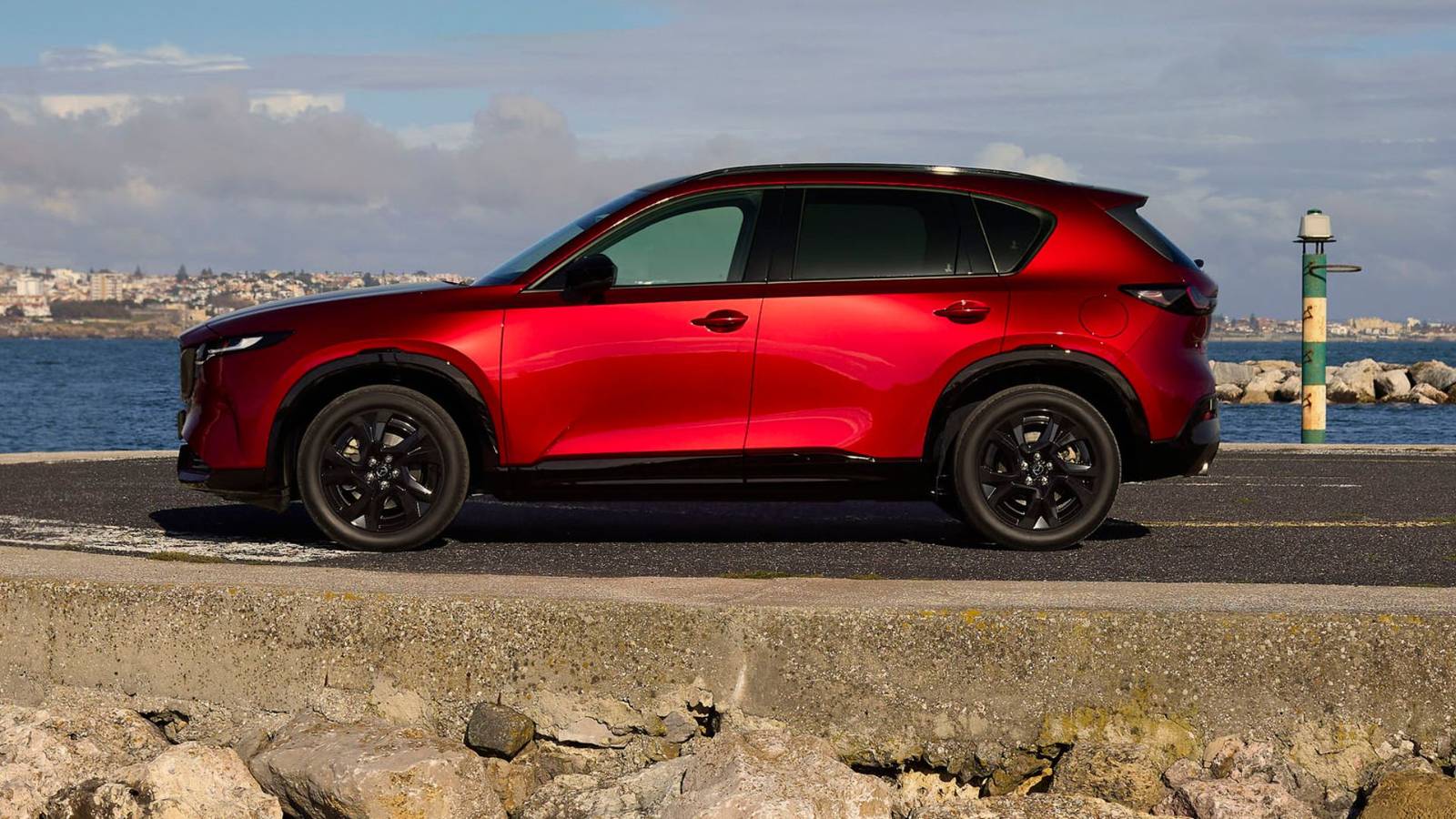
Why the 2026 Mazda CX-5 Is a Smarter Alternative to German Luxury SUVs
The End of the “Badge Tax”: Why Practicality is the New Luxury
For decades, the automotive industry operated on a simple premise: if you wanted a premium experience, you paid the “badge tax.” You accepted higher depreciation, complex turbocharged engines, and the looming threat of four-figure repair bills in exchange for prestige. But the tide is turning. As vehicle ownership costs reach historic highs, a growing segment of buyers is pivoting away from traditional European luxury, favoring a “smart-money” approach to vehicle selection.
We are witnessing a shift where reliability, depreciation curves, and cabin ergonomics are becoming the new status symbols. The Mazda CX-5 has emerged as the poster child for this movement, proving that you don’t need a premium emblem to enjoy a premium lifestyle.
The Shift: Engineering for Longevity Over Complexity
The obsession with squeezing maximum horsepower out of tiny, turbocharged engines has created a reliability crisis in the luxury segment. These engines run hotter and under significantly more pressure, leading to premature wear on cooling systems, seals, and gaskets. By contrast, Mazda has doubled down on naturally aspirated powertrains paired with traditional six-speed automatic transmissions.
Data from iSeeCars suggests that vehicles with simpler, naturally aspirated powertrains consistently outperform their turbocharged counterparts in long-term reliability scores, often saving owners thousands in out-of-warranty repairs.
The Economics of Ownership: Why Depreciation Matters
When you look past the showroom shine, the true cost of a car is determined by its resale value. According to recent market analysis, luxury stalwarts like the BMW X5 can lose upwards of 56% of their value within five years. Meanwhile, brands focusing on “attainable luxury” like Mazda are seeing depreciation rates hover closer to the 40% mark.
- Predictable Maintenance: Lower complexity means fewer hours at the dealership service bay.
- Resale Demand: Used car buyers are increasingly prioritizing proven, long-term durability over bleeding-edge, high-maintenance tech.
- Insurance Costs: Repairing a complex, sensor-heavy luxury SUV is significantly more expensive than servicing a mainstream crossover, leading to lower premiums for the latter.
Closing the Gap: Space, Tech, and the “Premium” Feel
The primary reason buyers previously fled to brands like Mercedes-Benz or Audi was for the interior volume and technological integration. However, the latest redesigns—such as the 2026 CX-5—have effectively erased that advantage. With increased rear legroom and integrated Google-powered infotainment systems, the “compromise” of buying non-luxury is vanishing.
When shopping for your next vehicle, don’t just look at the monthly payment. Calculate the “Total Cost of Ownership” (TCO) over 60 months, including estimated depreciation and the average cost of non-warranty repairs for that specific model year.
Future Trends: The Rise of “Rational Luxury”
Looking ahead, the market is poised to favor “rational luxury.” We expect to see a sustained decline in the demand for over-engineered European crossovers, replaced by a surge in vehicles that prioritize:

- Tactile Quality: High-quality materials (leather, soft-touch plastics) rather than screens-for-the-sake-of-screens.
- Conservative Engineering: A return to proven, reliable mechanical components that prioritize longevity.
- Intuitive Tech: Systems that minimize driver distraction rather than adding layers of complexity.
Frequently Asked Questions
- Is a non-luxury SUV really as comfortable as a German luxury brand?
- In many cases, yes. Modern mainstream crossovers have focused heavily on NVH (Noise, Vibration, and Harshness) reduction, reaching parity with many entry-level luxury models.
- Does buying a mainstream brand hurt my resale value?
- Actually, it’s often the opposite. High-volume, reliable vehicles often depreciate slower than expensive luxury cars that carry high repair costs as they age.
- Why are turbocharged engines considered less reliable?
- They introduce more heat, more moving parts, and higher internal pressure, all of which provide more points of failure compared to a naturally aspirated engine.
Are you considering making the switch from a luxury badge to a more practical, reliable daily driver? Join the conversation in the comments below or subscribe to our newsletter for deep dives into automotive ownership trends.