
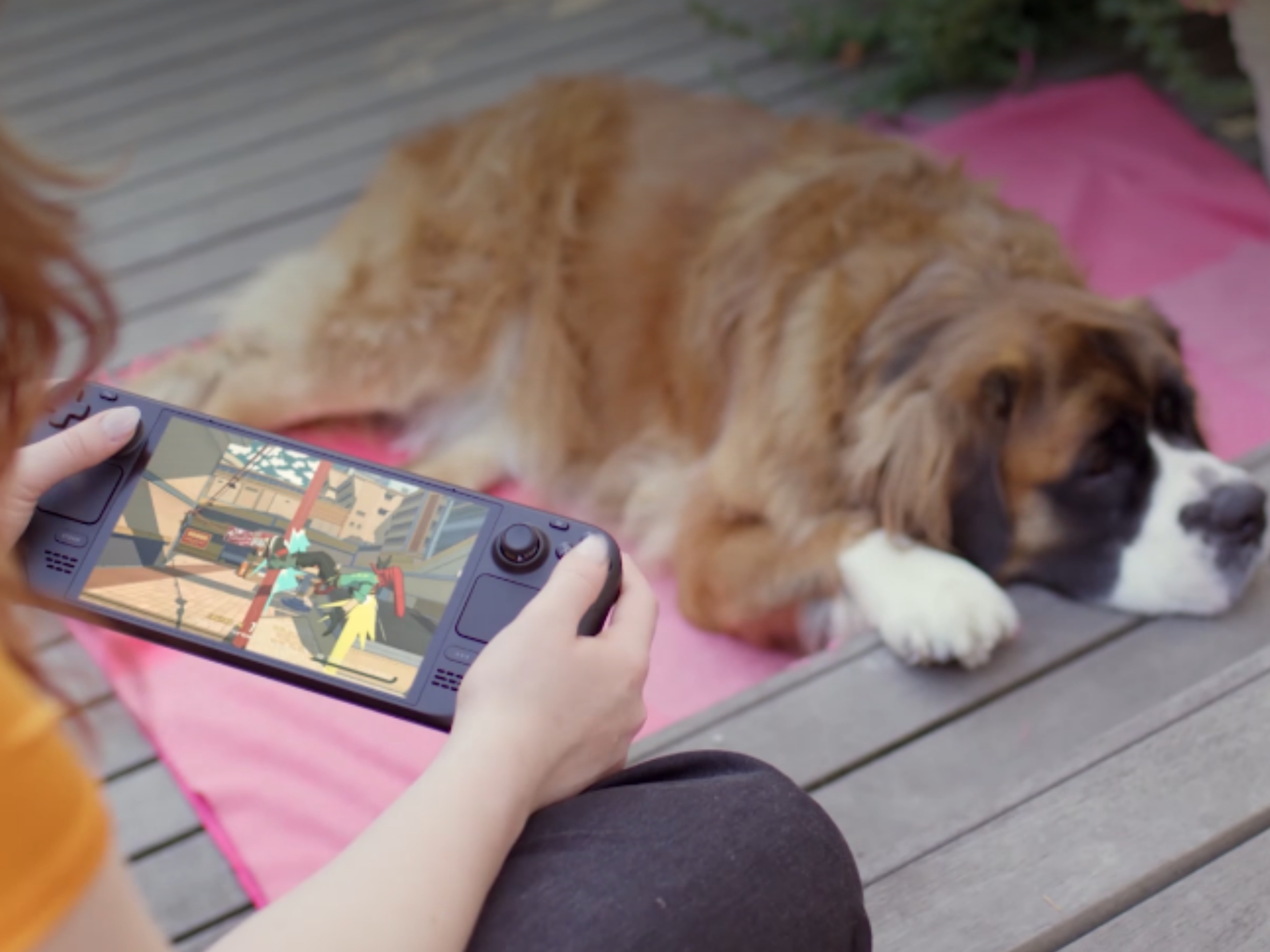
Why the Steam Deck OLED Remains Popular Despite Its Higher Price
The Steam Deck Paradox: Why Price Isn’t the Only Metric That Matters
In the world of handheld gaming PCs, the math rarely seems to add up. When Valve’s Steam Deck OLED saw a significant price jump—pushing it near the $790 mark—many industry analysts predicted a cooling off. Yet, the device continues to fly off the shelves. Why are gamers flocking to a machine that, on paper, is being outperformed by cheaper rivals like the Lenovo Legion Go and the ASUS ROG Ally?

The answer lies in a shift in consumer behavior. We are moving away from the “spec-sheet wars” of the early 2000s and into an era defined by ecosystem, user experience, and long-term software support.
The “It Just Works” Factor: The Power of Ecosystem
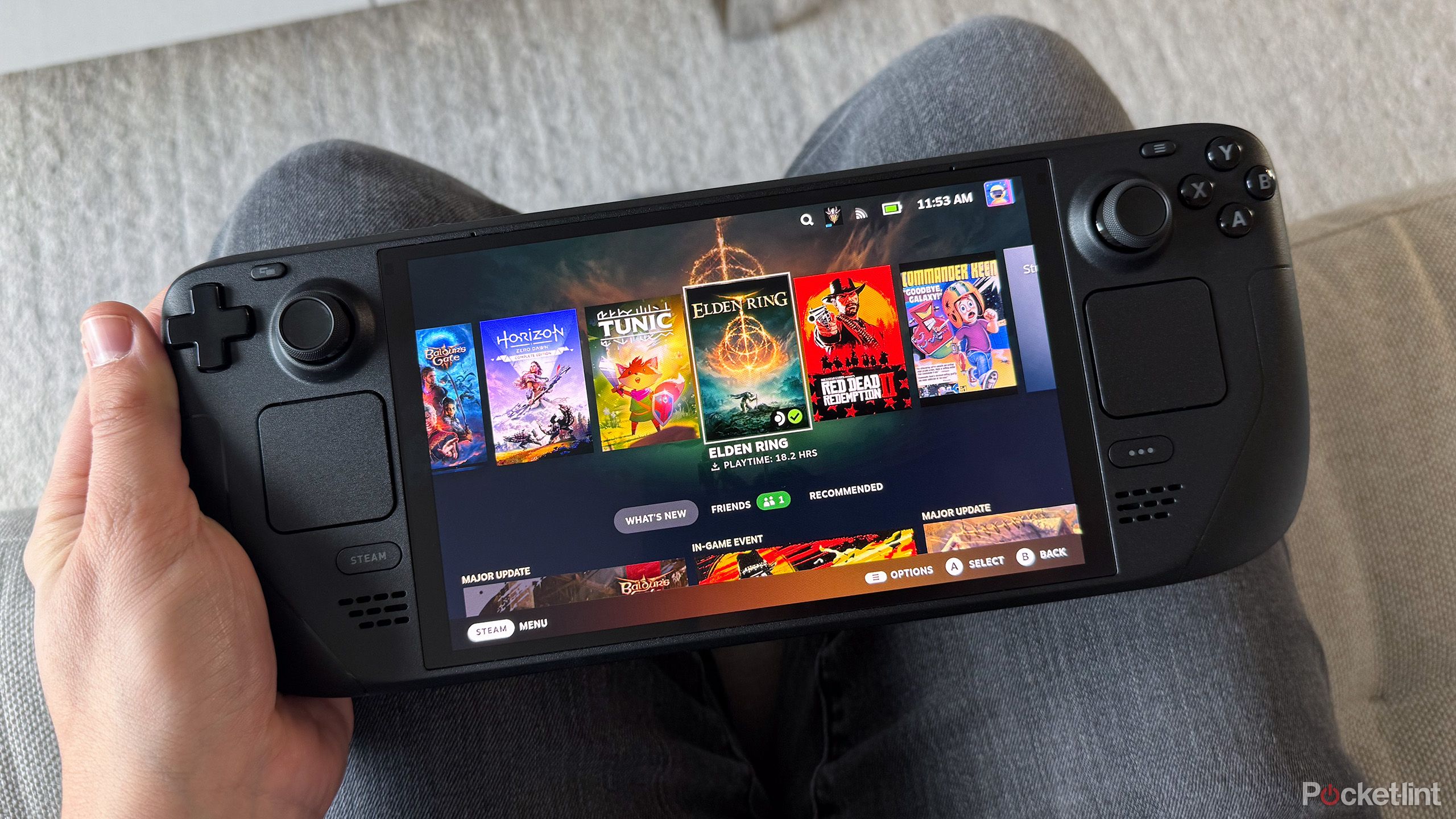
For most users, the appeal of the Steam Deck isn’t about running a benchmark test; it’s about the friction-free experience. When you buy a console, you expect to log in and play. Valve has mastered this with SteamOS.
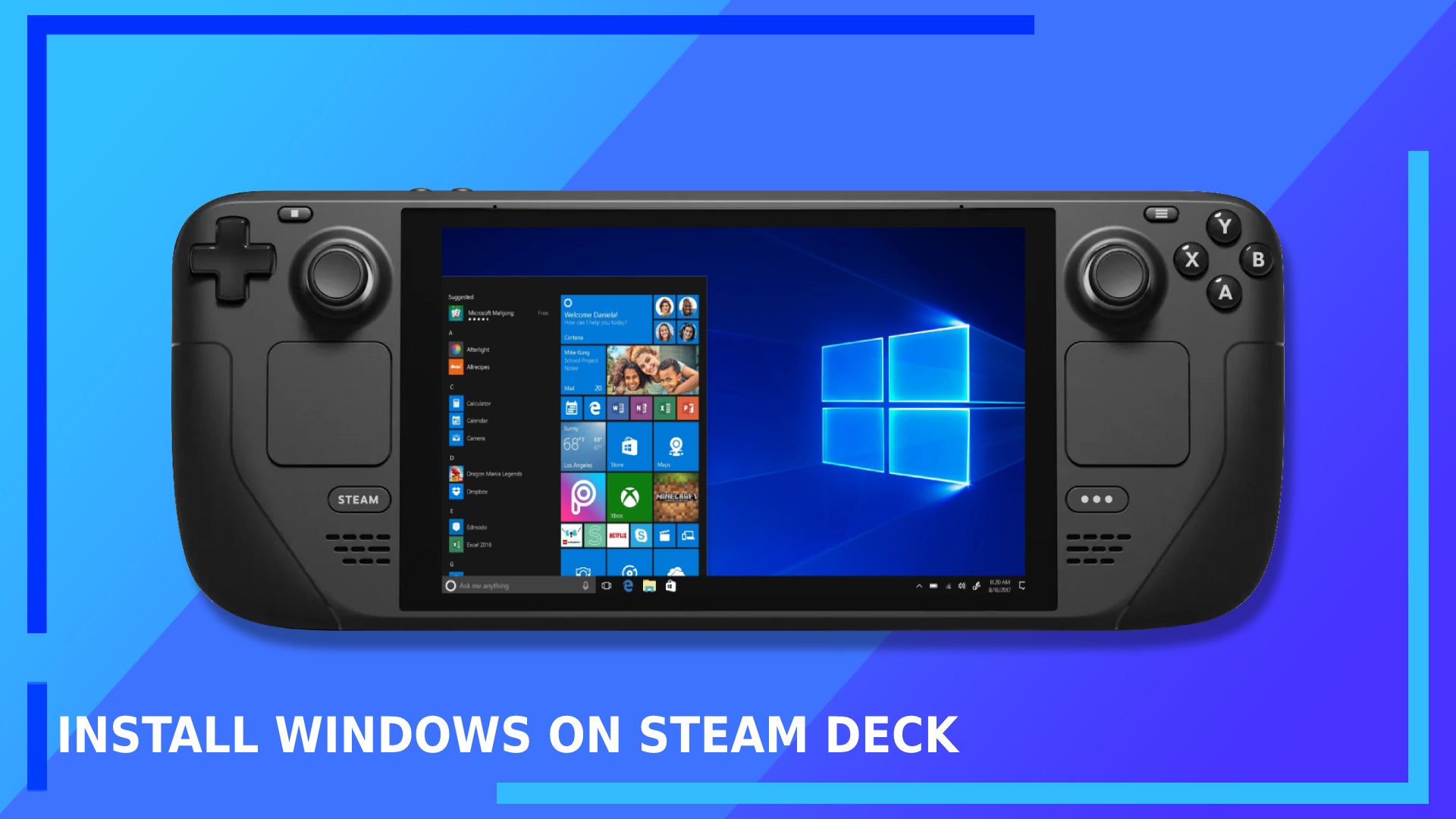
While competitors struggle with the clunkiness of Windows on a small touch screen, Valve provides a console-like interface that feels native. For gamers with existing Steam libraries, the transition is instantaneous. This “convenience premium” is something users are clearly willing to pay for, even when the hardware price increases.
Beyond Raw Power: Why Features Outweigh Specs
The debate on Reddit and across gaming forums highlights that “power” is a multifaceted concept. If a device has a 165Hz screen but a battery that dies in 60 minutes, is it truly “better”?
- OLED Fidelity: The vibrant contrast and deep blacks of the OLED panel provide a visual impact that raw resolution cannot replicate.
- Trackpad Utility: The inclusion of dual trackpads is a masterstroke often overlooked by competitors. They allow for precise mouse-like input, making strategy games (RTS) and management sims actually playable on a handheld.
- Ergonomics and Audio: Valve’s focus on weight distribution and speaker quality creates a premium feel that often feels lacking in budget-tier competitors.
The Future of Handheld Gaming: Where Are We Heading?
The industry is at a crossroads. As manufacturers try to undercut each other, the market is becoming saturated with “Windows handhelds” that feel like experimental prototypes. The future of this sector likely belongs to companies that can bridge the gap between open-platform PC gaming and the curated simplicity of a console.
We expect to see a move toward software-defined hardware. The winners of the next five years won’t necessarily be the ones with the fastest chip, but the ones with the most intuitive UI and the most robust community support.
Frequently Asked Questions
- Is the Steam Deck still worth it if it’s more expensive than the ROG Ally?
- If you value a seamless, console-like software experience and long-term support, yes. If you need maximum raw performance for specific Windows-only titles, you might prefer a competitor.
- Why do people say the Steam Deck is “dead” despite its popularity?
- Critics argue that as the price rises, the value-for-money proposition weakens. However, popularity remains high because value is subjective—many users prioritize the Steam ecosystem over raw specs.
- Are trackpads really necessary on a handheld?
- For modern AAA games, maybe not. But for PC staples like Civilization, Total War, or even navigating desktop menus, they are a game-changer that most competitors lack.
What do you think? Is the Steam Deck’s ecosystem worth the price hike, or are you looking toward the next generation of Windows handhelds? Let us know in the comments below, or subscribe to our weekly newsletter for more deep dives into the gaming hardware landscape.