
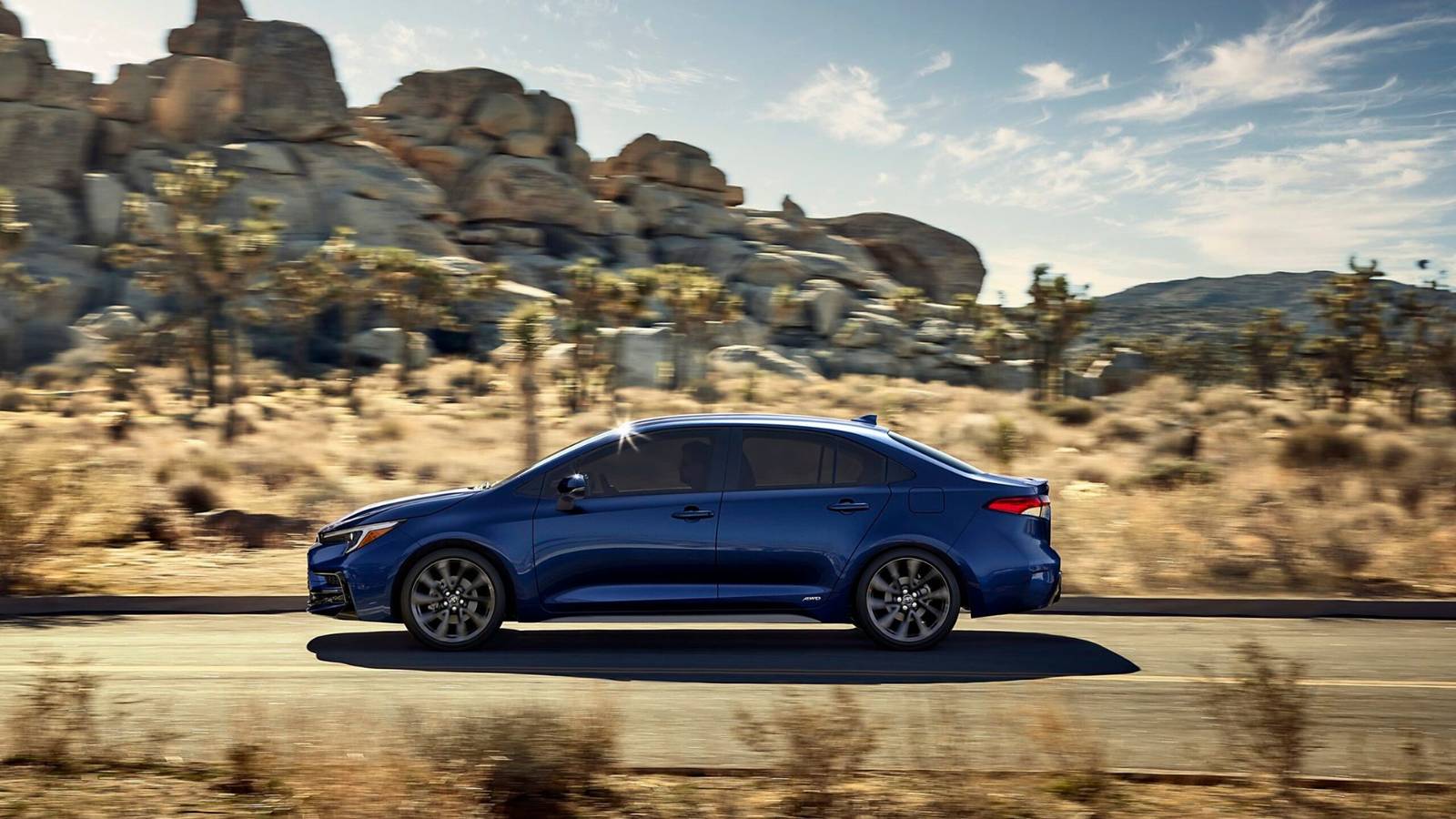
Why the Toyota Corolla Hybrid Is a Smart and Fuel-Efficient Choice
Hybrid vehicles have evolved from niche economy cars into a dominant force in the U.S. automotive market, with electrified models accounting for more than 50% of Toyota’s domestic sales in early 2026. Drivers are increasingly choosing hybrids over traditional gas-powered vehicles to gain superior fuel efficiency and lower emissions without the range anxiety or infrastructure requirements associated with full battery-electric vehicles (BEVs), according to industry sales data.
Why are hybrid cars gaining mainstream popularity?
The transition toward hybrids is driven by a consumer desire for lower fuel costs without the lifestyle changes required by EVs. Unlike the early 2000s, when hybrid technology was often criticized for sluggish performance, modern engineering has integrated lighter components and smarter electronics. According to Toyota, this evolution has resulted in vehicles that are quicker and more refined. By avoiding the need for public charging infrastructure, hybrids allow drivers to maintain traditional fueling habits while achieving significant gains in fuel economy.

The average new vehicle owner can expect to save approximately $5,250 in fuel costs over five years by switching to a hybrid, based on EPA fuel economy estimates.
How does the Toyota Corolla Hybrid maintain its efficiency edge?
The Corolla Hybrid remains a benchmark for fuel economy in the compact sedan segment. According to the EPA, the front-wheel-drive (FWD) LE trim achieves an EPA-rated 53 mpg in the city and 46 mpg on the highway. While opting for the all-wheel-drive (AWD) model offers better traction, it comes with a slight efficiency penalty, dropping the rating to 44 mpg combined. Every model utilizes a 0.9-kWh nickel-metal hydride battery, a system that has become synonymous with long-term reliability in the automotive industry.

Comparison: FWD vs. AWD Efficiency
| Drivetrain | Combined MPG | Est. Driving Range |
|---|---|---|
| Front-Wheel Drive | 50 | 565 miles |
| All-Wheel Drive | 44 | 497 miles |
What are the long-term ownership costs of a hybrid?
Beyond fuel savings, the Corolla Hybrid benefits from lower-than-average maintenance requirements. RepairPal estimates annual maintenance costs for the Corolla at roughly $362, significantly lower than the $526 average for compact cars. Kelley Blue Book notes that servicing hybrid components remains comparable to standard internal combustion engines, preventing the “hybrid premium” often feared by first-time buyers. Furthermore, Toyota provides a 10-year/150,000-mile warranty on the hybrid battery, which mitigates concerns regarding long-term component failure.
Check your local dealership for ToyotaCare, which covers factory-scheduled maintenance for the first two years or 25,000 miles, effectively eliminating early ownership service costs.
How do reliability ratings impact resale value?
The Corolla maintains a strong reputation for durability, which directly supports its resale value. According to iSeeCars, the Corolla has a 17.5% probability of reaching 200,000 miles, with an average lifespan of 11.4 years. J.D. Power gives the model an 81 out of 100 for quality and reliability. These metrics suggest that the hybrid powertrain does not compromise the vehicle’s inherent longevity, providing a stable investment for cost-conscious buyers.

Frequently Asked Questions
- Do I need to plug in a Corolla Hybrid? No. The Corolla Hybrid is a self-charging vehicle that uses regenerative braking and the gasoline engine to keep the battery charged.
- Is the hybrid battery expensive to replace? Toyota backs the battery with a 10-year/150,000-mile warranty, and long-term maintenance data from Kelley Blue Book indicates that servicing costs are similar to non-hybrid models.
- How does the Corolla Hybrid compare to the Civic Hybrid? While both are efficient, the Corolla Hybrid is often cited for its lower entry price and extensive track record for reliability, making it a frequent point of comparison for value-focused shoppers.
Are you considering making the switch to a hybrid for your next vehicle? Share your thoughts in the comments below or subscribe to our newsletter for the latest automotive industry updates and ownership tips.