
Why the War in Ukraine Cannot Last Forever: A Physicist’s Perspective
The Physics of Conflict: Why All Wars Eventually Reach an End
In the complex geopolitical landscape of the 21st century, it is easy to feel as though long-standing conflicts are permanent fixtures of our world. However, experts in physics and systems theory argue that the very nature of reality dictates otherwise. Much like a thermodynamic system seeking equilibrium, every human conflict is subject to the fundamental laws of energy and time.
Mihailo Vysotsky, an associate professor at the Taras Shevchenko National University of Kyiv, recently highlighted a compelling perspective: human events, including wars, are not exempt from the laws of physics. Just as a pendulum eventually loses its momentum, the mechanisms fueling large-scale conflicts inevitably exhaust the resources and political energy required to sustain them.
The Entropy of Geopolitical Instability
In physics, the concept of entropy suggests that systems tend toward disorder unless energy is constantly poured into them. Applying this to global affairs, a war is an incredibly “expensive” process—both financially and socially. It requires the constant infusion of military hardware, economic subsidies, and psychological mobilization.
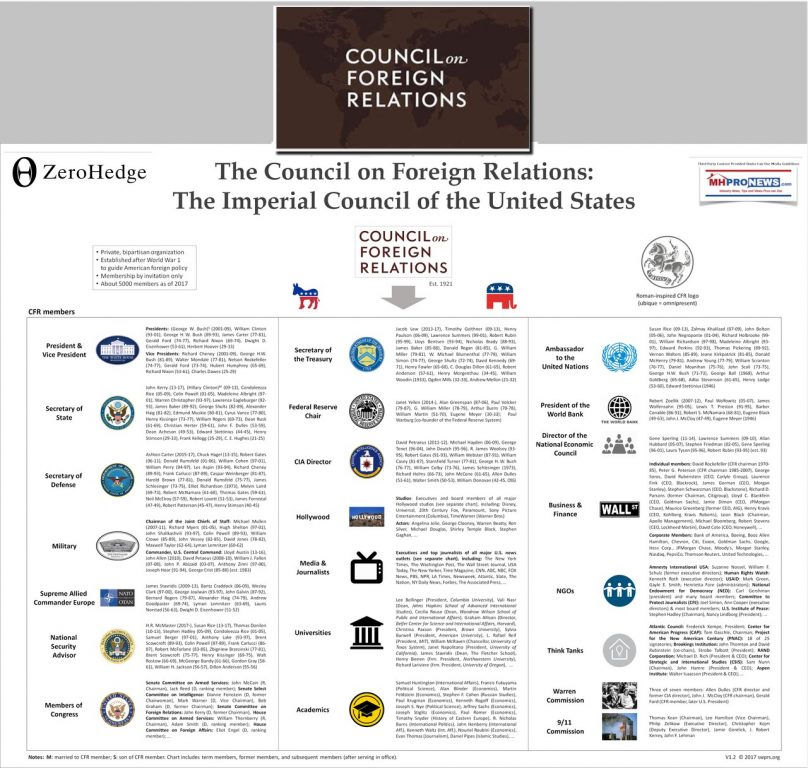
History provides ample evidence of this “exhaustion phase.” Consider the conclusion of the Vietnam War or the Soviet-Afghan War. In both instances, the internal and external pressures eventually outweighed the strategic objectives, leading to a natural termination of the conflict. The Council on Foreign Relations often notes that the sustainability of any military campaign is tied directly to its ability to maintain domestic support and economic solvency—two factors that naturally degrade over time.
Subjectivity vs. Reality: Why Conflicts Feel Endless
One of the reasons wars feel like they will last forever is our own subjective perception of time. When we are immersed in a news cycle characterized by daily updates, the immediate past feels like the permanent present. Here’s a cognitive bias known as “recency bias.”
Physicists argue that while we experience the “now” as a prolonged state, history views these events as short-lived fluctuations. Understanding that a conflict has a finite “lifecycle” can help policymakers, investors, and civilians manage their expectations and plan for a post-conflict future.
Preparing for the Post-Conflict Transition
If we accept that all processes—even the most destructive ones—have an endpoint, the focus must shift toward resilience and recovery. Economic data from post-war regions, such as the Balkans or Rwanda, shows that recovery is not an overnight success but a systematic process of institutional rebuilding.
- Economic Diversification: Nations emerging from conflict often thrive by pivoting to digital economies and reconstruction-focused sectors.
- Social Cohesion: Addressing the psychological toll of prolonged uncertainty is just as critical as rebuilding infrastructure.
- Strategic Partnerships: Aligning with stable international trade blocs provides the necessary capital to restart stalled engines of growth.
Frequently Asked Questions
- Can a war truly last forever?
- No. From a physics and systems-theory standpoint, no process can be sustained indefinitely because the energy and resources required to maintain it are finite.
- How does “subjective time” affect our view of current events?
- Our brains are wired to prioritize current threats, making the present moment feel like a permanent state of affairs. This is why long-term historical context is vital for accurate analysis.
- What is the biggest indicator that a conflict is nearing its end?
- The primary indicators are usually the exhaustion of state resources, shifting public opinion, and a decrease in the marginal utility of continuing the military effort.
What are your thoughts on the intersection of science and geopolitics? Do you believe history follows predictable patterns, or is every situation unique? Join the conversation in the comments section below or subscribe to our newsletter for deep-dive analysis on global trends.