

Why Trusted Data Is Essential for Successful AI-Driven IT Automation
AI automation in IT often fails because 34% of organizations still track assets using spreadsheets, according to Ivanti research. Mareike Fondufe, Ivanti’s senior director of solutions marketing for endpoint management, states that deploying AI on disconnected or contradictory data increases security risks and creates critical visibility gaps.
Why does poor data quality break AI automation?
AI cannot resolve underlying data inconsistencies; instead, it amplifies them. When IT departments deploy automation over disconnected logs, telemetry, and documents, they scale existing errors across their entire workflow. This often forces teams to pause automation efforts entirely due to a lack of trust in the output.
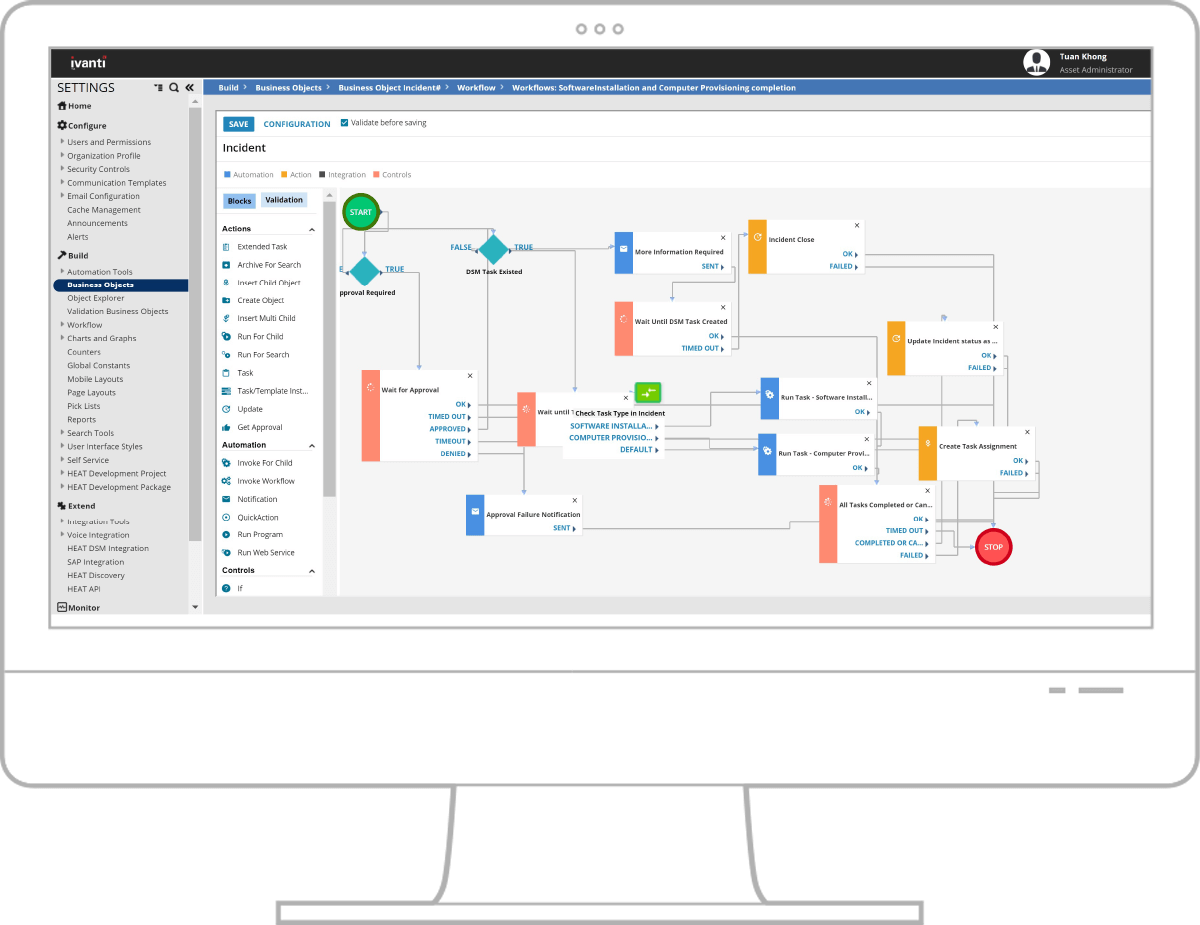
According to Fondufe, AI lacking trusted data increases operational and security risks. These include zero-day exposure on unpatched endpoints that fall outside of visibility and regulatory non-compliance for assets that remain outside the audit scope.
What happens when IT visibility is incomplete?
Hidden gaps in infrastructure lead to security vulnerabilities. In one Ivanti assessment, a customer discovered they possessed 30% more devices than leadership realized. This lack of visibility meant the organization could not confidently automate tasks or even identify which servers supported critical services during an outage, Fondufe noted.
Fragmentation often occurs because ownership is split across different teams. This prevents the creation of a single source of truth, leaving IT teams in a reactive support model where they spend time chasing the causes of “blue screens” rather than preventing them.
How does Autonomous Endpoint Management (AEM) improve efficiency?
Shifting from a tool-driven to a data-driven model allows organizations to use automation for detection and remediation. Ivanti reported that by acting as “Customer Zero” for its own Autonomous Endpoint Management strategy, the company reclaimed nearly 56,000 employee hours per year, primarily through simplified compliance reporting.

A healthcare organization saw similar results after modernizing fragmented operations to establish a trusted system of record. This transition led to decreased ticket volumes and higher IT job satisfaction, according to Ivanti data.
Comparing Reactive vs. Data-Driven IT Models
| Reactive Model | Data-Driven (AEM) Model |
|---|---|
| Relies on spreadsheets and silos | Unified data foundation |
| Chases “blue screen” events | Automated detection and remediation |
| Hidden asset gaps (up to 30%) | Full infrastructure visibility |
Frequently Asked Questions
What is the primary barrier to AI adoption in IT operations?
The primary barrier is disconnected and contradictory data sources. According to Ivanti, 34% of organizations still use spreadsheets, which prevents AI from having a trusted foundation to automate tasks.
Can AI fix incorrect IT asset data?
No. Mareike Fondufe states that AI can actually amplify underlying data quality issues, scaling errors across systems rather than resolving them.
What are the specific risks of using AI with untrusted data?
Risks include zero-day exposure on unpatched endpoints and regulatory non-compliance due to assets falling outside the audit scope.
How is your organization handling the transition to AI automation? Are you still relying on manual spreadsheets for asset tracking? Let us know in the comments or subscribe to our newsletter for more IT infrastructure insights.