

Wildfire Disrupts Madrid-Barcelona High-Speed Rail Service
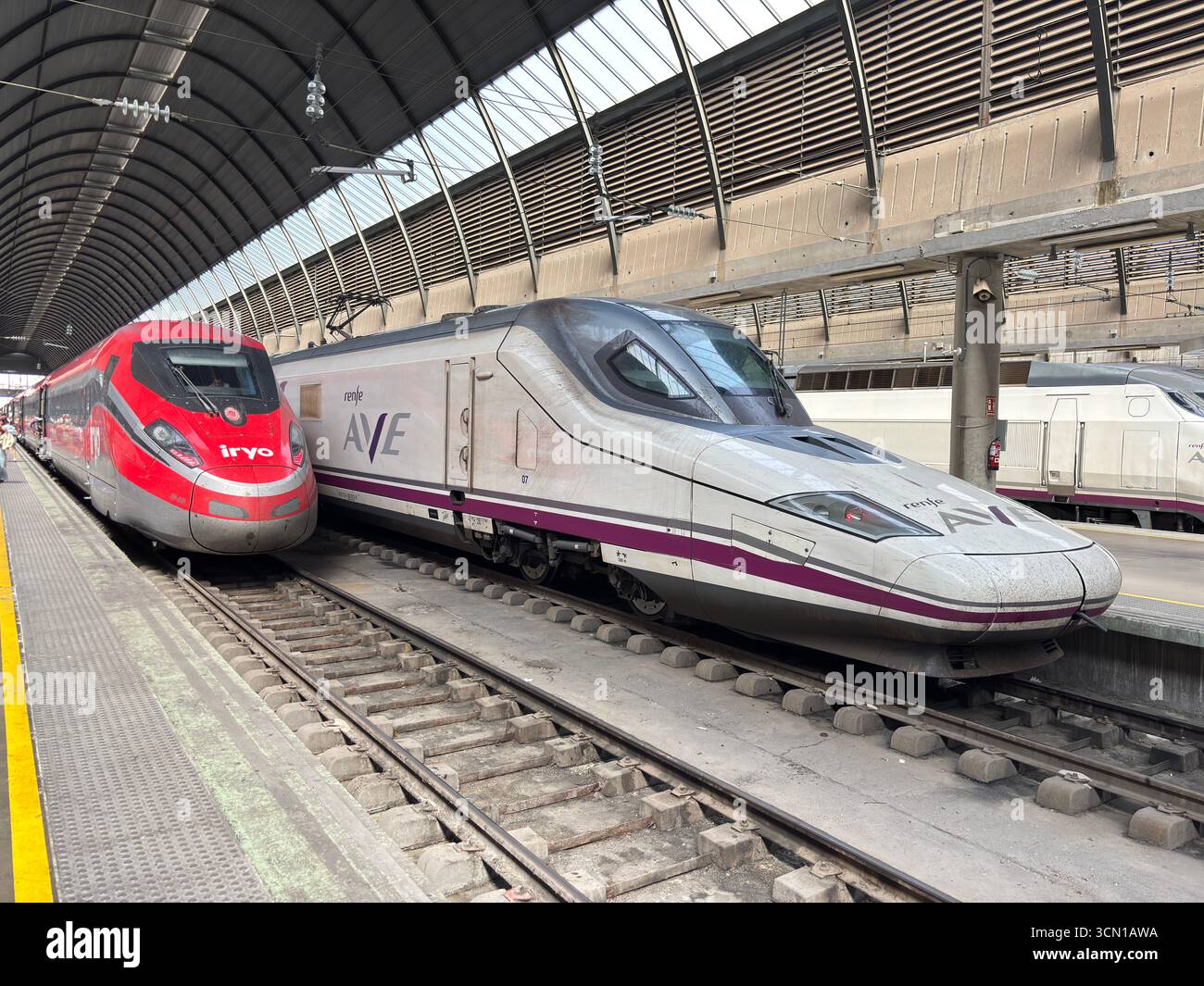
A wildfire in Catalonia disrupted high-speed rail services between Madrid and Barcelona on June 18, according to rail operator Adif. The blaze, located between Les Borges Blanques and L’Espluga de Francoli, forced Renfe to suspend trains between Lleida-Pirineus and Camp de Tarragona as Spain enters its first seasonal heatwave.
Why are wildfires disrupting Spain’s high-speed rail?
Firefighters requested the suspension of rail services to manage a blaze breaking out close to the tracks in northeastern Spain. According to both Adif and Renfe, the disruption specifically impacted the stretch between the Lleida-Pirineus and Camp de Tarragona stations.
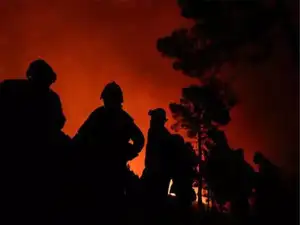
These interruptions happen when fire proximity threatens infrastructure or prevents emergency crews from accessing the terrain safely. The specific location of this fire—between Les Borges Blanques and L’Espluga de Francoli—placed it directly in the path of one of the country’s most critical transit corridors.
What does the current weather forecast predict for Spain?
The national weather service warns that temperatures will rise starting Saturday, with a sharper increase on Sunday. This heatwave is expected to hit Galicia and the Cantabrian coast in the north and northwest particularly hard.

According to the agency, temperatures in inland valleys could exceed 36-38°C (97-100°F). The east is expected to reach 40°C, while the peak of the heatwave will likely occur on Monday. The agency noted that dry storms with very little precipitation are driving the increased fire danger.
Expected Temperature Peaks
- Inland Valleys: 36-38°C
- Eastern Regions: 40°C
- Ebro Valley/River Basins: 38-40°C (locally hitting 42°C on Monday)
How does this compare to previous climate records?
This current volatility follows a record-breaking period. Last summer, Spain and Portugal endured a 16-day heatwave that was the most intense on record, which scientists say helped stoke devastating forest blazes. Scientists attribute the increasing frequency of these extreme weather events to human-caused climate change.
The contrast between typical seasonal transitions and these abrupt, high-intensity heatwaves shows a pattern of increasing instability. While the duration of the current heatwave remains uncertain, the risk of fire is forecast to rise sharply starting Sunday, particularly across northern interior zones.
What are the long-term implications for transport infrastructure?
Repeated disruptions to high-speed rail lines suggest a need for increased infrastructure resilience. When wildfires force the suspension of service between major hubs like Madrid and Barcelona, it impacts not just passengers but the broader logistics of the region.
The reliance on “dry storms”—storms that produce lightning but little rain—creates a volatile environment where fires can start rapidly in multiple locations. This makes the protection of rail corridors a priority for agencies like infrastructure security teams.
Frequently Asked Questions
Services were suspended between the Lleida-Pirineus and Camp de Tarragona stations.
According to the national weather service, the peak is likely to occur on Monday.
The risk is driven by rising temperatures and dry storms that provide ignition sources with little precipitation to dampen the land.
Want to stay updated on climate-related travel disruptions? Leave a comment below with your experience or subscribe to our newsletter for the latest infrastructure and weather reports.