
Will the Iran ceasefire ease this summer’s aviation squeeze?
The United States and Iran have reached a framework agreement to end a four-month conflict and reopen the Strait of Hormuz, causing an immediate drop in global crude prices to approximately $83 a barrel. While the deal, confirmed by Iran’s Supreme National Security Council, marks a significant geopolitical shift, industry experts warn that the transition from a diplomatic agreement to stabilized jet fuel supplies will take weeks or even months to manifest for airlines and passengers.
The closure of the Strait of Hormuz in February triggered what the International Energy Agency described as the largest oil supply disruption in history, effectively cutting off roughly one-fifth of the world’s daily oil and liquefied natural gas supply.
Why the Ceasefire Does Not Immediately Lower Fares
The primary obstacle to immediate relief is the physical damage sustained by refining infrastructure across the Middle East throughout the war. According to International Air Transport Association (IATA) director general Willie Walsh, rebuilding the supply chain is a time-intensive process that cannot be resolved by a signature on a document. Even as crude begins to flow again, it must be refined into jet fuel and transported to airports, a logistical hurdle that persists despite the ceasefire.

The aviation industry faces a structural lag between market trends and consumer pricing. Because airlines use sophisticated systems that reprice seats thousands of times daily based on fuel costs, the decrease in pump prices will likely be passed on to passengers much more slowly than the initial price hikes were. Carriers, having suffered through a financially punishing spring, have a clear incentive to maintain elevated ticket prices to recover losses as long as passenger demand remains robust.
The Impact on Summer Travel and Airline Margins
Aviation operates on a strict seasonal rhythm, with carriers relying on peak summer traffic to offset winter losses. Current data shows that global passenger bookings for travel between June and September have risen by approximately 6% compared to the previous year, demonstrating that consumer demand has remained resilient despite the crisis. However, IATA has revised its 2026 global airline profit forecast downward to $23 billion, a significant drop from the earlier $41 billion projection, citing an expected average jet fuel price of $152 a barrel for the year.

The impact of the fuel crisis has been uneven across the sector. Heavily hedged airlines, such as Ryanair and IAG, have maintained better stability than unhedged competitors like SAS, which was forced to cut a thousand flights. While short-haul carriers have attempted to pass some fuel costs to passengers, the intense competition in the budget sector limits their ability to raise prices further without risking a decline in bookings.
What May Happen Next
Analysts anticipate that the industry will remain cautious until the stability of the region is proven. The agreement faces potential political instability, as Israel has not endorsed the deal and its far-right ministers have stated they are not bound by it. Furthermore, the history of the conflict involved multiple instances where deadlines were set and subsequently delayed by U.S. President Donald Trump, leading many in the market to prioritize tangible supply chain recovery over diplomatic announcements.
Frequently Asked Questions
Will flight prices drop immediately because of the ceasefire?
Unlikely. Airline pricing systems are slow to reflect lower costs, and carriers are currently focused on recovering losses from earlier in the year. Passengers should not expect immediate reductions in August airfares.
Why is jet fuel still expensive if crude oil prices are falling?
The war damaged critical refining capacity throughout the Middle East. Even with the Strait of Hormuz open, the actual conversion of crude oil into jet fuel and its distribution to airports remains a bottleneck that will take months to normalize.
How did the war affect flight availability?
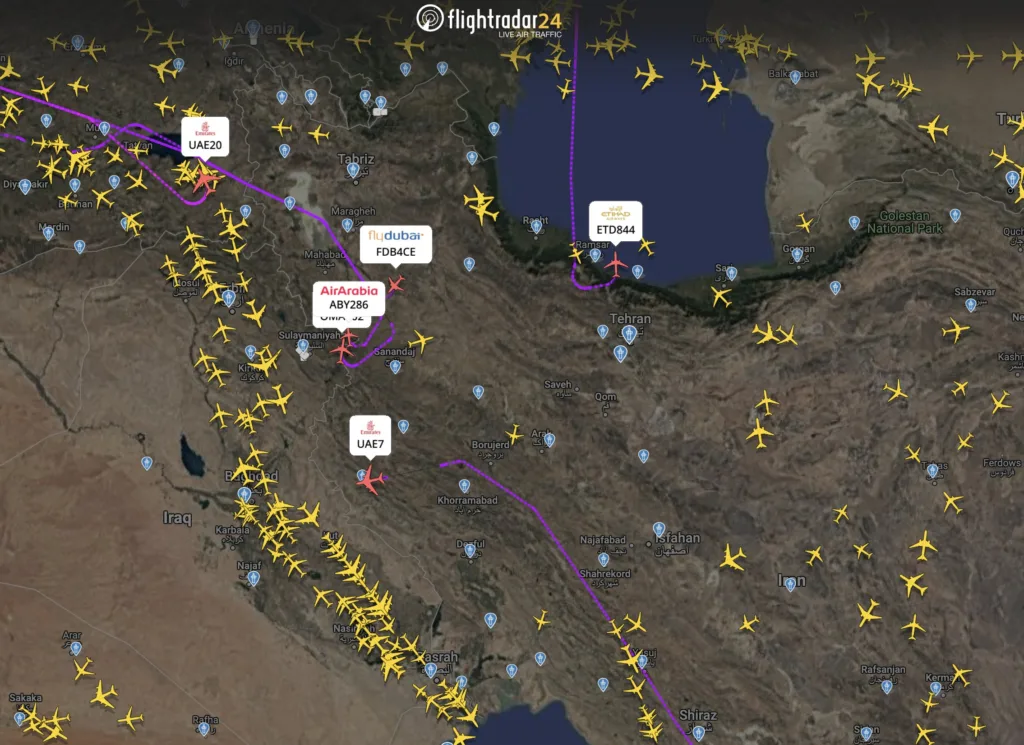
Beyond the increase in fuel costs, the conflict forced carriers to adopt longer, fuel-intensive detour routes and created safety concerns due to satellite-navigation jamming. These factors contributed to the first year-on-year decline in European flights since 2021 during the month of April.
How do you think the current volatility in global energy markets will change the way you plan your future travel arrangements?