
Winter Virus Prevention: Essential Symptoms and Safety Tips
The Government of Chubut, acting through the provincial Health Secretary, has issued an urgent call for the community to reinforce daily prevention measures. This initiative comes in response to an increase in the circulation of viruses typically seen during the autumn and winter seasons.
recognising Symptoms and Taking Action
Authorities advise the public to monitor for symptoms such as high fever, headache, cough, nasal congestion, and muscle pain. In children, these symptoms may also be accompanied by nausea, vomiting, and diarrhea.
If these symptoms appear, the primary recommendation is to rest at home until improvement occurs and to strictly avoid self-medicating.
To limit the spread, individuals are urged to avoid crowded areas, including workplaces, schools, and public transportation. Those experiencing symptoms should maintain distance from vulnerable populations, including pregnant women, people over 65, the immunocompromised, and children under 2 years old.
When to Seek Urgent Medical Care
Immediate assistance at the nearest health center or CAPS is necessary if a person experiences chest pain or difficulty breathing. In these instances, the Health Secretary requests that patients wear a mask covering both the nose and mouth.
Daily Prevention Habits
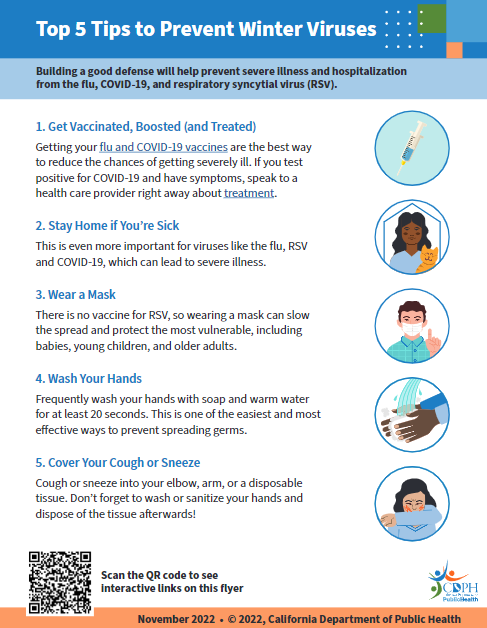
Simple behavioral changes can effectively break the chain of transmission. Frequent handwashing with soap and water and regular ventilation of indoor environments are highly recommended.
individuals should cover their mouths with the crook of their elbow when coughing or sneezing. To prevent direct contamination, the government advises against sharing glasses, cutlery, or mate.
For infants under 2 years of age, maintaining breastfeeding is encouraged as a preventive measure.
The Role of Vaccination
Vaccines remain the most effective tool for preventing severe clinical outcomes. The provincial health body is urging the population to verify and complete their immunization schedules.
Priority vaccines include the flu and pneumococcus shots for target populations, as well as the Respiratory Syncytial Virus (RSV) vaccine for pregnant individuals. The administration of COVID-19 booster doses is strongly encouraged.
Future Outlook
If the community adheres to these reinforced measures, the region may see a reduction in overall contagion rates. A possible next step could involve a decrease in severe complications among the most vulnerable sectors as vaccination rates increase.
Frequently Asked Questions
What should I do if I have a fever of 38°C or more?
You should rest at home until symptoms improve, avoid self-medicating, and stay away from crowded places like schools or public transport.
Who is considered part of the high-risk groups?
High-risk groups include children under 2 years old, pregnant women, individuals over 65, and those who are immunocompromised.
Which vaccinations are currently being prioritized?
The priority vaccines are the flu and pneumococcus vaccines for target groups, the RSV vaccine for pregnant people, and COVID-19 booster doses.
How do you typically adjust your health routines during the colder months to stay well?