
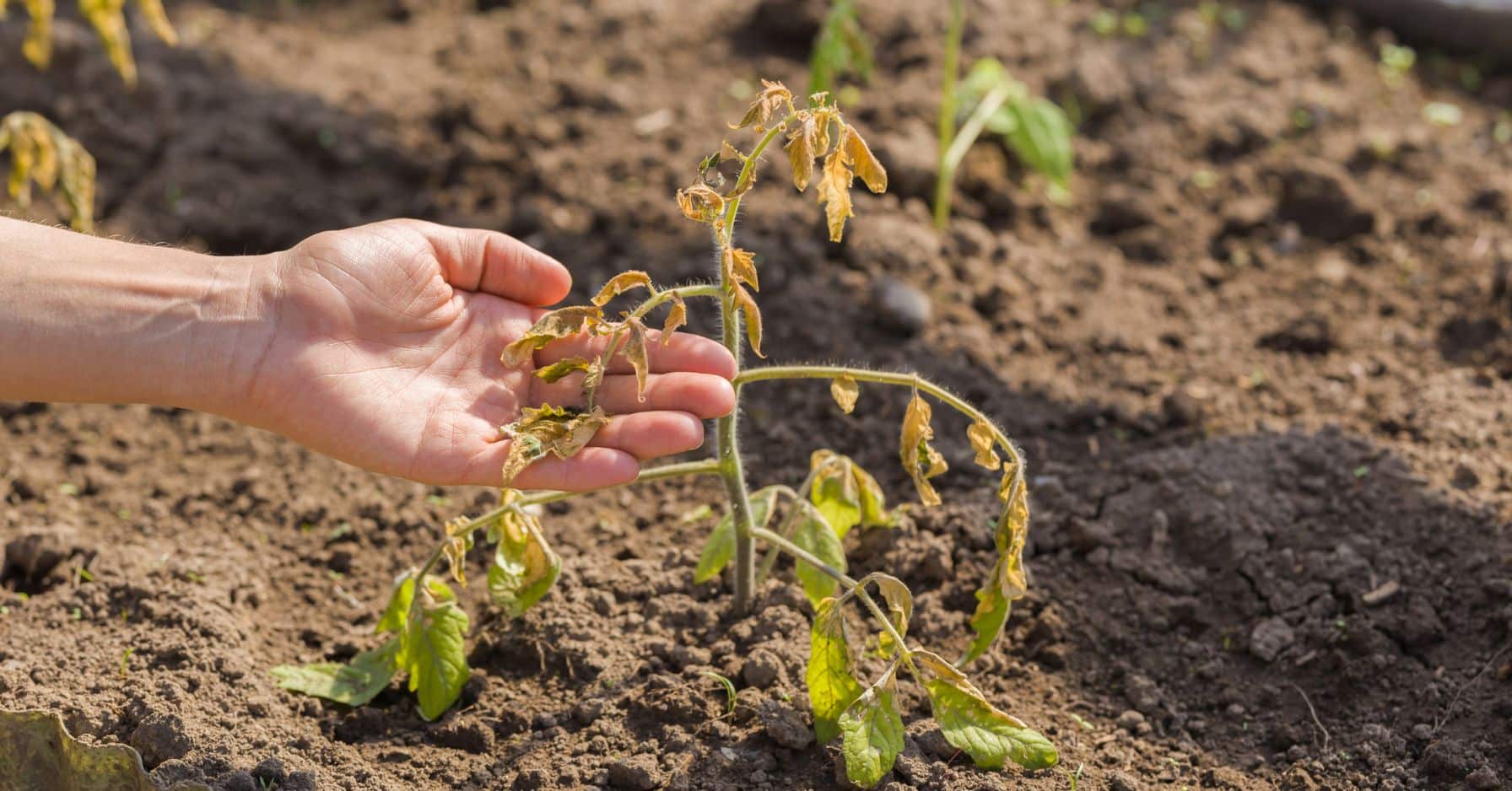
WMO Warns Global Temperatures May Breach 1.5°C Threshold by 2030
The Warming Horizon: Decoding the Next Wave of Global Temperature Surges
For years, we’ve talked about climate change in the future tense. But according to the latest data from the World Meteorological Organization (WMO), that future has arrived. We are no longer staring at a distant threat; we are navigating a new atmospheric reality.
The forecasts for the window between 2026 and 2030 are sobering. Global surface temperatures are projected to climb between 1.3°C and 1.9°C above pre-industrial levels (1850-1900). While a fraction of a degree might sound negligible to the average person, in planetary terms, it is the difference between a stable ecosystem and a chaotic one.
We’ve already seen the trend: the years from 2015 to 2025 stand as the eleven warmest on record. With 2024 currently holding the crown for the hottest year ever recorded, the momentum is clear. We aren’t just breaking records; we are shattering them.
The “Super El Niño” Threat: Why 2027 Could Be a Turning Point
To understand where we are headed, we have to talk about the El Niño-Southern Oscillation (ENSO). This coupled ocean-atmosphere phenomenon is one of the most powerful drivers of global weather variability.
During an El Niño phase, trade winds reverse, pushing warm surface waters toward the east across the Pacific. This releases massive amounts of heat into the atmosphere, leading to warmer, more humid air globally. Experts are now warning of a potential “Super El Niño” starting as early as July 2026, with peak effects hitting in December and extending into 2027.
The consequences of such an event are rarely subtle. We are looking at a heightened risk of:
- Extreme Heatwaves: Prolonged periods of lethal temperatures in urban centres.
- Intense Precipitation: Flash flooding in regions unprepared for sudden deluges.
- Severe Droughts: Agricultural collapse in regions that rely on predictable rainfall.
The 1.5°C Threshold: A Warning, Not a Cliff
The Paris Agreement set a goal to limit global warming to 1.5°C. Current projections suggest there is a 75% probability that the five-year average between 2026 and 2030 will exceed this critical limit.
It is important to clarify a common misconception: crossing 1.5°C once does not mean we have “failed” or that the world ends instantly. Rather, it signifies that we have entered a zone where extreme weather events—like the catastrophic floods seen recently in IPCC reports—become more frequent and more intense.
The Paradox of Warmer Winters and Melting “Water Towers”
One of the most counterintuitive trends of the current climate shift is the transformation of our winters. While we might think warmer winters are a blessing, they bring a host of hidden ecological dangers.
The Loss of Sanitary Frost: Many agricultural pests and pathogens are killed off by deep winter freezes. Without this “sanitary frost,” insect populations survive the winter in higher numbers, leading to more devastating crop infestations in the spring.
The Glacial Crisis: Glaciologists often refer to glaciers as the “water towers” of the planet. They store freshwater and release it slowly during dry seasons. As these glaciers melt at an accelerated pace, we risk a short-term increase in flooding followed by a long-term crisis of water scarcity for millions of people.
Will it be drier? Not necessarily.
While some areas face drought, others will see a surge in water. Forecasts indicate that high latitudes in the Northern Hemisphere will experience above-average precipitation over the next several winters. Southeast Europe, in particular, is expected to see prolonged, wet periods from November through March.
Is There Still Room for Hope?
Despite the alarming data, the narrative isn’t entirely bleak. There is a silver lining: it is extremely improbable (less than 1% chance) that the global average temperature will exceed 2°C in the immediate future.
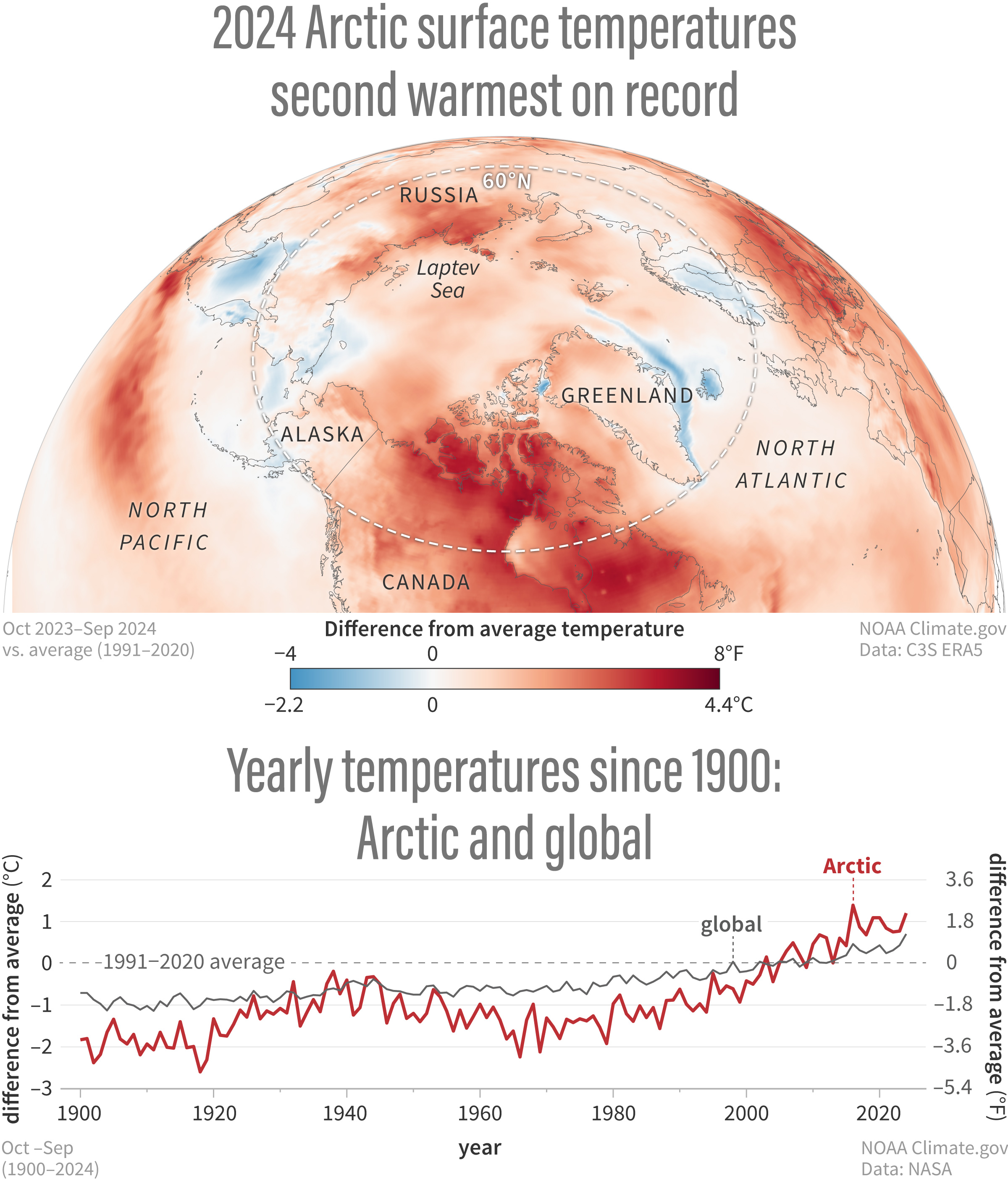
More importantly, the breach of the 1.5°C threshold is not irreversible. The climate system responds to the concentration of greenhouse gases. If nations aggressively organize to reduce emissions now, the temperature can stabilize and, over time, potentially decrease.
The current heatwaves affecting regions like France serve as a concrete reminder: the climate isn’t “changing” in some abstract sense—it has already changed. Our focus must now shift from mere observation to radical adaptation and mitigation.
Climate Trends FAQ
Q: What exactly is a “Super El Niño”?
A: It is an exceptionally strong El Niño event characterized by significantly higher sea surface temperatures in the central and eastern Pacific than a standard El Niño, leading to more extreme global weather disruptions.
Q: If we pass 1.5°C, is it game over?
A: No. The 1.5°C mark is a benchmark for risk. While crossing it increases the likelihood of tipping points, aggressive emission cuts can still prevent the most catastrophic outcomes and avoid the 2°C threshold.
Q: Why does Arctic ice melt affect the water cycle?
A: Arctic ice regulates global temperatures and ocean currents. When it melts, it adds freshwater to the salty ocean, which can disrupt the “global conveyor belt” of currents that distribute heat and moisture around the planet.
What changes are you noticing in your local climate? Have your winters become milder or your summers more unpredictable? Share your observations in the comments below or subscribe to our newsletter for deeper insights into the environmental shifts shaping our world.