
Woman Pleads Guilty to Paying Homeless People to Register to Vote in Los Angeles
Federal Charges Against Voter Registration Fraud Suspect Highlight Growing Scrutiny of California’s Electoral Systems
Brenda Lee Brown Armstrong, a 64-year-old former petition signer, pleaded guilty to federal charges of paying homeless individuals in Los Angeles’ Skid Row $2 to $3 to register to vote, according to U.S. Attorney’s Office documents. The case has intensified debates over election integrity in California, where the Department of Justice (DOJ) recently filed a lawsuit to access voter registration data.
How the Scheme Worked: Payments for Signatures
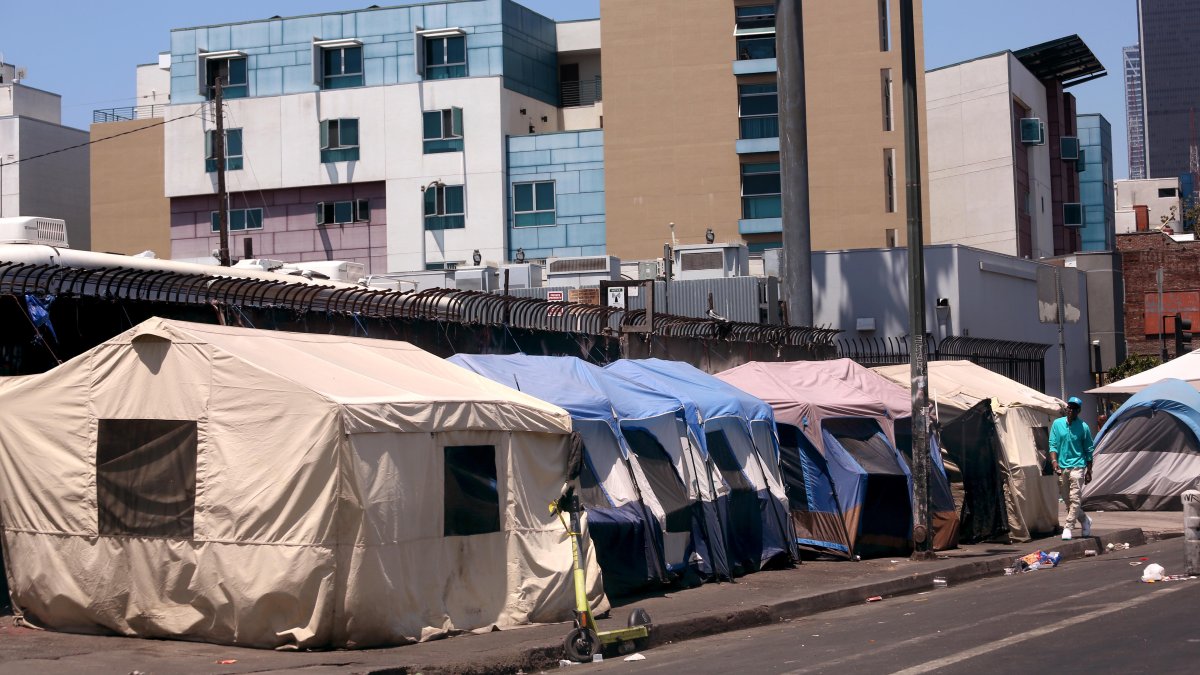
Armstrong, who operated under the alias “Anika,” worked for nearly two decades as a petition collector, coordinating with organizers who paid her per signature, according to court filings. She targeted Skid Row, a densely populated area with high numbers of homeless individuals, to gather signatures for ballot initiatives. Authorities allege she provided her own address on registration forms for people without stable housing, enabling them to vote in both state and federal elections.
“This isn’t a theory—it’s admitted election fraud,” said U.S. Attorney Bill Essayli, who emphasized the case as part of a broader investigation into potential voter fraud. Armstrong’s sentencing is set for August 31.
Role of Conservative Media and Legal Battles
The case gained traction after a video by conservative journalist James O’Keefe, showing cash being exchanged for signatures, was shared by the group “Real America’s Voice.” O’Keefe’s footage reportedly led to Armstrong’s arrest. The incident coincided with the DOJ’s ongoing legal battle to access California’s voter registration database, which it claims is necessary to investigate potential fraud.
The DOJ sued California Secretary of State Shirley Weber in 2023, seeking access to voter records, including Social Security numbers and driver’s license details. A federal judge dismissed the case in January, ruling the request violated privacy laws. The DOJ is now appealing the decision.
Why It Matters: Implications for Election Security
The case underscores tensions between election security and voter access. California’s strict voter registration rules, which allow individuals to register without a fixed address, have drawn criticism from some lawmakers. “There’s evidence of fraud,” Essayli said, though he did not specify how widespread it is.
Political figures, including former President Donald Trump, have repeatedly accused California of election fraud, though these claims lack supporting evidence. The state’s voter rolls include over 20 million registered voters, according to the California Secretary of State’s office.
FAQ: Key Questions About the Case
What did Brenda Lee Brown Armstrong do?
Armstrong pleaded guilty to paying homeless individuals in Los Angeles to register to vote, a federal crime punishable by up to five years in prison.
How does this affect California’s elections?
The case has fueled debates over voter fraud, though no large-scale issues have been proven. The DOJ’s lawsuit seeks to audit voter records, citing concerns about data accuracy.
What’s next for the investigation?
The U.S. Attorney’s Office is pursuing multiple cases of alleged fraud, including this one. The DOJ’s appeal of the dismissed lawsuit could reshape access to voter data.
Did You Know?
California’s voter registration process allows individuals to register using a temporary address, a policy designed to increase access but criticized for potential abuse.

Pro Tip
Voters can verify their registration status through the California Secretary of State’s website. If you suspect fraud, contact local election officials or the DOJ’s election crimes unit.
Reader Question
How do other states handle voter registration for homeless individuals? Share your thoughts.
Explore More
- How California’s Voting Laws Compare to Other States
- The Role of Petition Collectors in Electoral Processes
- Recent Election Fraud Cases in the U.S.
Call to Action
Stay informed about election integrity issues. Subscribe to our newsletter for updates on voter rights and legal developments.