

Working in Australian Mines: The Reality Behind the High Salaries for Young Expats
Young professionals from Spain are increasingly securing high-paying roles in the Australian mining sector, where hourly wages range from $60 to $90 AUD, according to reports from LibreMercado. While these roles offer significant savings potential, workers face 12-hour shifts, extreme isolation, and a rigorous, multi-stage hiring process that often requires local contacts or specialized driving credentials.
How the Australian Mining Recruitment Process Works
Securing a position in Australia’s mining industry is rarely an immediate process. According to accounts from expatriate workers Dylan and Miriam, candidates must navigate a competitive landscape that prioritizes those with internal referrals or specific technical certifications. The process typically begins with basic service roles before allowing workers to scale into more technical, higher-paying positions.
What Are the Working Conditions Like?
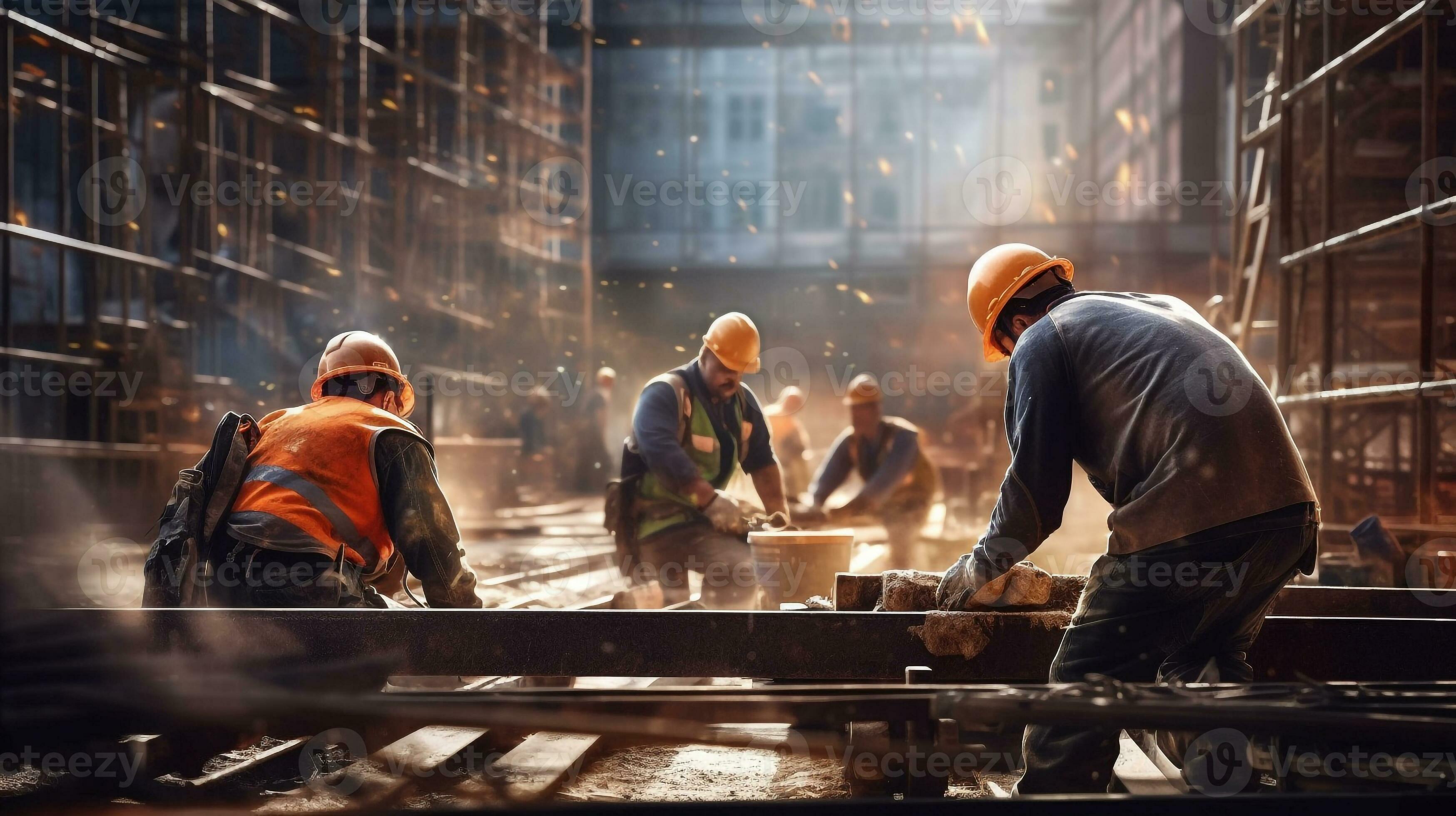
The daily reality of mining work involves strict scheduling and physical isolation. Dylan, a former English teacher, reported working 12-hour shifts starting at 4:00 a.m. and ending at 6:00 p.m. These rotations typically follow a schedule of two weeks on-site followed by one week of rest. Workers often operate in remote environments, with some roles requiring solitary confinement within machinery for the duration of the shift.
However, the experience varies by department. Miriam noted that service-oriented roles within the camps involve different demands than technical machine operations, often resulting in a lighter overall workload compared to the intensity of heavy extraction duties.
Financial Realities: Earnings vs. Cost of Living
The primary draw for international workers is the disparity between Australian mining wages and typical European salaries. Miriam reported earnings of up to $3,500 AUD per week, while entry-level machine operators can expect $55 AUD per hour, scaling up to $90 AUD for senior roles.
| Role Level | Estimated Hourly Rate (AUD) |
|---|---|
| Entry-Level / Operator | $55 – $65 |
| Technical / Senior | $75 – $90+ |
Because mining companies typically cover expenses such as flights, housing, food, and transport, the capacity for saving is high. According to LibreMercado, an inexperienced worker can earn between €55,000 and €75,000 annually, significantly outpacing many skilled positions in the Spanish labor market.
The Hidden Costs of Remote Mining Life
The lifestyle in remote mining camps can be mentally taxing. Workers describe these camps as small, enclosed cities located in the desert. While the lack of expenses helps save money, the isolation can foster a sense of confinement. Industry observers note that this career path is rarely a long-term choice for native Australians unless they are managing significant debt or prioritizing rapid wealth accumulation over social stability.
Frequently Asked Questions
- Do I need specialized training to work in Australian mines? Not necessarily for entry-level roles, but having a driver’s license and technical certifications will significantly speed up the hiring process.
- Is it easy to get a job in the mines? No. It is a competitive market that often requires networking and local presence in Australia to secure a contract.
- What is the biggest challenge of the job? According to workers, the primary hurdles are the 12-hour shifts and the psychological impact of living in isolated, desert-based camps.
Are you considering a career change abroad, or do you have questions about the logistics of working in Australia? Leave a comment below or subscribe to our newsletter for more insights on international career opportunities.