

World Brief: Israel-Lebanon Conflict, US-Iran Talks, and Global Elections
The New Global Chessboard: Predicting the Next Wave of Geopolitical Shifts
The world is no longer moving in a straight line; This proves vibrating between extreme volatility and strategic pivots. From the narrow shipping lanes of the Middle East to the ballot boxes of South America and Africa, we are witnessing a fundamental redesign of how power is brokered, maintained, and lost.
As a veteran observer of international affairs, I’ve seen these patterns before, but the current acceleration is unprecedented. We are entering an era of “Transactional Diplomacy,” where traditional alliances are secondary to immediate, high-stakes deals and personal chemistry between leaders.
The Weaponization of Choke Points: The Future of Global Trade
The recent threats to close the Strait of Hormuz and the Bab el-Mandeb Strait are not just regional skirmishes; they are signals of a broader trend. We are seeing the “weaponization of geography.” When a nation can threaten a primary artery of global oil or commerce, they possess a leverage that transcends military hardware.
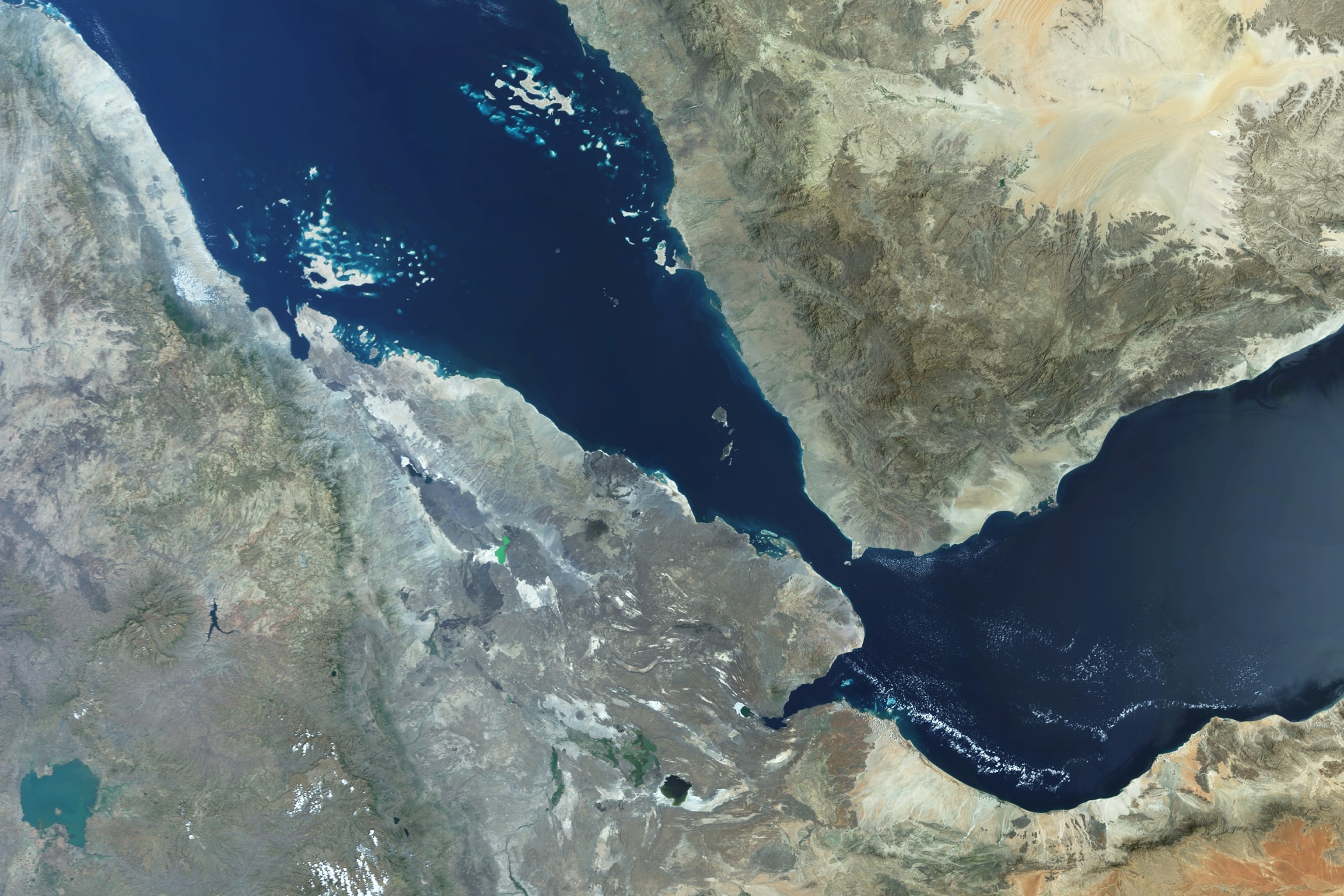
Looking ahead, expect a surge in “diversification desperation.” Nations will invest heavily in overland trade routes (like the expanded Belt and Road initiatives or new corridors through Central Asia) to bypass these maritime vulnerabilities. The risk is no longer just a price hike at the pump, but a total systemic failure of “just-in-time” logistics.
the shift toward direct, non-traditional communication—where leaders bypass state departments to negotiate via social media or private envoys—suggests a future where formal diplomacy is merely a rubber stamp for “handshake deals” made in the shadows.
The Polarization Pivot: Democracy vs. The ‘Strongman’ Appeal
Across Ethiopia, Colombia, and Guinea, a recurring theme is emerging: the appetite for the “Strongman.” Whether it is the promise of “mega-prisons” to solve crime or the consolidation of power through managed elections, there is a global trend toward authoritarian efficiency over democratic deliberation.

We are seeing a widening gap between two distinct governance models:
- The Progressive Peace Model: Focusing on systemic reform, guerrilla integration, and social safety nets.
- The Security-First Model: Prioritizing hard-line crackdowns, centralized authority, and the removal of political opposition.
The future trend here is “Ideological Hardening.” As seen in Colombia’s presidential race, the middle ground is disappearing. Future elections will likely be less about policy nuances and more about existential identity—a trend that often leads to civil unrest if the losing side views the winner as an existential threat rather than a political opponent.
The Transparency Trap: The End of Political Privacy
The fallout from the Peter Mandelson files in the UK highlights a new reality for the global elite: the “Permanent Record.” In an age of digital archiving and mandatory transparency laws, the ghosts of a politician’s past are no longer buried; they are simply waiting for the right parliamentary request to be unearthed.
We are moving toward a period of “Radical Accountability,” where the personal associations of a leader—even those from decades ago—can collapse a modern administration. This creates a paradox: while transparency is healthy for democracy, it may discourage experienced diplomats from entering public service for fear of “archival assassination.”
For more on how digital leaks are shaping modern governance, check out our analysis on the evolution of whistleblowing in the 21st century.
Soft Power 2.0: The ‘Rhythm’ of Indo-Pacific Diplomacy
Perhaps the most optimistic trend is the evolution of “Soft Power.” The sight of Japanese and Philippine leaders bonding over Beatles songs and K-pop is not just a quirky photo op; it is a calculated strategic tool.
In the Indo-Pacific, cultural diplomacy is becoming the “lubricant” for hard-power security pacts. By building personal, cultural bridges, leaders can negotiate sensitive weapons sales and strategic partnerships with less friction. We can expect to see more “Cultural Statecraft,” where music, art, and shared pop culture are used to align national interests before the formal treaties are even drafted.
This approach is highly effective in regions where historical grievances run deep. Shared cultural experiences create a human connection that can withstand the pressures of geopolitical competition.
Frequently Asked Questions
How do shipping choke points affect the average consumer?
When straits like Hormuz or Bab el-Mandeb are threatened, insurance premiums for cargo ships skyrocket. This increases the cost of transporting goods, leading to higher prices for fuel, electronics, and food globally.

Why is “Strongman” politics returning to the global stage?
Typically, this happens during periods of high economic instability or perceived insecurity. Voters often trade democratic liberties for the promise of order and decisive action.
What is “Soft Power” in diplomacy?
Soft power is the ability to influence others through attraction and persuasion (culture, values, policies) rather than coercion (military force or payments).
Join the Conversation
Do you believe “Strongman” politics are an inevitable response to global instability, or can democratic institutions evolve to meet these challenges? Let us know your thoughts in the comments below!
Want more deep dives into global trends? Subscribe to our Weekly Intelligence Newsletter.