
World’s first portable ASB GlassFloor court installed in Japan
The Okinawa Suntory Arena in Japan has deployed the world’s first portable ASB GlassFloor, a full-LED surface designed to transition between professional basketball games and multi-purpose events. According to ASB GlassFloor, the installation allows the home venue of the Ryukyu Golden Kings to adapt its floor for concerts, esports, and exhibitions, utilizing integrated LED technology to display court markings, branding, and fan-facing visual content.
How LED Glass Flooring Changes Venue Economics
The primary advantage of a full-LED surface is the elimination of physical floor changes. Traditionally, arenas must swap out permanent wood courts for concert stages or trade show flooring, a process that incurs significant labor costs and downtime. By using an LED surface, operators can digitally alter court lines or display sponsor advertisements instantly.
Benedikt von Dohnanyi, CEO of ASB Arena and Event Services, stated that the partnership aims to “unlock new commercial opportunities” and position the venue as a leader in global sports entertainment. This commercialization potential includes dynamic sponsorship activations, where brands can change logos on the floor during timeouts or between different event types, effectively turning the entire court into a digital billboard.
The ASB GlassFloor system is designed to provide elastic properties similar to traditional timber floors, ensuring athlete safety while offering the visual flexibility of a high-resolution display.
Comparing Modern Arena Technology
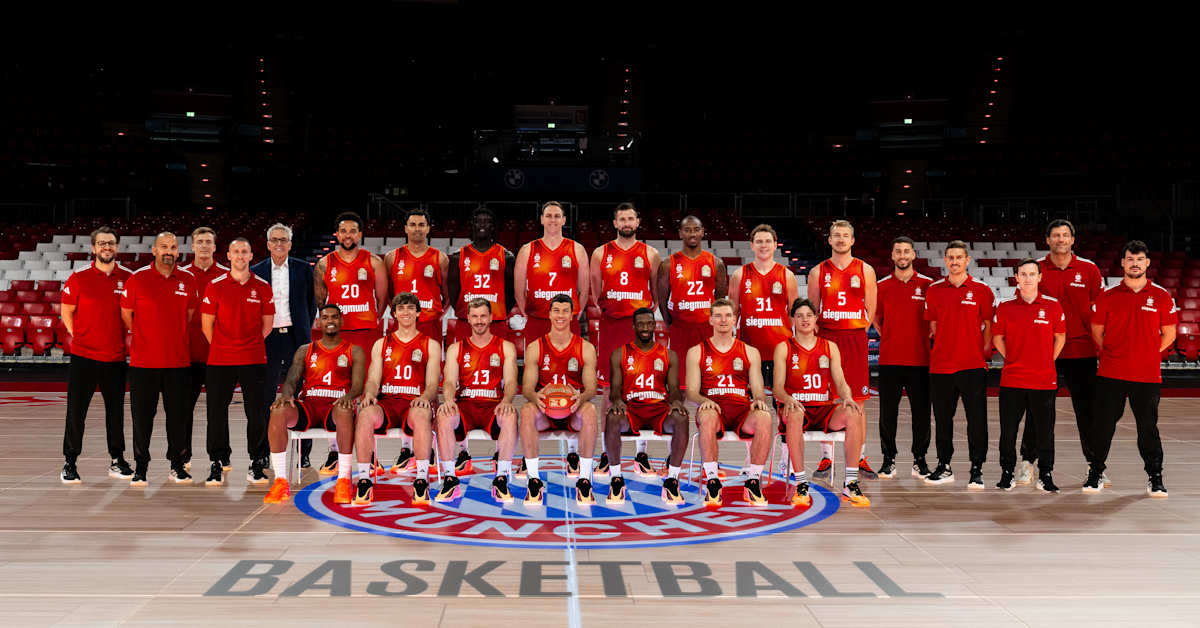
The deployment in Okinawa follows a similar, though static, implementation in Europe. In the summer of 2024, Munich’s BMW Park—the home of FC Bayern Basketball—partnered with ASB GlassFloor to install a full-LED sports floor. While both venues utilize the same core technology, the Okinawa installation represents the first iteration of the portable version, marking a shift toward making this technology viable for arenas that host diverse, rotating event schedules rather than just a single home team.
What Are the Future Trends for Smart Arenas?
The integration of digital surfaces into sports venues points toward a broader trend of “responsive architecture.” As arenas face pressure to maximize annual revenue, the ability to pivot from a basketball game to a high-production esports tournament in hours is becoming a competitive necessity.
- Dynamic Fan Engagement: Extending scoreboard content onto the court surface to create a 360-degree visual experience.
- Operational Efficiency: Reducing the labor-intensive process of manual floor assembly and storage.
- Sponsorship Scalability: Allowing smaller sponsors to purchase “digital ad time” on the floor that would be impossible with traditional painted wood.
When evaluating arena upgrades, prioritize technologies that offer dual-purpose utility. The ROI on a floor that serves as both a playing surface and a commercial display is significantly higher than a traditional court.
Frequently Asked Questions
Is the glass floor safe for professional basketball players?
Yes. According to ASB GlassFloor, the surface is engineered to match the elasticity and friction levels of traditional sports flooring to meet professional athletic standards.
How does the floor display content?
The floor is a full-LED display. It functions similarly to a high-resolution stadium scoreboard, allowing operators to project lines, team logos, and animations directly onto the surface.
Can this floor be used for events other than basketball?
Yes. Because the lines are digital, the surface can be programmed for various sports, esports setups, or cleared for non-sporting events like concerts.
What do you think about the shift toward digital sports courts? Share your thoughts in the comments below or subscribe to our newsletter for the latest updates on sports technology trends.