

Would You Like That Video More If It Had Your Face in It?
The Identity Economy: When Your Face and Voice Become Intellectual Property
For decades, copyright law was simple: you owned the song you wrote, the book you published, or the movie you filmed. But we are entering a strange new era where the “work” is no longer the primary asset. Instead, the asset is you—your voice, your facial geometry, and your unique aesthetic.
Recent moves by Spotify and YouTube signal a fundamental shift in the creator economy. By introducing AI-powered remixing tools and biometric “likeness detection,” these platforms are moving beyond hosting content; they are becoming the official registrars of human identity.
From Static Hits to ‘Liquid Content’
Spotify’s deal with Universal Music Group (UMG) suggests a future where a hit song is no longer a finished product, but a template. The idea that “one song can become 10,000 songs” transforms music from a static piece of art into “liquid content.”
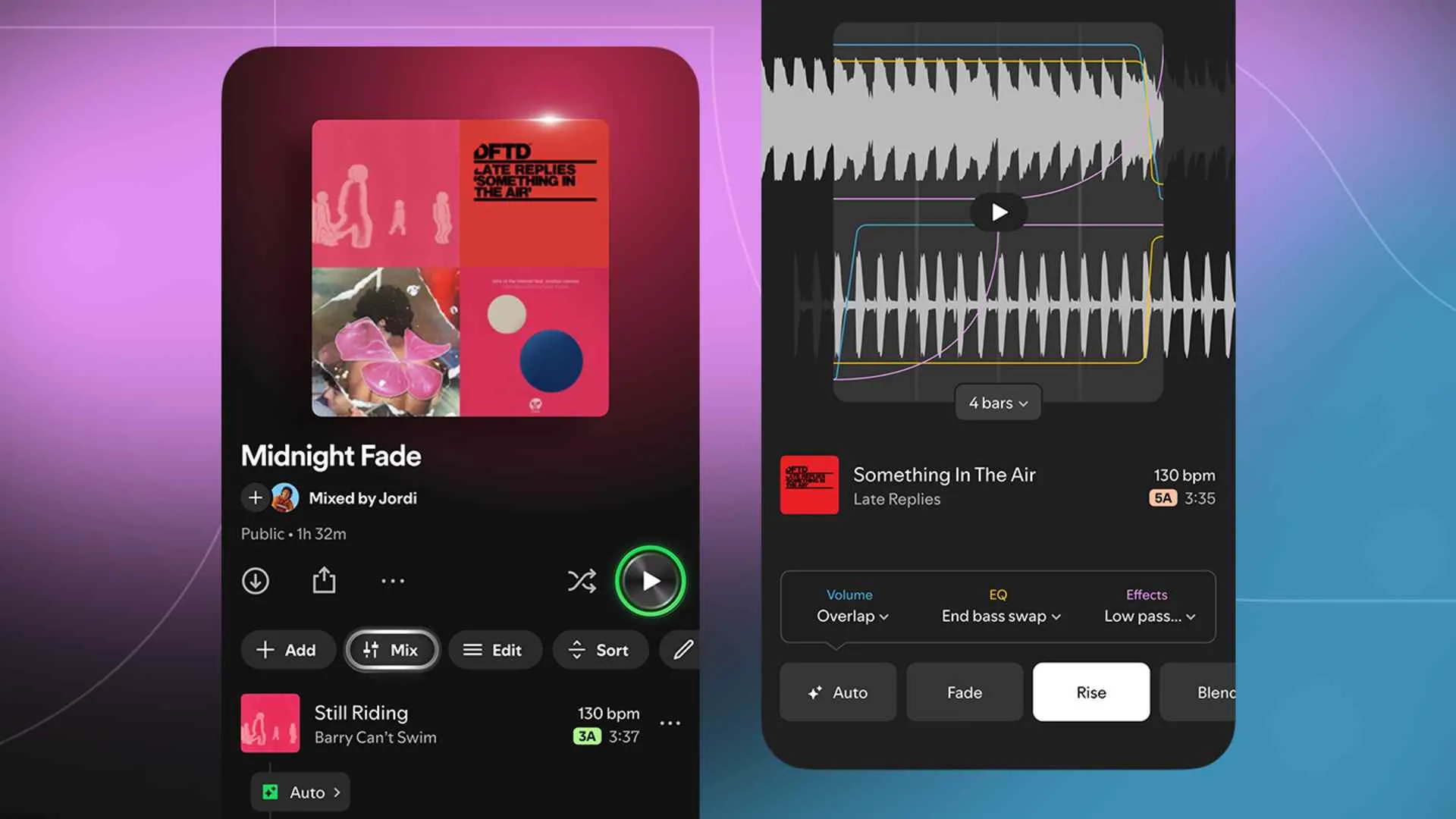
In this model, the listener isn’t just a consumer; they are a co-creator. Imagine a world where you can toggle a “lo-fi” switch on a pop hit for studying, or shift a country song into a synth-wave vibe for a workout—all legally sanctioned and monetized through the platform.
This isn’t just a gimmick. It’s a strategic move to combat “AI slop”—the flood of unauthorized, low-quality generative music. By creating a legal framework for remixes, Spotify is essentially building a walled garden. If you want the “official” AI version of your favourite artist, you have to stay within their ecosystem.
The ‘Inevitability’ Playbook
This strategy mirrors the early days of streaming. Just as Spotify offered a legal alternative to Napster and piracy, they are now offering a legal alternative to “rogue” AI covers. The industry logic is simple: if the technology is inevitable, it is better to control the pipeline and take a cut of the revenue than to fight a losing battle in court.
The Biometric Vault: Google’s New Identity Regime
While Spotify is focusing on the audio, YouTube (and by extension, Google) is moving toward something more intimate: the ownership of your physical likeness.

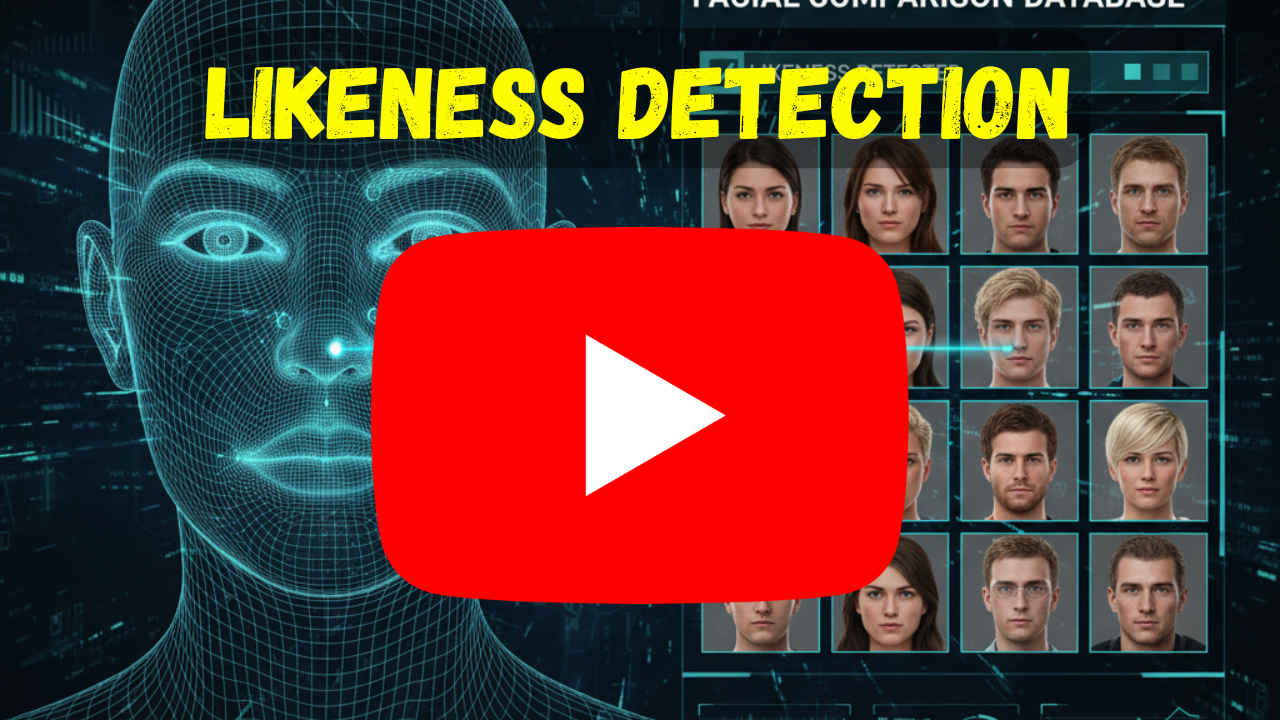
YouTube’s expansion of “likeness detection” is a pivotal moment in digital history. By using biometric onboarding—essentially mapping the distance between your eyes, nose, and mouth—Google is creating a “Content ID for humans.”
This allows creators to track and control where their faces appear across the platform. On the surface, it’s a tool to fight deepfakes. But look closer, and it’s a massive data play. Google already manages our emails, search histories, and locations; now, they are adding our biometric signatures to their database.
Future Trends: What Happens Next?
As these tools evolve, we can expect several seismic shifts in how we interact with media and identity:
1. The Rise of the ‘Digital Twin’ licence
We will likely see the emergence of identity agents. Instead of signing a record deal, an artist might sign a “Likeness licence,” allowing a platform to use their AI voice and face in a limited number of user-generated remixes in exchange for a recurring royalty.
2. Hyper-Personalized Media Consumption
We are moving toward a “Choose Your Own Artist” reality. Future streaming services could allow you to swap the vocalist of any song in real-time. Want to hear a 1950s jazz version of a modern trap song sung by a digital recreation of Frank Sinatra? The infrastructure for this is being built right now.
3. The Centralization of Truth
As AI-generated content becomes indistinguishable from reality, platforms like YouTube will become the “arbiters of authenticity.” If a video isn’t verified by a platform’s biometric database, it will be treated as fake. This gives tech giants unprecedented power over what is considered “real.”
For more on how generative AI is shifting the creative landscape, check out our guide on the evolution of synthetic media or explore the latest breakthroughs in AI ethics at Wired.
Frequently Asked Questions
Will AI remixing replace original artists?
Unlikely. While AI can iterate, the “human element”—the storytelling and emotional connection—is what drives the initial popularity of a song. AI will likely become a tool for engagement rather than a replacement for creation.
Is likeness detection safe for my privacy?
Biometric data is highly sensitive. While these tools help creators protect their image, they also require users to hand over biometric maps to large corporations, raising significant privacy and security concerns.
How do artists make money from AI covers?
Through new revenue-sharing models. In the Spotify/UMG deal, a portion of the subscription or per-play fee from AI-generated remixes is funneled back to the original rights holders.
Join the Conversation
Do you think “likeness detection” is a necessary shield against deepfakes, or a dangerous step toward corporate control of our identities?
Share your thoughts in the comments below or subscribe to our newsletter for weekly insights into the future of tech and creativity.