
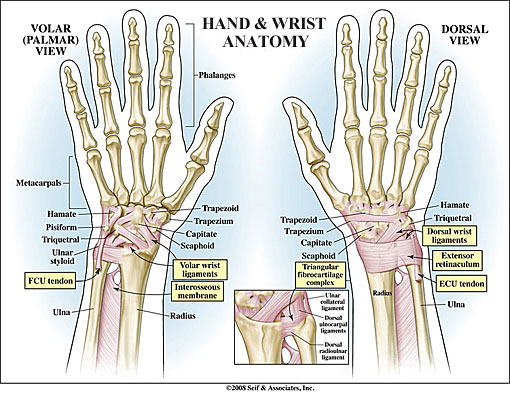
Wrist Fracture: Causes, Symptoms, and Treatment Guide
A wrist fracture is a serious medical event that can result from a severe fall, sports-related trauma, or underlying conditions like osteoporosis, osteoarthritis, and rheumatoid arthritis. Recognizing symptoms such as visible bone displacement, numbness, or extreme pain is critical for immediate stabilization and long-term recovery.
What are the primary signs of a wrist fracture?
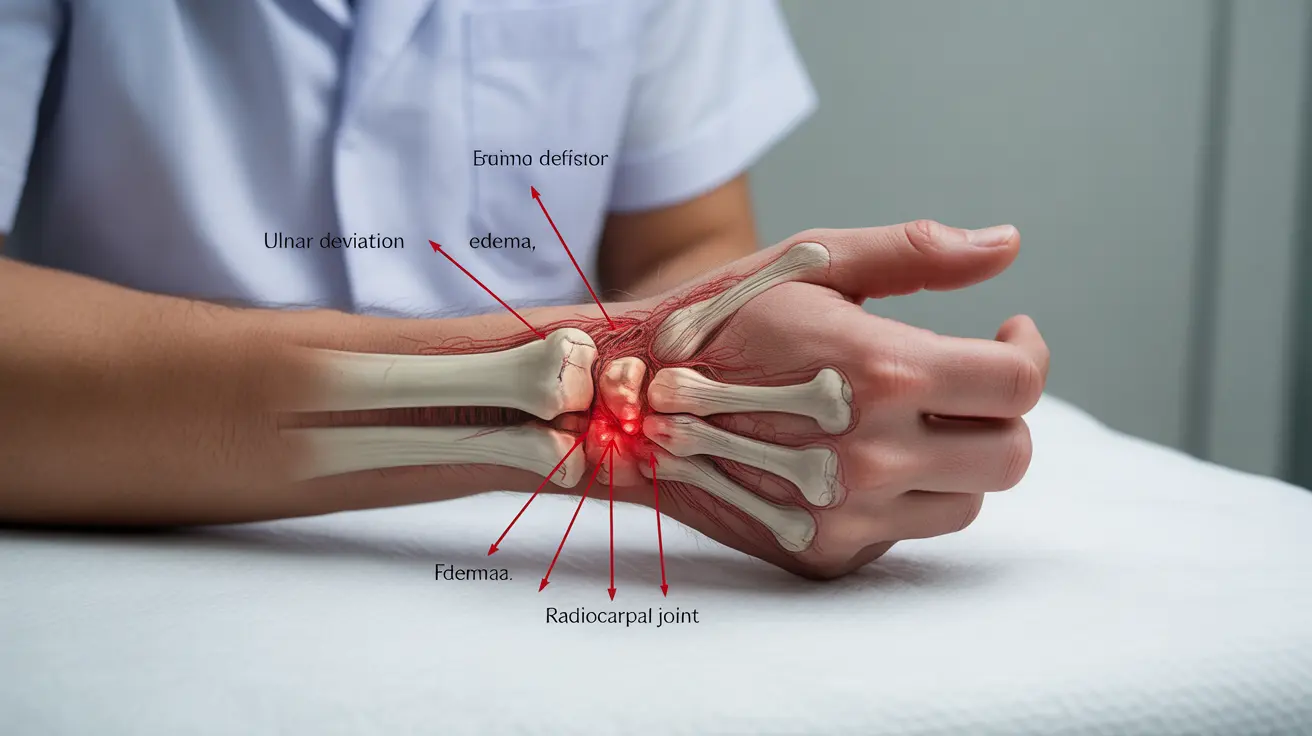
The most immediate indicator of a fracture is often a visible deformity or abnormal bending in the wrist. According to clinical guidelines, patients may also notice an obvious displacement of the bones.
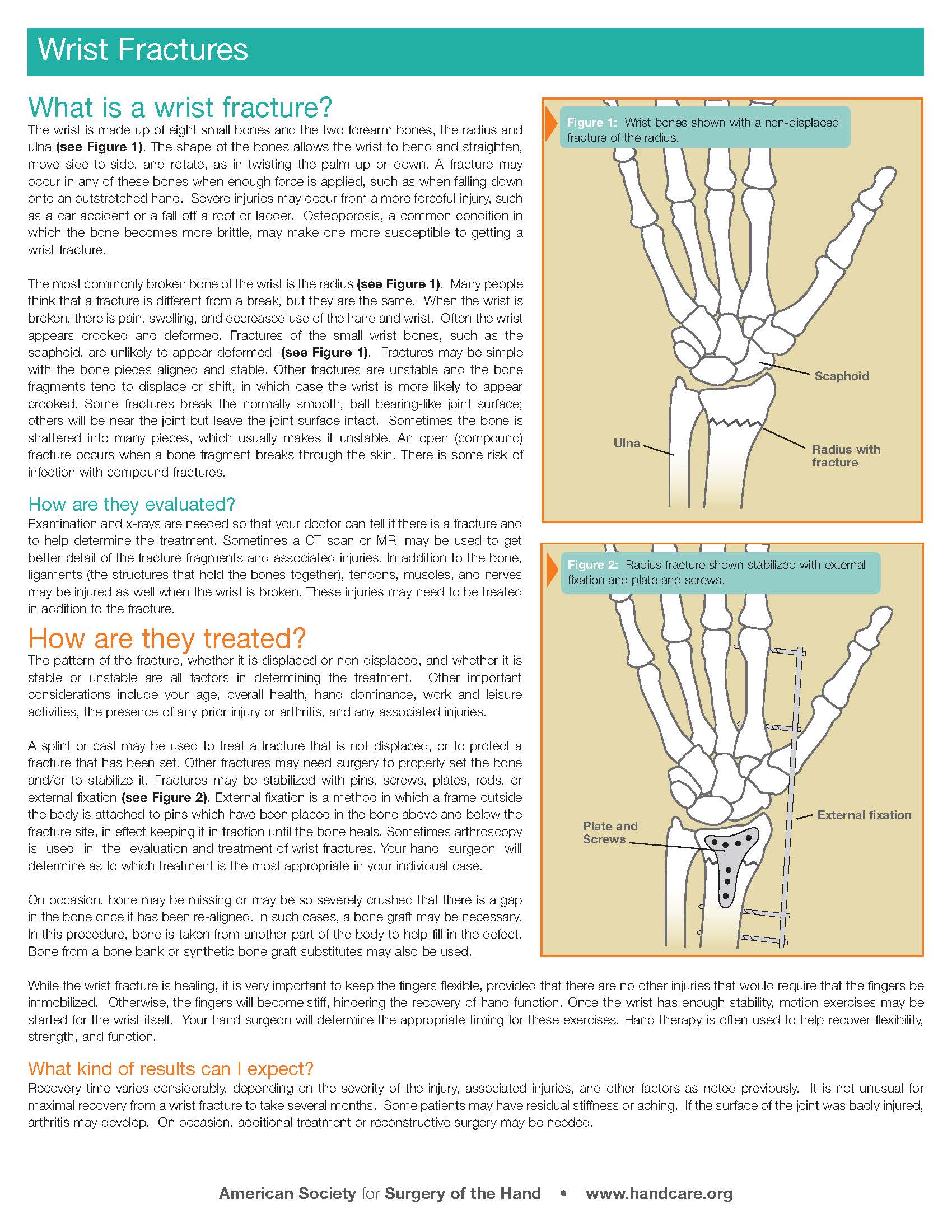
Additional symptoms include tenderness, bruising, and swelling in the affected arm and hand. Patients frequently report numbness and a noticeable stiffness that limits the motion of the thumb, fingers, and wrist. If you experience increasing, severe pain when gripping or squeezing objects, a fracture may be present.
What immediate steps should you take?
If you suspect a fracture, the priority is to immobilize the wrist to prevent further structural damage. Applying an ice pack is recommended to help limit swelling around the injury site.
Over-the-counter pain-relieving medications may assist with managing discomfort in the interim. However, these measures are temporary stopgaps before professional medical evaluation.
How does an orthopedic specialist manage recovery?
An orthopedic specialist, such as Dr. Brad Cucchetti of Cucchetti Orthopedics in Phoenix, AZ, will perform a thorough examination to assess the severity of the damage. Imaging studies are typically required to determine the precise nature of the fracture.
For less severe cases, non-surgical treatment involving immobilization with a cast or splint, combined with anti-inflammatory medication, may be sufficient. In instances of severe fractures, surgery may be necessary to repair and realign the bones. This procedure could involve the placement of screws, rods, or plates to ensure the bones remain in the correct position during the healing process.
What may happen next?
If the fracture is not treated by a specialist, there is a risk that the bones may heal in an incorrect position, which could permanently hinder the range-of-motion in the hand and wrist. Patients who seek early expert care are likely to have a better prognosis for regaining full functionality. Following the specialist’s guidance on immobilization and, if necessary, surgical intervention, is a standard path toward recovery.
Frequently Asked Questions
What are common causes of a wrist fracture?
A wrist fracture can be caused by a severe fall, trauma to the wrist, sports injuries, or underlying medical conditions like osteoporosis, osteoarthritis, and rheumatoid arthritis.
How can I contact a specialist for treatment?
You can reach Dr. Brad Cucchetti at Cucchetti Orthopedics in Phoenix, AZ, by calling (602) 955-5700.
What does surgical treatment for a wrist fracture involve?
For severe fractures, surgery may be required to realign the bones using internal hardware such as screws, rods, or plates to maintain their correct position.
Have you considered how a minor injury to your wrist might affect your daily mobility if left untreated?