
Wuthering Waves Hits New Steam Peak Amid Cyberpunk Crossover and Mobile Industry Shift to D2C Stores
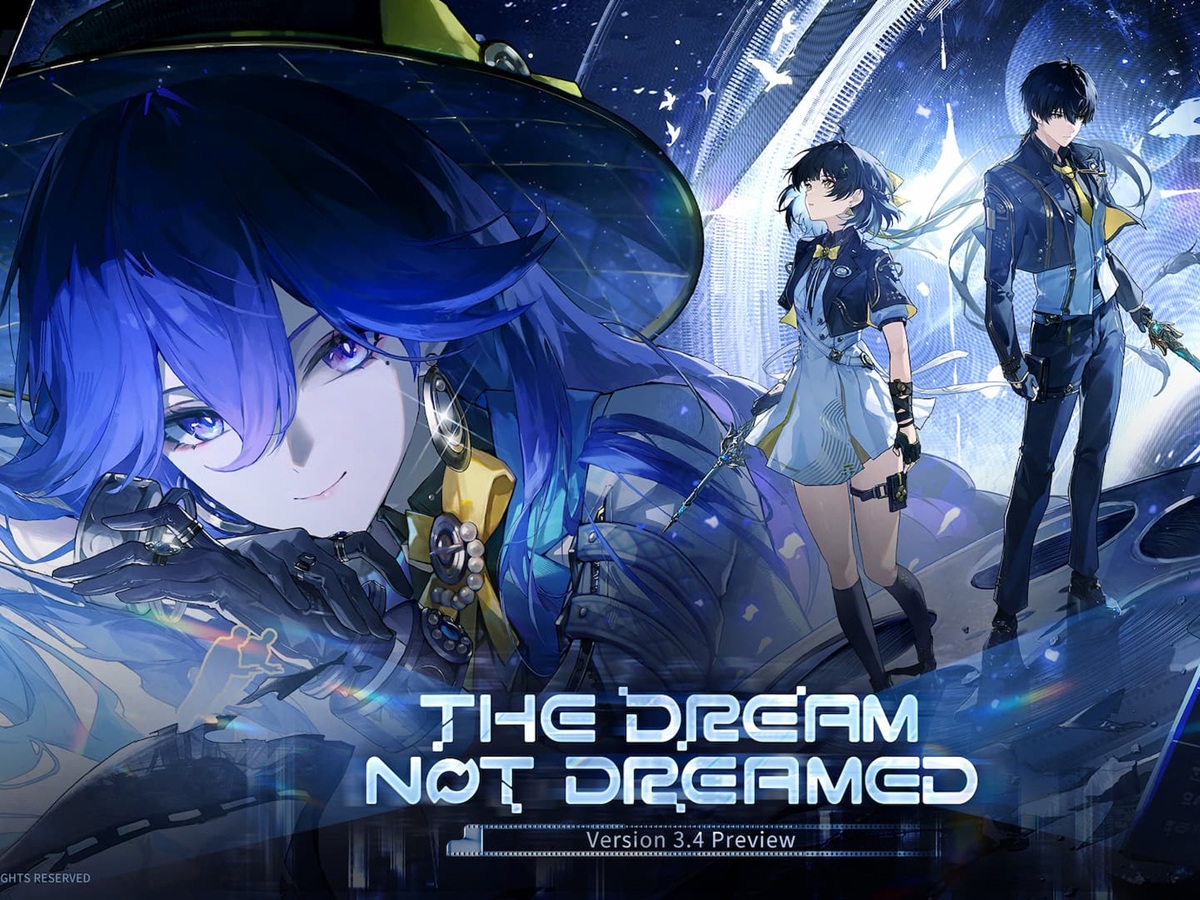
Wuthering Waves has reached a new milestone, surpassing 50,000 concurrent players on Steam following the release of its 3.4 “The Dream Not Dreamed” update, according to platform data. Kuro Games’ latest expansion, featuring a high-profile crossover with the Cyberpunk: Edgerunners universe, highlights a broader industry shift as mobile developers move toward Direct-to-Consumer (D2C) web stores to reclaim revenue lost to traditional app store fees.
Why is the Wuthering Waves update straining mobile devices?
The integration of the new “Somnoire – Night City” event map has pushed mobile hardware to its limits. According to internal hardware logs, the neon-heavy visual environment in Wuthering Waves causes significant thermal throttling and frame rate instability on high-end Android and iOS chipsets. While the game’s retention remains high—bolstered by the distribution of free 5-star characters like Rebecca—the technical performance gap between PC and mobile environments is widening. Developers are finding that high-fidelity assets designed for PC-first experiences often struggle to maintain consistent performance in the constrained thermal envelopes of modern smartphones.

Direct-to-Consumer (D2C) web stores allow game studios to bypass the standard 15% to 30% commission rates typically charged by Apple’s App Store and the Google Play Store.
How are mobile studios bypassing app store fees?
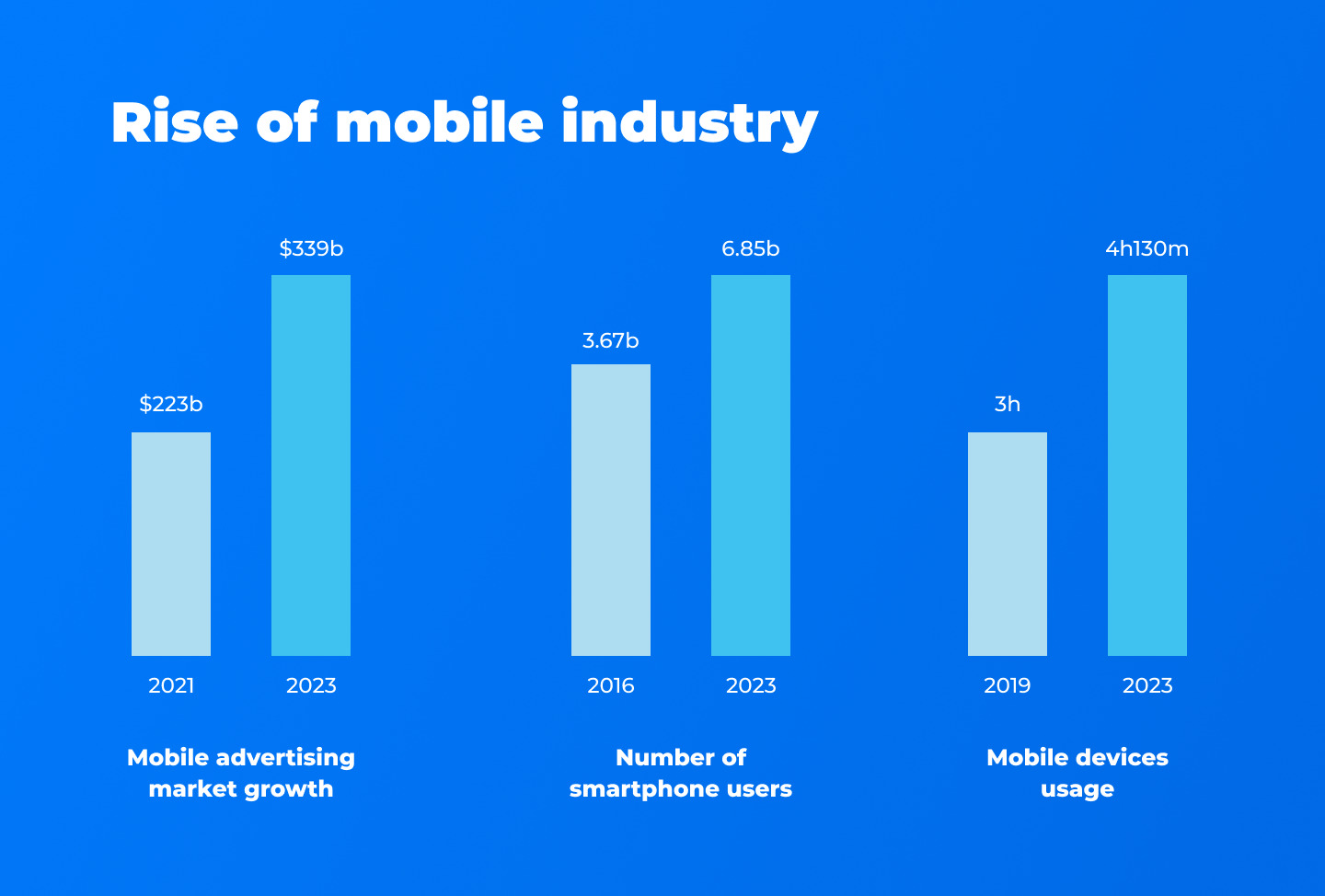
Ahead of the Pocket Gamer Connects (PGC) Barcelona conference, infrastructure providers like Xsolla are reporting a surge in demand for external web-based payment systems. Mobile publishers are increasingly launching proprietary web hubs where players can purchase in-game currency directly. By shifting transactions to these web-based storefronts, studios aim to recover up to 25% of their total revenue. This trend is a direct response to global regulatory shifts and legal challenges against platform-mandated payment gateways, fundamentally altering how live-service games manage their monetization pipelines.
Is the action-RPG market shifting toward faster meta cycles?
The competitive landscape for high-fidelity action-RPGs is moving toward more aggressive content updates to keep players engaged. While Wuthering Waves dominates headlines with its crossover content, Netmarble is simultaneously shifting the meta for Solo Leveling: Arise. According to the developer’s latest patch notes, the introduction of the “Buster” class is designed to overhaul endgame combat, forcing players to adapt to faster, more aggressive playstyles. This reflects a broader industry pattern where developers prioritize rapid, meta-altering updates to maintain player interest in a saturated market.
If you are experiencing performance drops on mobile, try lowering the shadow quality and bloom settings in the game’s graphics menu to reduce the load on your device’s GPU during intense combat sequences.
Frequently Asked Questions
- Why are mobile games moving to web stores? Studios are adopting D2C models to avoid paying the 30% commission fees required by major app stores, potentially increasing their profit margins by up to 25%.
- What causes performance issues in Wuthering Waves on mobile? High-fidelity visual elements, such as those found in the “Night City” map, create heavy thermal loads that can cause throttling on even high-end mobile processors.
- What is the primary benefit of the new Buster class in Solo Leveling: Arise? The Buster class is intended to disrupt the current endgame meta, providing players with new, aggressive combat options.
Are you seeing more developers move their shops off-platform? Share your thoughts on the future of mobile gaming monetization in the comments below, or subscribe to our newsletter for more industry analysis.