

WWDC 2026 Live Stream: Watch the Apple Keynote and iOS 27 Updates
Apple is shifting toward a unified software experience where iOS, iPadOS, and macOS blend seamlessly, while simultaneously attempting to reclaim the smart home market via hybrid hardware. This evolution focuses on “ambient computing,” utilizing deep AI integration to make devices disappear into the background of daily life.
Why is Apple blurring the lines between iOS, iPadOS, and macOS?
The goal is total ecosystem fluidity. For years, Apple kept iPadOS as a middle child—too powerful for a phone, too restricted for a Mac. According to industry analysis from Bloomberg, the push toward convergence allows developers to write one piece of code that works everywhere without compromise.
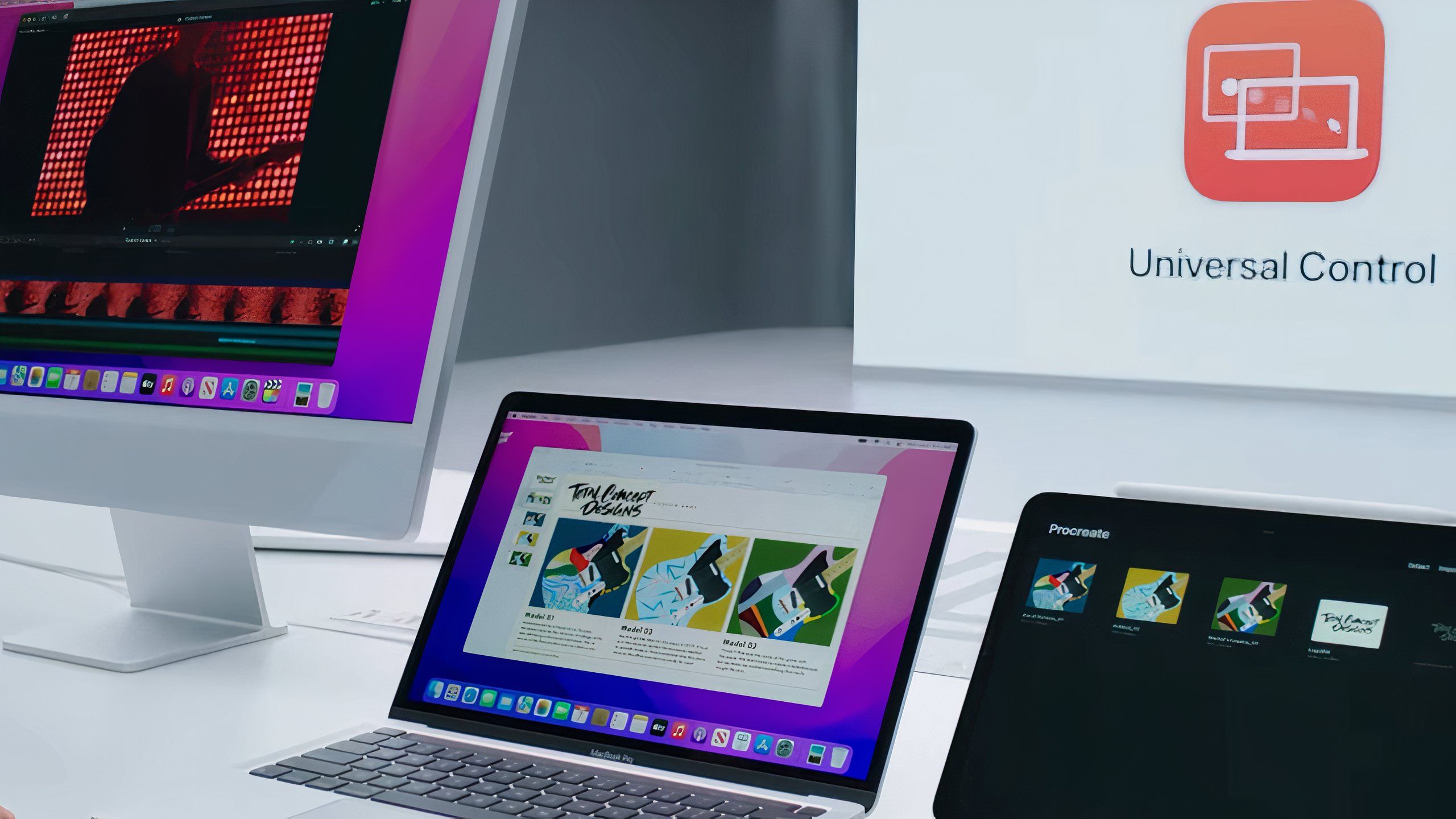
We’re seeing this play out in the trajectory toward versions like iOS 27 and macOS 27. The distinction between a “tablet app” and a “desktop app” is vanishing. Instead, the software adapts to the screen size and input method in real-time. It’s not just about multitasking; it’s about a singular, continuous state of work across devices.
How will a HomePod-iPad hybrid change the smart home?
Apple has struggled to dominate the smart home. While the HomePod offers great sound, it lacks the visual interface people want for controlling their lights, security cameras, and thermostats. A hybrid device—essentially an iPad integrated into a high-end speaker—solves this “blind” interface problem.

This move aligns with the Matter protocol, the industry standard that allows Apple, Google, and Amazon devices to talk to each other. By adding a screen to the HomePod’s audio power, Apple creates a “command center” for the home. It’s a direct response to the Amazon Echo Show’s market share.
The real win here isn’t the hardware; it’s the OS. A dedicated home operating system would allow Siri to act as a visual concierge, showing you a live feed of your front door while simultaneously playing your morning news briefing.
What happens next for Apple Intelligence and AI?
AI is no longer a feature; it’s the new architecture. The transition to future OS versions marks a shift from “reactive AI” (you ask, it answers) to “proactive AI” (it anticipates).
Imagine your Mac noticing you have a meeting in ten minutes and automatically pulling up the relevant emails, calendar invites, and a draft of the agenda before you even open the app. This requires the AI to have “on-device awareness,” which is why Apple is pushing for more powerful Neural Engines in its silicon.
Compared to cloud-heavy AI like Google Gemini, Apple’s approach prioritizes privacy. By processing the majority of AI tasks on the device, they maintain the “Privacy. That’s iPhone” brand promise while offering the speed of local execution.
Comparison: Apple’s Smart Home Strategy vs. Competitors
| Feature | Apple (Projected) | Amazon/Google |
|---|---|---|
| Primary Interface | Visual/Audio Hybrid | Screen-first (Echo Show/Nest Hub) |
| Data Handling | On-device Processing | Cloud-centric Processing |
| Ecosystem Lock-in | High (Tight OS integration) | Medium (Broad hardware support) |
Frequently Asked Questions
Will the HomePod-iPad hybrid replace the iPad?
No. It’s designed as a stationary hub for the home, whereas the iPad remains a portable productivity tool. They will complement each other via the same ecosystem.
Does iOS 27 mean a total redesign of the interface?
While a total redesign is unlikely, expect “adaptive interfaces” that change based on the device you’re using, making the transition between iPhone and Mac feel invisible.
Is Apple Intelligence available on older devices?
Generally, advanced AI features require the latest Neural Engine hardware. Check our hardware guide to see if your device is compatible.
What do you think? Would a HomePod with a built-in iPad screen make you switch your smart home setup? Let us know in the comments below or subscribe to our newsletter for the latest tech leaks and analyses.