
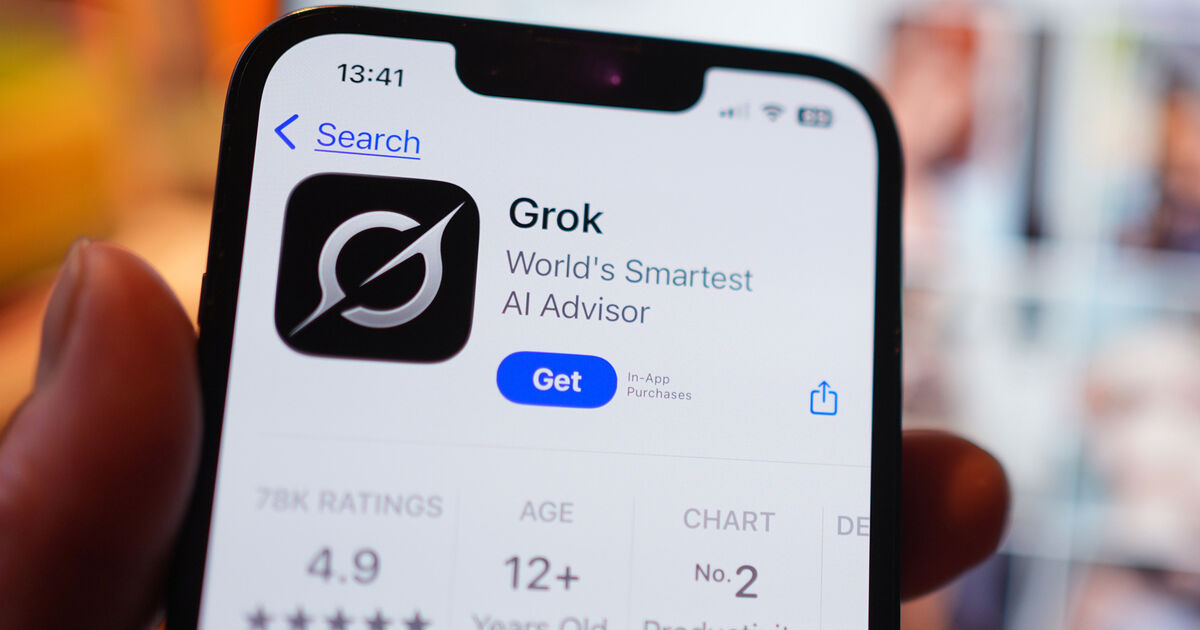
X could face significant financial penalties and ‘heightened’ regulatory scrutiny
The Grok Reckoning: Why X’s AI Tool is the New Frontline for Global Tech Regulation
For years, the battle between big tech and regulators was defined by data privacy and ad-targeting transparency. Today, the theatre of conflict has shifted toward Generative AI. At the centre of this storm is X (formerly Twitter) and its AI chatbot, Grok. According to internal briefings released under the Freedom of Information Act, the platform is now facing a “key test case” that could redefine how social media giants deploy AI in the European market.
Regulators are no longer just looking at how companies store data; they are scrutinizing how that data is used to train the “brains” of the next generation of AI models. With investigations spanning from Ireland’s Data Protection Commission (DPC) to the European Commission, the stakes for X have never been higher.
The Collision Course: AI Deployment vs. Digital Safety
The core of the controversy stems from two distinct yet interconnected issues: the unauthorized use of user posts to train AI models and the potential for these models to generate harmful, non-consensual content. In the eyes of regulators, if a platform’s AI can produce deepfakes or child safety violations, the platform itself is responsible for those “hallucinations” or systemic failures.

This scrutiny is particularly intense in Ireland, which serves as the European regulatory hub for most major tech firms. When the DPC opens an inquiry, it often sets a precedent for the entire European Economic Area (EEA). If X is found to have processed user data unlawfully to train Grok, the financial penalties could be staggering, potentially reaching a significant percentage of global annual turnover under the Digital Services Act (DSA).
What This Means for the Future of Social Media
We are entering an era of “AI Accountability.” In the past, platforms relied on the “safe harbor” defence, claiming they were merely conduits for user-generated content. However, when a platform develops its own AI tool that actively synthesizes and generates content, that defence begins to crumble.
- Mandatory Product Changes: We expect to see a shift toward “Privacy by Design,” where AI tools are trained only on opt-in datasets.
- Heightened Oversight: Expect regulators to demand regular “stress tests” for AI models before they are rolled out to the public.
- Cross-Border Enforcement: The collaboration between UK authorities and EU regulators shows that tech companies can no longer “jurisdiction shop” to avoid compliance.
How Users Can Protect Their Digital Footprint
As the legal landscape shifts, users should take proactive steps to manage their digital identity. It is no longer enough to assume your data is private. Check your account settings on platforms like X to see if you have enabled or disabled “Data Sharing for AI Training.” Most platforms have buried these settings deep in the “Privacy & Safety” menus.
For more on how your data is being used, read our guide on Understanding Your Digital Rights in the Age of AI.
Frequently Asked Questions
Is Grok the only AI tool facing regulatory scrutiny?
No. While Grok is currently a high-profile test case, regulators are actively investigating how companies like Meta, Google, and OpenAI train their models using public web data.
What are the potential penalties for X?
Under the EU’s Digital Services Act, platforms can face fines of up to 6% of their total global annual turnover for failing to mitigate systemic risks like illegal content generation.
Can I stop my posts from being used to train AI?
Yes, most platforms now provide a toggle in their settings menu to opt out of having your data used to train their Large Language Models (LLMs). Check your privacy settings immediately.
What is your take on the balance between AI innovation and platform safety? Are regulators moving too fast, or is this long-overdue protection for the average user? Join the conversation in the comments below or subscribe to our weekly tech briefing to stay ahead of the regulatory curve.