
Xbox Promises A ‘Reliable Pipeline’ Of Exclusives
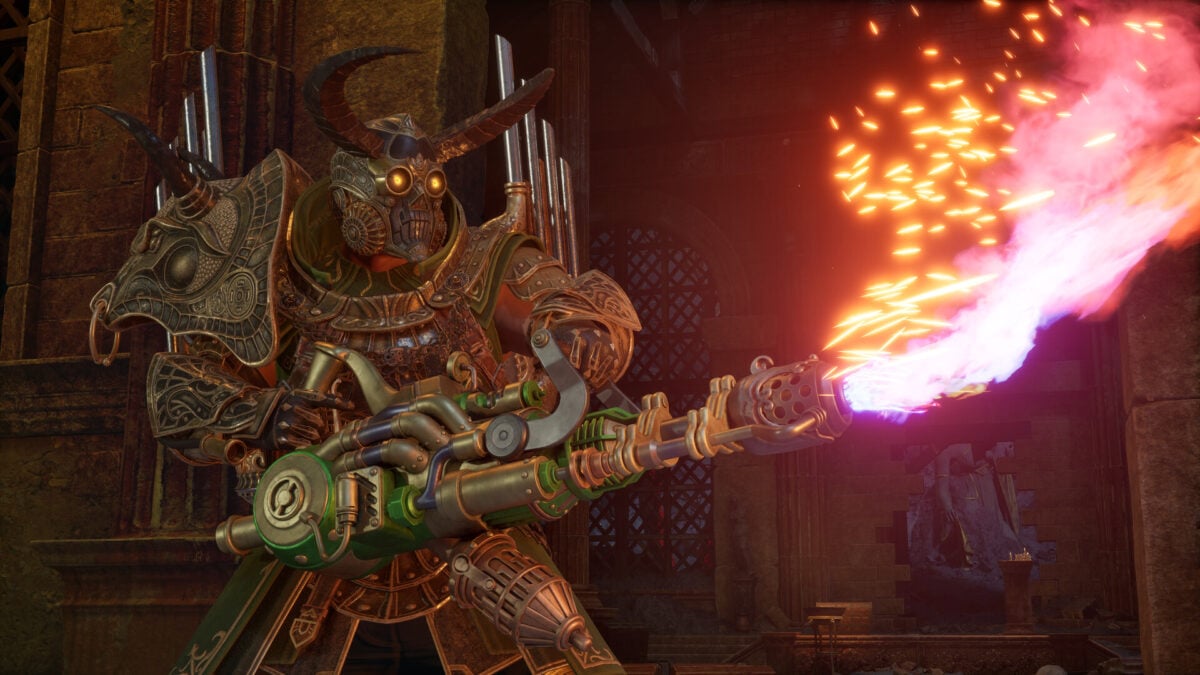
Xbox is pivoting its release strategy to ensure a “reliable pipeline” of console exclusives to drive hardware sales and brand loyalty. According to Xbox Chief Strategy Officer Matthew Ball, the company will maintain strict exclusivity for key titles like Gears of War: E-Day, while reserving cross-platform releases primarily for large-scale live-service and multiplayer games.
Why is Xbox shifting back to exclusive games?
Xbox is attempting to solve a fundamental identity crisis. For several years, Microsoft pushed a “play anywhere” philosophy, landing titles on PlayStation 5 and Nintendo Switch. While this increased reach, it stripped away the primary incentive for consumers to buy Xbox hardware.

CEO Asha Sharma recently described the current state of the Xbox business as needing a “reset.” According to Sharma, the company must establish “exclusive content and services” to remain healthy. This shift is closely tied to the development of Project Helix, the codename for Xbox’s next-generation console. Without “must-have” games, a new console launch risks stalling before it even starts.

Matt Booty echoed this sentiment, stating that the company needs to give people a concrete “reason to get on board with Xbox.” Essentially, Microsoft realized that while software sales are great, platform growth requires a walled garden that players actually want to enter.
Which games will stay exclusive and which will go cross-platform?
Matthew Ball explained to The Game Business that Xbox now operates under a specific internal framework to decide where a game lands. It isn’t a random choice; it’s a strategic split based on the type of game.
The Exclusive Tier: These are games designed to build the brand and reward “historical investment” in the platform. Gears of War: E-Day and Clockwork Revolution are the primary examples. Xbox has been adamant that these are not “timed” exclusives—they are intended to stay on Xbox indefinitely.
The Cross-Platform Tier: This category is reserved for “large, live-service, multiplayer” titles. These games rely on massive player counts to survive, making it counterintuitive to lock them to one console. Additionally, games with pre-existing cross-platform commitments, such as Fable, will still appear on other systems.
This creates a clear divide: single-player, prestige experiences stay home; social, ecosystem-driven games go everywhere.
The risk: Can Xbox afford to ignore other consoles?
This “reset” is a gamble. A few years ago, Xbox moved toward multi-platform releases because it had fallen “wildly far behind” competitors in console sales, according to reports from The Guardian. Microsoft spent billions acquiring studios, but those investments didn’t pay off if the games only reached a small fraction of the gaming population.
The tension here is between reach and prestige. By locking E-Day to Xbox, Microsoft gains brand authority but loses out on millions of potential sales from PlayStation and Switch users. The real test will come after launch. If sales numbers for these exclusives underperform, the resolve to keep them “Xbox only, forever” may waver, as it has in the past.
How does this compare to previous Xbox strategies?
| Strategy Phase | Primary Goal | Release Approach |
|---|---|---|
| The Acquisition Era | Content Volume | Strict Exclusives |
| The Open Shift | Revenue & Reach | Multi-platform/Cross-play |
| The “Reset” (Current) | Hardware Value | Hybrid (Prestige Exclusive / Live-Service Multi) |
Frequently Asked Questions
Are all future Xbox games becoming exclusive?
No. According to Matthew Ball, live-service and multiplayer titles will likely remain cross-platform to maximize their player base.

Which games are confirmed as Xbox exclusives?
Gears of War: E-Day and Clockwork Revolution are currently confirmed as strict exclusives.
What is the “Xbox Reset”?
It is a business pivot led by CEO Asha Sharma to refocus on exclusive content and services to make the Xbox platform more attractive to consumers.
Will Fable be an Xbox exclusive?
No. Matthew Ball explicitly mentioned Fable as a game with existing cross-platform commitments.
What do you think? Does the promise of a few exclusive hits make you more likely to buy the next Xbox, or is the “play anywhere” model the only way forward? Let us know in the comments below or subscribe to our newsletter for more industry deep-dives.