
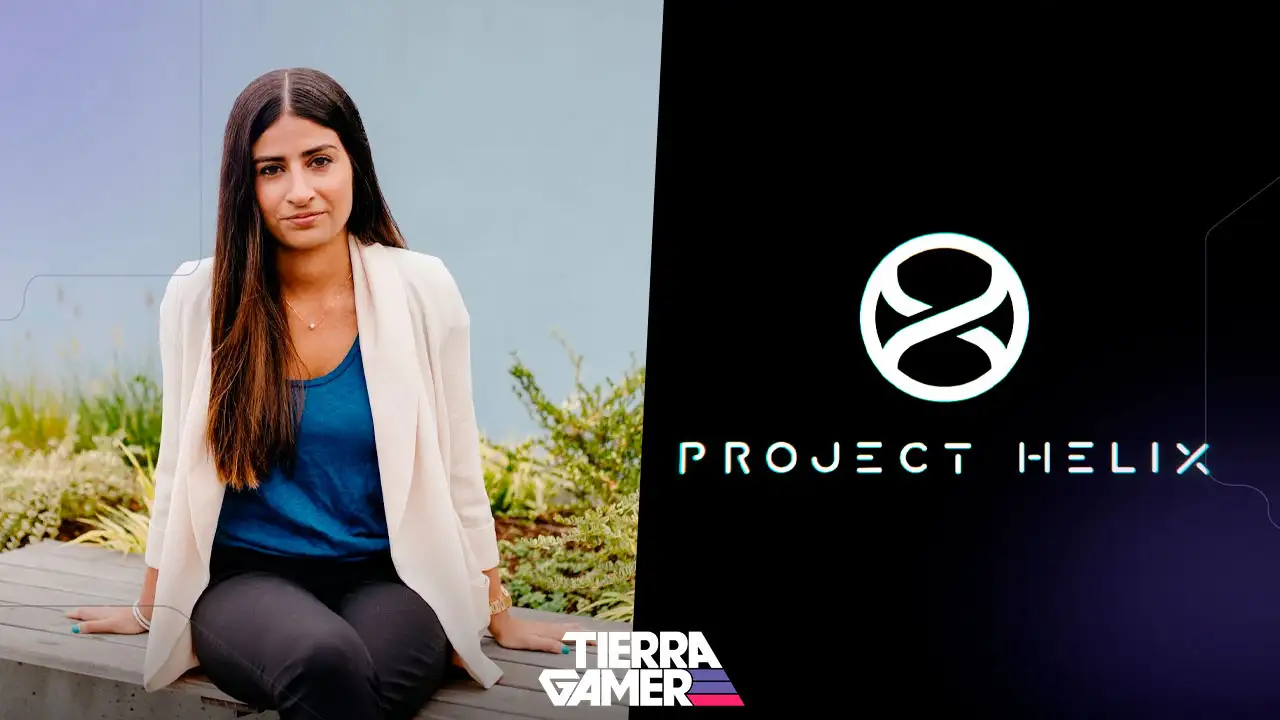
Xbox Rethinks Project Helix Strategy to Prioritize Affordability and Flexibility
Microsoft is currently reevaluating the hardware strategy for its next-generation console, internally codenamed Project Helix, to ensure the device remains accessible and economically sustainable. According to Matthew Ball, head of strategy at Xbox, the company is analyzing new ways to integrate the console into its broader ecosystem, focusing on flexible pricing, subscription models, and production efficiency to avoid the high costs associated with current high-end component manufacturing.
Why is Microsoft rethinking the Project Helix strategy?
The primary driver behind this strategic shift is the rising cost of high-performance hardware components, particularly memory and storage. According to industry reports, Microsoft faces the challenge of delivering a next-generation experience without pricing the console out of the reach of its core demographic. Ball indicated that the company is “rethinking everything possible” regarding the console to prevent it from becoming an exclusionary luxury product. By focusing on a more flexible model, Xbox aims to balance high-end performance with a price point that maintains market share in a volatile economic climate.

The term “Project Helix” refers to a hybrid console vision that intends to bridge the gap between traditional PC gaming architecture and the optimized, plug-and-play experience of an Xbox console.
How will the hybrid console model impact future gaming?
Project Helix is expected to maintain its core identity as a hybrid console that incorporates PC-like elements. This approach, as noted by internal strategy discussions, is intended to offer players greater freedom and compatibility across devices. Unlike previous generations that relied on isolated hardware, the upcoming Xbox iteration seeks to function as a node within a larger ecosystem. This includes potential integration with existing subscription services, cloud-based gaming, and expanded backward compatibility, ensuring that the transition to new hardware is less disruptive for existing users.
What are the main risks for Xbox in the current market?
The main risk for Microsoft lies in the balance between performance and consumer adoption. Market analysis suggests that if the final hardware is too expensive, it will struggle to gain a foothold against competitors. Conversely, a device that is too “flexible” or underpowered risks confusing the consumer base. Microsoft’s challenge, according to industry observers, is to avoid the pitfalls of past console generations where high entry barriers limited initial player growth. The company is currently weighing these factors to determine whether to prioritize pure raw power or a more inclusive, tiered approach to hardware delivery.
Comparison: Traditional Hardware vs. The Ecosystem Approach

| Feature | Traditional Console | Project Helix Vision |
|---|---|---|
| Hardware Focus | Closed, proprietary | Hybrid, PC-integrated |
| Pricing Strategy | Fixed MSRP | Flexible/Subscription-backed |
Frequently Asked Questions
- Is Project Helix cancelled? No. Official statements indicate that Microsoft remains committed to releasing new hardware, though the specific configuration is being adjusted for better market fit.
- Will the new console support PC games? Yes. A key pillar of the Project Helix vision is its hybrid nature, designed to bridge the gap between PC and console gaming ecosystems.
- How will Microsoft keep the price down? While not fully confirmed, strategies include potential financing options, integrated service bundles, and flexible hardware configurations.
What do you think is the best path forward for Xbox? Should Microsoft prioritize raw power at a higher price, or a more accessible, budget-friendly machine? Share your thoughts in the comments below or subscribe to our newsletter for the latest updates on console hardware trends.