

Xi and Trump: Forging a Global AI Accord to Avoid CyberMAD
The New Superpower Calculus: Can Trump and Xi Avert a ‘CyberMAD’ Future?
History often pivots on the interactions between two men at the apex of power. As we look at the post-summit landscape between President Donald Trump and President Xi Jinping, the focus has moved beyond the usual geopolitical theater. Beneath the surface of choreographed handshakes and performative displays of domestic strength lies a profound, quiet shift: the first-ever intergovernmental dialogue on Artificial Intelligence.
While pundits argue over who “won” the summit, the real story is the attempt to avoid a digital version of the Cold War’s most terrifying doctrine: Mutually Assured Destruction. We are moving toward a potential era of CyberMAD, where the weaponization of AI could prove as destabilizing as the nuclear arms race of the 1980s.
From NuclearMAD to CyberMAD: The Stakes of AI Governance
In 1986, Ronald Reagan and Mikhail Gorbachev met in Reykjavík with the hope of eliminating nuclear weapons. They failed, yet their dialogue paved the way for future arms control. Today, Trump and Xi are grappling with a different beast. AI is not just a weapon; it is an infrastructure that underpins the global economy, cybersecurity and social stability.
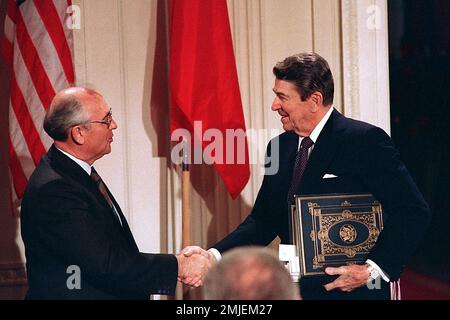
The current intergovernmental dialogue represents a critical attempt to create “guardrails” for frontier models. As noted in recent Council on Foreign Relations analysis, the goal is not to stop innovation, but to manage risks—such as autonomous weapon systems and the exploitation of cybersecurity vulnerabilities that even the most advanced models, like GPT-5.5, have begun to uncover.
The Power of the ‘Frenemy’ Dynamic
Why might this deal succeed where others fail? The answer lies in the peculiar, mirrored leadership styles of the two men. Both leaders share a “realist” philosophy: they only respect power, and they only negotiate with those they perceive as equals.
The summit was marked by classic power signaling. When the American delegation discarded all non-organic technology before leaving Beijing, it was a blunt message regarding national security. Conversely, Beijing’s firm stance on regional sovereignty serves as a reminder that domestic power remains the bedrock of their negotiating position. Yet, despite these “lions roaring in the wild,” both leaders recognize that an unchecked AI arms race serves no one.
Why AI Cooperation is Essential for Global Stability
The rationale for a bilateral accord is simple: if the two largest economies in the world do not agree on the rules of the road, the “governance gap” will be filled by non-state actors and malicious entities. An AI-safe world requires:

- Transparency in Autonomous Systems: Ensuring that AI-driven infrastructure doesn’t trigger accidental escalations.
- Shared Safety Protocols: Preventing the misuse of powerful models by groups seeking to exploit systemic vulnerabilities.
- Mutual Enforcement: Leveraging domestic control to ensure that national AI policies are actually implemented at the corporate level.
Frequently Asked Questions
What is the primary goal of the US-China AI dialogue?
The goal is to establish a formal channel for communication to manage the risks associated with rapid AI development, specifically preventing the weaponization of AI and protecting critical infrastructure from cyber threats.
Why is this being compared to the Cold War?
The comparison stems from the “NuclearMAD” era, where the two superpowers had to negotiate to prevent total destruction. Today, the fear is that AI could lead to “CyberMAD,” where unpredictable technological advancements make global conflict more likely.
Will this lead to a total halt in AI competition?
Unlikely. The dialogue is focused on governance and safety guardrails rather than halting development. Both nations intend to remain leaders in AI, but they are seeking to ensure that the competition does not become catastrophic.
What do you think? Is a “rules-based” order for AI possible in an era of intense geopolitical rivalry? Share your thoughts in the comments below or subscribe to our newsletter for deep-dive analysis on the future of tech and statecraft.