

Xi Jinping and Kim Jong Un Reaffirm China-North Korea Strategic Alliance
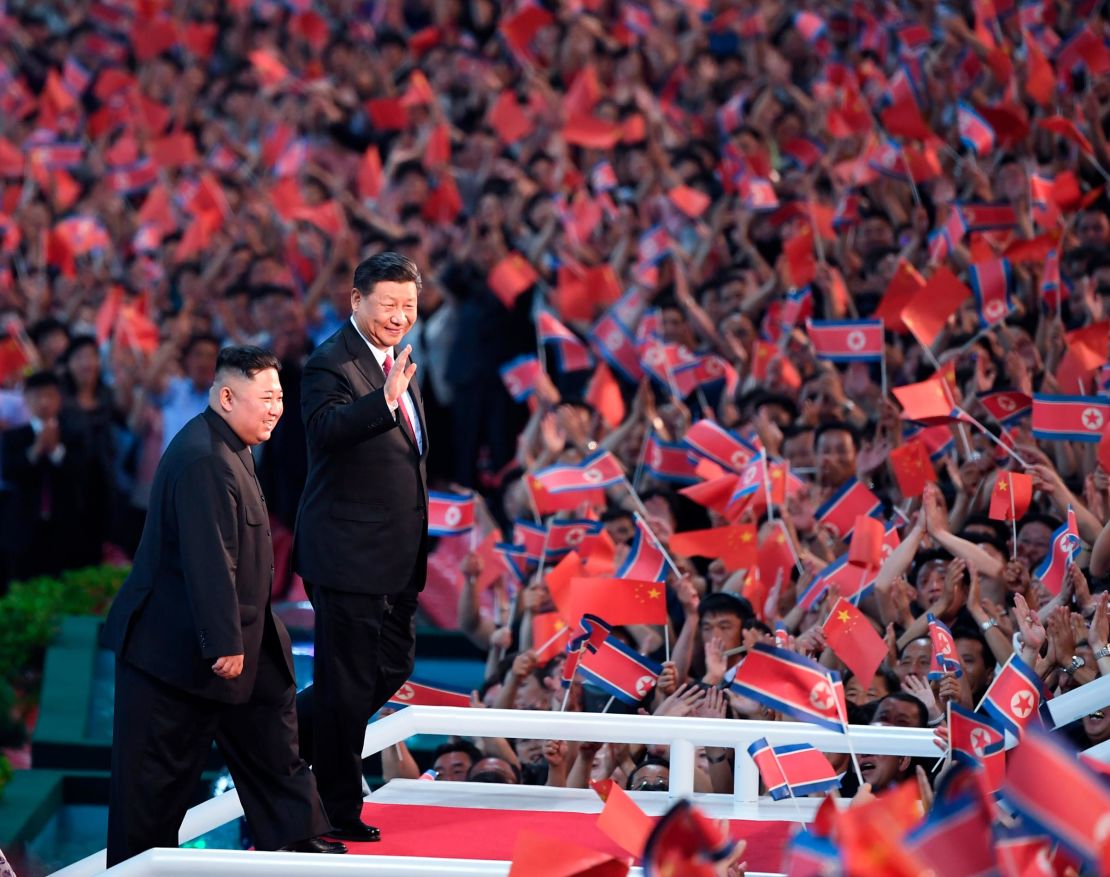
Chinese President Xi Jinping and North Korean leader Kim Jong Un reaffirmed their bilateral alliance during a two-day summit in Pyongyang this week. The meeting marked President Xi’s first visit to North Korea in nearly seven years, during which both leaders emphasized strategic cooperation while notably omitting public mention of North Korea’s nuclear weapons program.
Did You Know? President Xi Jinping’s recent visit to Pyongyang occurred just after his summit with President Trump in Beijing, where the White House stated both sides shared a goal of denuclearizing North Korea, a claim not publicly echoed by Beijing.
Shifting Priorities in the Beijing-Pyongyang Alliance
The absence of public dialogue regarding North Korea’s nuclear program represents a shift in diplomatic signaling. According to Tong Zhao, a senior fellow at the Carnegie Endowment for International Peace, China appears to be prioritizing bilateral relations over nuclear containment. Zhao suggests that Beijing has made a significant policy change to tacitly accept the reality of a nuclear-armed North Korea.
This development follows recent moves by Pyongyang to signal the permanence of its nuclear status. North Korea recently unveiled a new nuclear bomb fuel plant and announced plans to increase its arsenal at an exponential rate. While the U.S. maintains that denuclearization remains a shared goal, Kim Jong Un’s sister has publicly dismissed that assertion as false.
Expert Insight: The realignment of these two powers reflects a move away from the “dual-track” approach favored as recently as 2023, which sought to balance denuclearization with a peace regime. As U.S. alliances with Japan and South Korea strengthen, China and Russia have pivoted toward criticizing U.S. sanctions, creating a more transactional alignment rather than a formal institutional bloc.
Strategic Implications for Regional Security
Analysts suggest the alliance between China and North Korea may be expanding beyond the peninsula. Choo Jaewoo, a foreign policy expert at Kyung Hee University, notes that the rhetoric from both leaders implies a desire to involve their partnership in wider regional flashpoints, potentially including Taiwan. Kim Jong Un has explicitly framed his country’s role as a contributor to a “fair and just international order,” mirroring language used by Beijing and Moscow to challenge the U.S.-led global structure.
The geopolitical landscape is shifting as both nations navigate their roles. While some observers categorize this as the formation of a “CRINK” bloc—including China, Russia, Iran, and North Korea—Seong-hyon Lee of Harvard University’s Asia Center argues the arrangement remains a loose alignment rather than a formal, rigid alliance.
What May Happen Next
The strengthened ties between Beijing and Pyongyang could influence the security posture of U.S. allies. Analysts like Tong Zhao suggest that China’s tacit acceptance of a nuclear North Korea may prompt Japan and South Korea to further tighten security relations with Washington. Meanwhile, the U.S. and South Korea are already discussing “alliance modernization,” a process intended to shift U.S. military focus toward deterring China while allowing South Korean forces to take the lead in regional defense against the North.
Frequently Asked Questions
Why did President Xi not mention denuclearization in Pyongyang?
According to Tong Zhao, China appears to be downplaying the issue to prioritize improving bilateral relations, signaling a shift toward tacitly accepting the reality of a nuclear-armed North Korea.
Is the alliance between China and North Korea formal?
Seong-hyon Lee of Harvard University’s Asia Center describes the current arrangement as a loose alignment rather than a formal or institutionalized alliance.
How has the approach to the Korean Peninsula changed since 2023?
In 2023, China and Russia supported a “dual-track” approach for denuclearization and a peace regime. By 2024, both nations largely abandoned this, focusing instead on criticizing U.S. sanctions and military pressure on North Korea.
How might the deepening military cooperation between China and North Korea influence future diplomatic efforts in the region?