
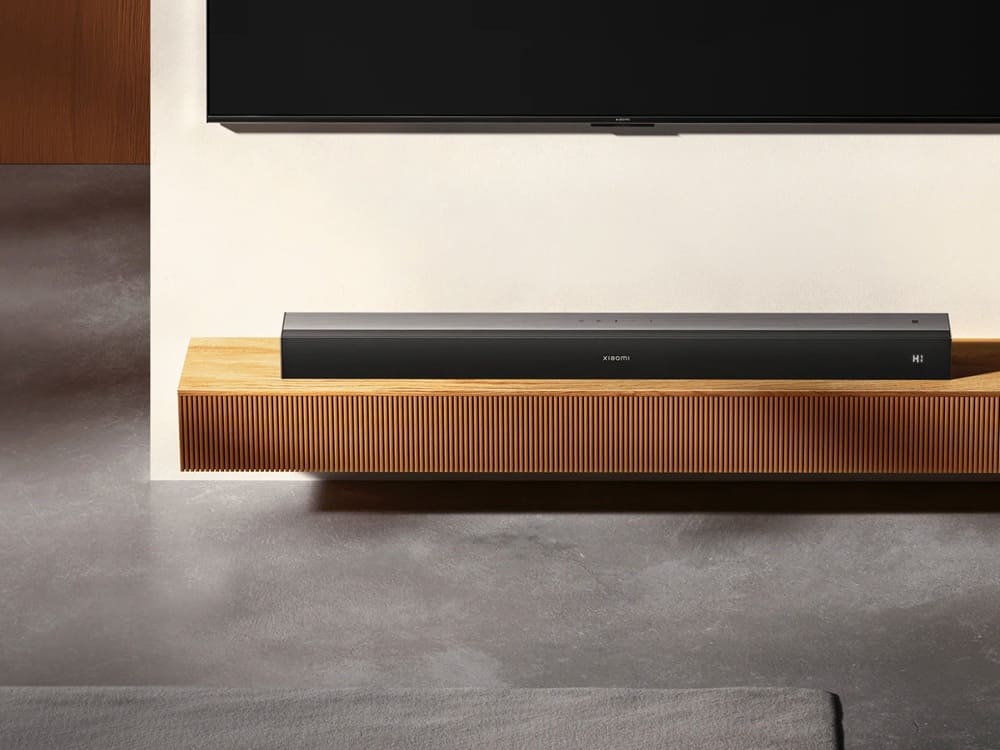
Xiaomi Soundbar Pro 2.0 ch: Affordable TV Audio Upgrade with Dolby Audio
The Rise of “Functional Audio”: Why More Isn’t Always Better
For years, the home audio market was driven by a “more is more” philosophy. Bigger subwoofers, more channels, and complex wiring were the hallmarks of a quality setup. However, we are witnessing a pivotal shift toward functional audio—devices that prioritize clarity, ease of use, and space efficiency over raw power.
The recent push toward affordable 2.0 channel systems, such as those seen in Xiaomi’s latest budget offerings, signals a broader trend. Consumers are no longer just looking for “cinema at home”. they are looking for “better than the TV” audio. This “good enough” revolution is democratizing sound quality for the average user who doesn’t want to turn their living room into a cable nightmare.
Industry data suggests a growing preference for streamlined setups in urban environments. As apartment sizes shrink, the demand for compact, high-performance bars that fit seamlessly under a screen is outpacing the demand for bulky 5.1 surround systems.
The Death of the Bulky Subwoofer? The Shift Toward Minimalism
The debate between 2.0 and 2.1 systems usually centres on the bass. While a dedicated subwoofer provides that “thump” in the chest during an explosion, it also requires floor space and often creates complaints from neighbors in multi-story buildings.
We are moving toward an era of acoustic optimization. Instead of adding a separate box, manufacturers are focusing on better transducers and digital signal processing (DSP) to squeeze more depth out of smaller drivers. The goal is to provide a balanced soundstage where dialogue is crisp and mid-tones are rich, without the need for a 10-inch woofer taking up half the room.
This trend mirrors the shift we saw in the smartphone industry: we stopped adding more physical buttons and started optimizing the software to do more with less. In audio, In other words using software to simulate depth and presence.
Space Constraints and Urban Living
In cities like London, New York, or Tokyo, square footage is a luxury. A sleek 2.0 bar that offers 80W+ of power provides a massive upgrade over integrated TV speakers—which are often thin and tinny due to the slim profiles of modern OLEDs—without compromising the room’s aesthetics.
For more on how to optimize your small space, check out our guide on maximizing audio in small apartments.
Connectivity as the New Feature War
In the past, “premium” meant gold-plated connectors. Today, premium means frictionless connectivity. The inclusion of NFC, Bluetooth, and HDMI in entry-level devices shows that the battle has shifted from hardware specs to user experience (UX).
The ability to tap a phone via NFC to instantly stream music to a TV soundbar transforms a piece of home cinema gear into a versatile home speaker. This convergence is essential as our devices become more interconnected.
Looking forward, You can expect the integration of more “Matter” or “Thread” protocols, allowing budget soundbars to communicate flawlessly with smart home ecosystems regardless of the brand. The barrier between “budget” and “smart” is disappearing.
Democratizing the Cinema Experience
The trickling down of technologies like Dolby Audio to sub-$100 devices is a game-changer. While a budget bar won’t replace a dedicated Atmos theatre, the processing power allows for a wider soundstage and better compatibility with streaming services like Netflix and Disney+.
We are seeing a shift where the “entry-level” is no longer synonymous with “poor quality.” Instead, it’s becoming “essential quality.” By focusing on the most critical elements—clear dialogue and sufficient volume—brands are capturing a massive segment of the market that previously ignored external audio entirely.
For a deeper dive into audio standards, you can explore the official Dolby Laboratories documentation on how audio processing works.
Frequently Asked Questions
Is a 2.0 soundbar enough for movies?
Yes, for most users. While you lose the deep bass of a subwoofer, a 2.0 system significantly improves dialogue clarity and overall volume compared to built-in TV speakers.
What is the difference between HDMI and Optical connections?
HDMI generally supports higher bandwidth and can often be controlled via the TV remote (HDMI-CEC), while Optical is a universal standard that works with almost any digital audio device but lacks some of the advanced control features.
Does NFC actually matter for a soundbar?
It removes the hassle of searching for Bluetooth devices in a list. A simple tap pairs your phone instantly, making the soundbar more viable as a casual music speaker.
What do you think?
Are you team “Minimalist 2.0” or do you still crave the rumble of a dedicated subwoofer? Let us know in the comments below or subscribe to our newsletter for the latest in home tech trends!