
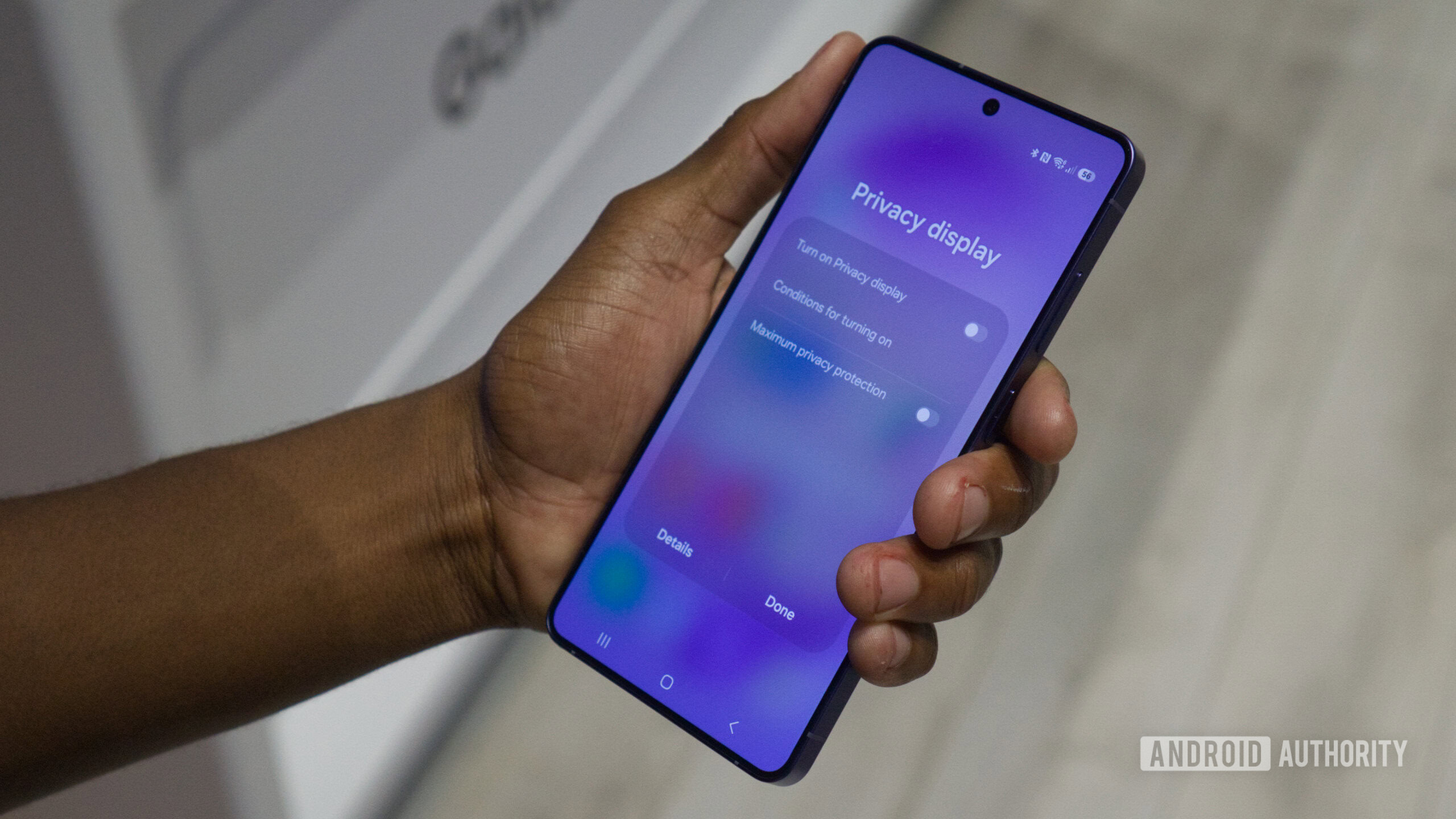
Xiaomi Working on Samsung-Style Privacy Display for Hyper OS 4
The End of Shoulder Surfing? Why Your Next Xiaomi Phone Might Get a Privacy Upgrade
In our increasingly connected world, privacy is becoming the ultimate luxury. Whether you are catching up on emails during a cross-country flight or handling sensitive banking data in a crowded coffee shop, the fear of “shoulder surfing”—the act of someone peering over your shoulder to read your screen—is a very real concern.
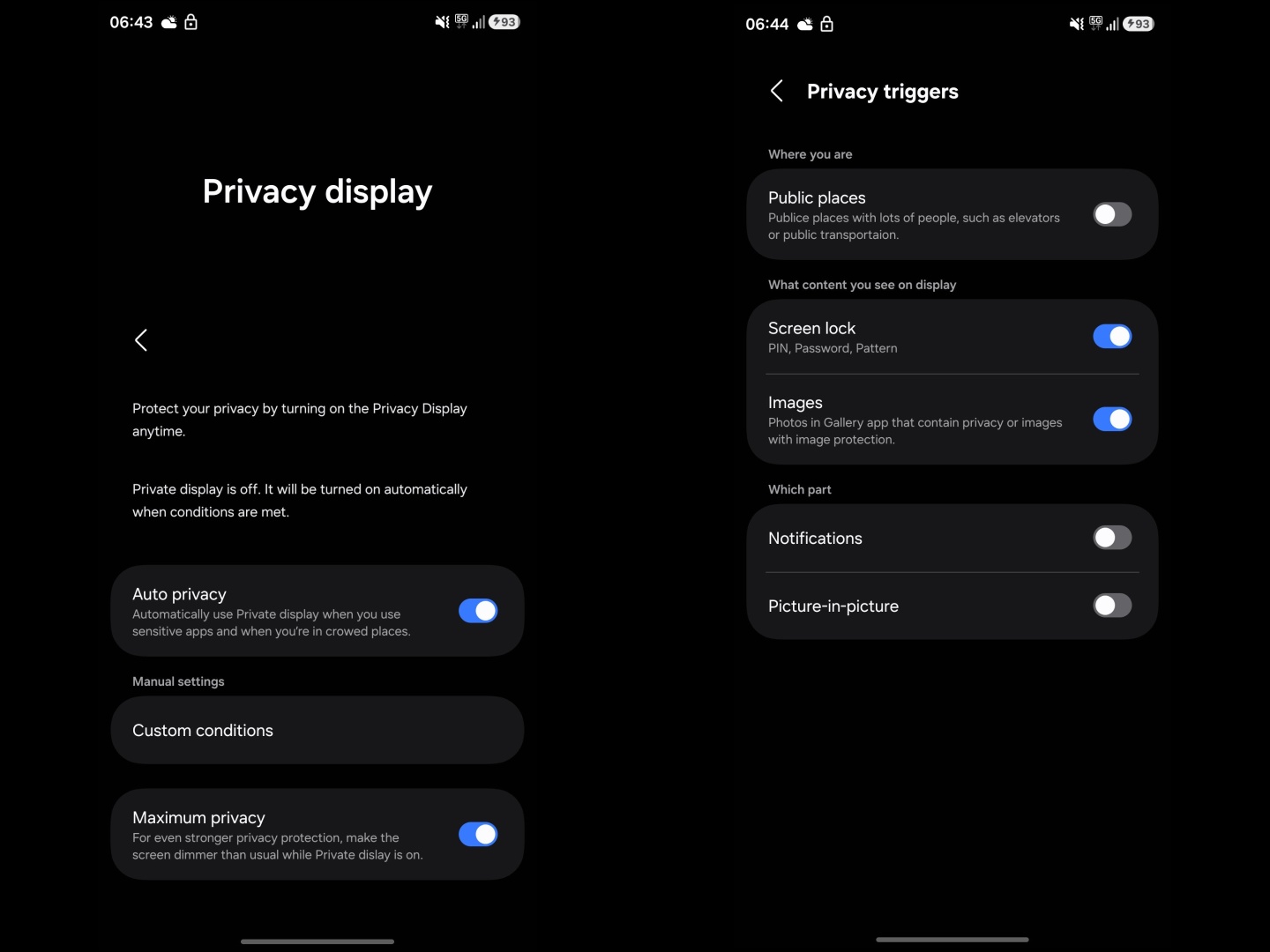
Samsung recently made headlines with its hardware-driven “Privacy Display” technology on the Galaxy S26 Ultra. Now, rumors are swirling that Xiaomi is preparing to follow suit. But while the goal is the same, the execution could redefine how we secure our mobile devices.
Hardware vs. Software: The Battle for Screen Privacy
Samsung’s approach relies on “Flex Magic Pixel” technology, a hardware-level innovation that physically restricts viewing angles. While impressive, this method has faced scrutiny; some users have reported issues with display brightness and eye strain, suggesting that pushing pixels to their physical limits might come at a cost to visual comfort.

Leaked reports suggest that Xiaomi is taking a different path with its upcoming HyperOS 4 update. By leaning into a software-based “Privacy Display” feature, Xiaomi could potentially avoid the brightness trade-offs associated with physical display modifications. This mirrors the classic “Privacy Shade” apps we saw in the early days of Android, but with the deep system-level integration that only a proprietary OS can provide.
Why Software-Driven Privacy Wins on Versatility
The most compelling argument for a software-based solution is accessibility. If Xiaomi rolls this out as a standard feature in HyperOS 4, it could theoretically reach millions of existing users through a simple firmware update. This is a massive shift from the hardware-locked approach, which forces consumers to purchase the latest flagship model to access security features.
a software implementation allows for dynamic control. Imagine a feature that automatically triggers a “privacy filter” only when the front-facing camera detects a second face, or when you open specific apps like your banking portal or encrypted messaging platforms.
The Future of Mobile Security Trends
We are moving toward a future where privacy is no longer just about passwords and encryption; it is about physical environment awareness. As mobile devices become our primary workstations, we can expect to see:
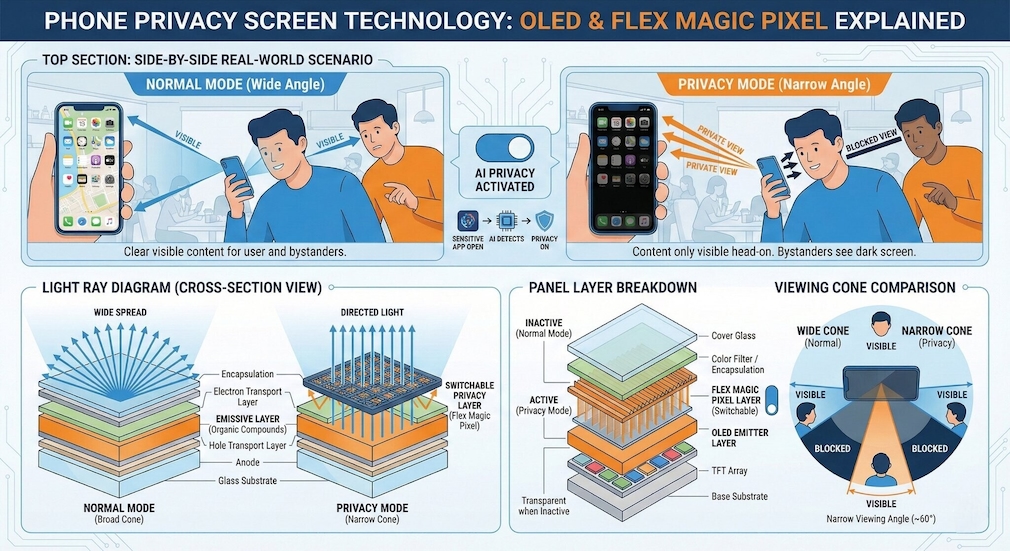
- Context-Aware Displays: Screens that adjust their visibility based on ambient light and proximity sensors.
- AI-Driven Peeker Detection: Using front-facing AI to blur the screen the moment an unauthorized person is detected in your field of view.
- Biometric Integration: Seamlessly locking specific notification content until the device confirms it is *you* looking at the screen.
Frequently Asked Questions (FAQ)
- Will a software privacy feature work as well as hardware?
- Hardware solutions are generally more effective at blocking physical viewing angles, but software solutions offer greater flexibility and don’t negatively impact screen brightness or color accuracy.
- Can I get this feature on my current phone?
- If Xiaomi releases this as part of HyperOS 4, it will likely be available to supported devices receiving the update. Older models may or may not be included depending on hardware limitations.
- Does a privacy screen affect battery life?
- A software-based privacy filter is essentially a digital overlay. While it uses minimal processing power, it is significantly more efficient than constant hardware-based display manipulation.
What is your take on screen privacy? Do you prefer the high-tech hardware approach found on the latest flagships, or would you rather have a flexible software tool that works on any device? Let us know your thoughts in the comments below!
Want more deep dives into the latest mobile tech? Subscribe to our newsletter for weekly updates, or check out our latest smartphone reviews to stay ahead of the curve.