
Yoga for Arm Strength: Best Poses and Exercises
Maintaining upper body strength is essential for managing daily tasks, from carrying groceries to lifting suitcases without strain. While traditional weightlifting is often the first choice for building muscle, yoga offers an effective alternative for toning and sculpting the arms.
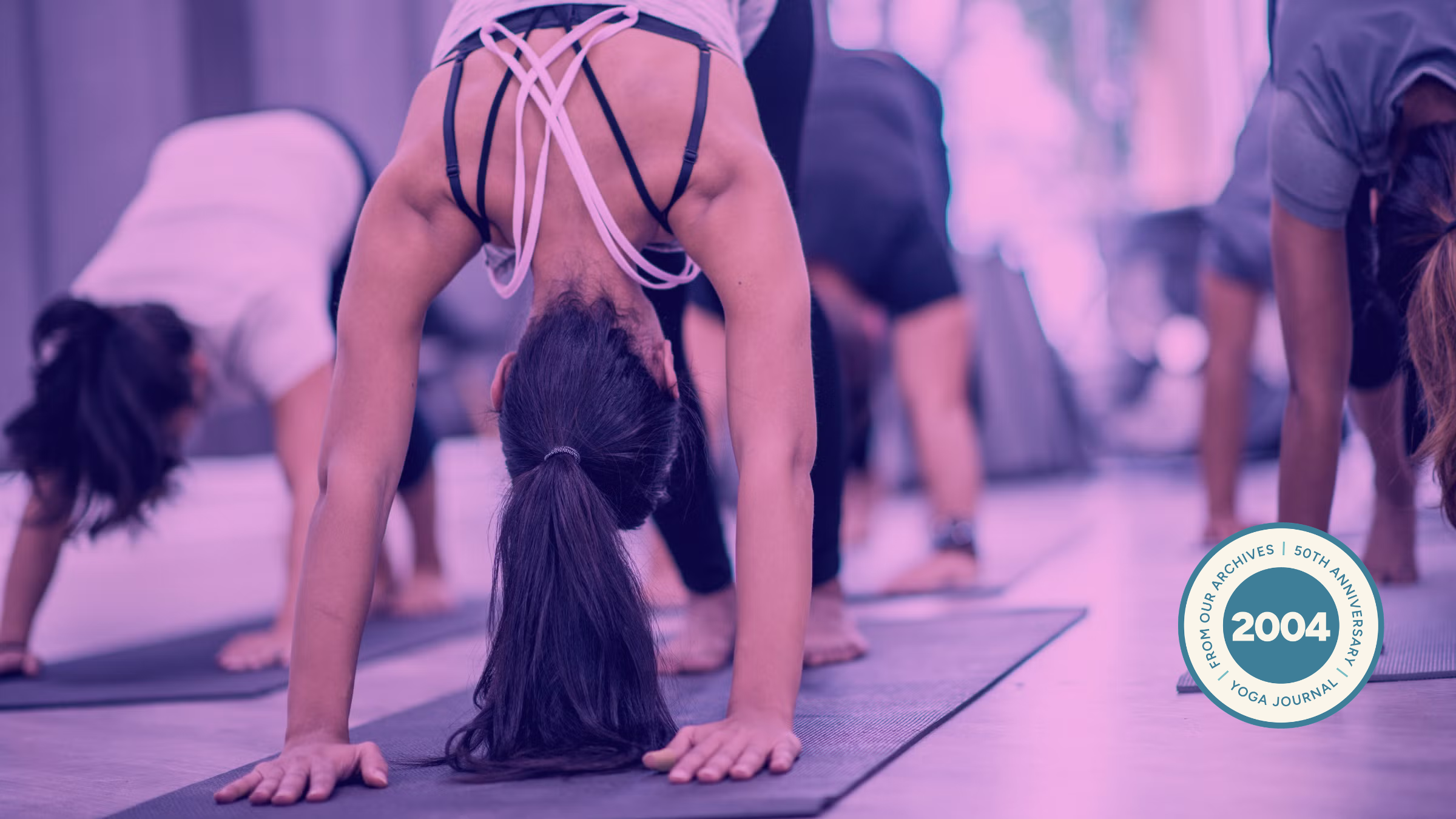
Any posture where the palms serve as a foundation to support body weight can strengthen the shoulders and arms. Standing postures that require the arms to resist gravity contribute to overall arm development.
The Mechanics of Arm Strength
Three primary muscle groups drive most everyday activities: the biceps, triceps, and deltoids. The biceps handle bending the elbows, the triceps facilitate straightening the arms, and the deltoids manage lifting and rotating the arms.

Weightlifting typically relies on concentric contractions, where muscles shorten to create explosive strength. This is the type of power needed for quick actions, such as scooping up a child.
Yoga utilizes a combination of conditioning. Moving between poses, such as from Plank to Chaturanga, involves both concentric and eccentric contractions. However, holding a pose focuses on isometric work, where the muscle is activated without changing length.
Integrating Yoga and Weight Training
Combining yoga with a free-weight routine can create a synergistic effect. Exercises like biceps curls, triceps kickbacks, and military presses target isolated muscle groups, which may increase overall body awareness.
Lauren Eirk, a national fitness and yoga educator, notes that yoga can lengthen muscles, potentially allowing practitioners to lift heavier weights. Conversely, weight training provides the strength necessary for advanced postures like the Handstand.
This combination may make it easier to maintain challenging poses for longer periods. By integrating meditative awareness and breath into weight sessions, the practise becomes more holistic.
Strategies for Progression and Safety
To build strength, practitioners can alternate their approach. One day may focus on holding poses as long as possible, while another day involves moving through a series like the Sun Salutation.
Advanced practitioners may progress to Headstands or Handstands to further challenge the shoulders. It is recommended that Headstands be learned from an experienced teacher to ensure neck safety.
Recovery is critical, as muscles typically require 24 to 48 hours to recover from strength-building sessions. Taxing the arms and shoulders daily could lead to injury rather than growth.
Adaptability Across Ages
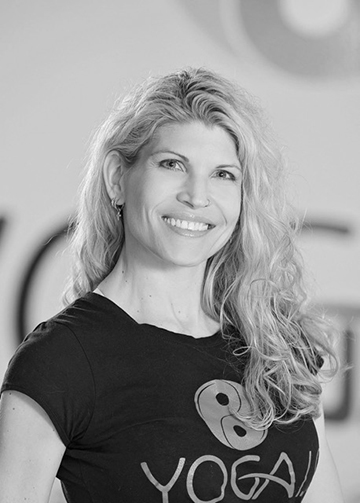
Strength training is accessible regardless of age or initial fitness level. Yoga instructor Leigh Crews emphasizes the use of modified postures to help students progress gradually.
Through consistent, slow progression, seniors have demonstrated the ability to move from modified versions of a pose to full executions, such as the Side Plank.
Recommended Poses for Arm Strength
Certain asanas are particularly effective for upper body development. The Half Handstand with Wall builds power in the arms and core, while the Plank to Chaturanga sequence targets the chest, triceps, and anterior deltoids.
Downward-Facing Dog focuses on the triceps and deltoids, while Side Plank strengthens the shoulder girdle. To increase intensity, practitioners may try “yoga push-ups” or modify hand positions during Chaturanga to engage the biceps.
Looking ahead, those who consistently combine these methods may find it easier to master complex arm balances. A possible next step for practitioners could be the integration of more frequent transitions between Plank and Side Plank to increase shoulder stability.
Frequently Asked Questions
Which muscles are most important for everyday arm activities?
The biceps, triceps, and deltoids are the three most important muscles for daily tasks.
How long should you wait between arm-strengthening sessions?
Muscles need 24 to 48 hours to recover. it is advised not to focus on the arms two days in a row.
Can yoga be as effective as weightlifting for arm strength?
Some yogis argue that yoga can tone and sculpt the arms as effectively as traditional strength exercises, particularly through isometric work and weight-bearing postures.
How do you balance strength and flexibility in your own fitness routine?