

You Can Do Something About Your Dementia Risk
Age-specific dementia rates in wealthy nations have fallen roughly 13% per decade since the late 1980s, according to reporting by Bryan Walsh. While U.S. annual cases could top 1 million by 2060 due to an aging population, an individual at any given age is now less likely to develop the condition than a person of the same age a generation ago.
Why are dementia rates falling?
Better cardiovascular health is a primary driver of the decline. Bryan Walsh attributes the improvement to a combination of improved stroke care, reduced smoking, and the widespread use of cholesterol and blood pressure medications.
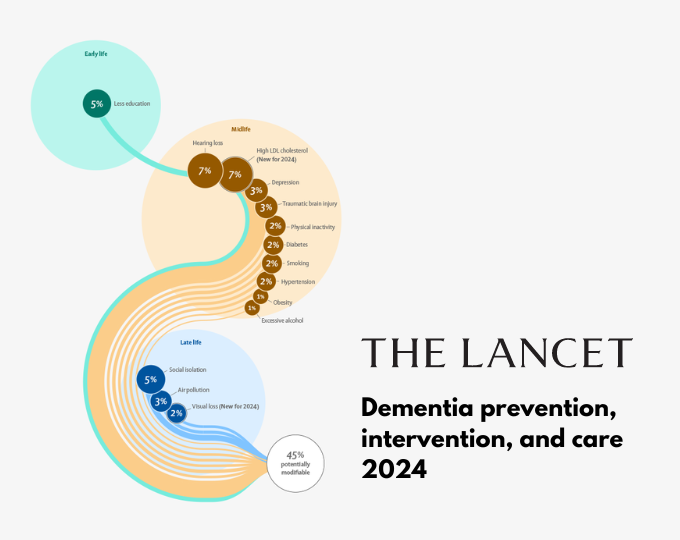
Education also plays a role. Research has linked more years of schooling to a lower risk of dementia, though the specific reasons for this correlation have not been pinpointed.
What factors can prevent or delay dementia?
A 2024 Lancet commission estimated that addressing 14 midlife risk factors might prevent or delay up to 45% of dementia cases. These factors include inactivity, hearing loss, and high LDL cholesterol.
Recent evidence also suggests a potential link between vaccinations and brain health. Bryan Walsh notes early evidence that the shingles vaccine may reduce the risk of developing dementia.
What happens next for dementia risk?
Total cases in the U.S. are likely to increase as the population continues to gray. This demographic shift could lead to more than 1 million new cases annually by 2060.
However, the trend suggests that individual risk may continue to decline if midlife risk factors are managed. Bryan Walsh indicates that while some people will undoubtedly develop the condition, patients are not helpless.
Frequently Asked Questions
Will more Americans develop dementia in the future?
Yes. Due to a graying population, new dementia cases in the U.S. could exceed 1 million per year by 2060.
How much of dementia is preventable?
A 2024 Lancet commission estimated that tackling 14 midlife risk factors, such as inactivity and high LDL, might prevent or delay up to 45% of cases.
Does education affect dementia risk?
Yes. Research has linked increased years of schooling to a lower risk of developing the condition.
Do you believe midlife health changes are the most effective way to combat future dementia risk?