
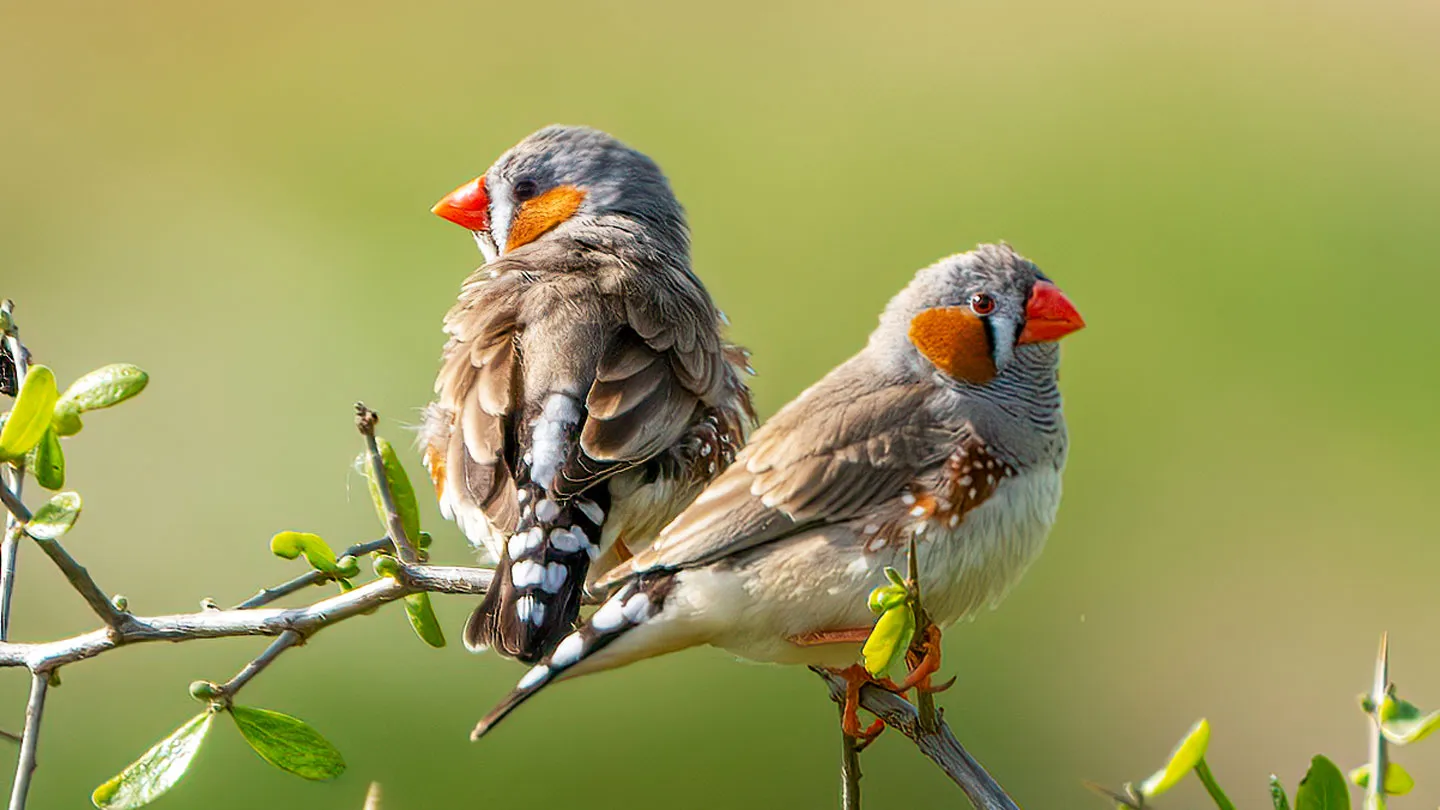
Zebra Finch Heat Calls Prepare Embryos for Hot Weather
Adult zebra finches use a rapid, peeping “heat call” to trigger genetic changes in the brains of unhatched embryos, according to a June 11 report in the Journal of Experimental Biology. This acoustic signal prepares chicks for high temperatures by modifying blood flow in the brain to prevent heat stroke.
Behavioral ecologist Mylene Mariette of Deakin University and neuroscientist Julia George of Clemson University found that these calls act as a physiological forecast. The signal allows developing birds to adjust their biology before they emerge from the egg into the Australian woodlands.
How do heat calls change a finch’s brain?
The heat calls target the hypothalamus, a brain region that regulates metabolism and heat responses. Researchers discovered the calls dampen genes that control how blood vessels in the brain contract and dilate, which helps the birds dissipate heat.

Julia George noted that keeping the brain cool during high temperatures is critical to protecting against ailments like heat stroke. The researchers found that this impact is highly specific, affecting only about 2 percent of the RNA in the hypothalamus.
What are the long-term effects of these acoustic signals?
The biological changes triggered in the egg persist throughout the bird’s life. According to Julia George, birds exposed to heat calls as embryos will choose warmer nest sites as adults.
This permanent shift in behavior has reproductive consequences. George stated that these birds produce more offspring when nesting in those warmer environments.
How does this compare to other bird species?
Sound-triggered preparation is not unique to zebra finches, though the mechanisms differ. Yellow-legged gulls that hear predator warning calls in the egg grow more slowly and are more likely to crouch when hearing those calls after hatching.
Alexandra Cones, an evolutionary behavioral ecologist at Ludwig Maximilian University of Munich, noted that adult house sparrows can also change how their chicks’ metabolisms respond to temperature. However, the exact mechanism for house sparrows remains unknown, unlike the specific vascular changes found in zebra finches.
What may happen next in avian research?
The discovery of the acoustic-to-thermal pathway may lead researchers to investigate other species for similar adaptations. Julia George suggested that a “playlist” of other heat-busting birdsongs could exist and may be discovered in future studies.

Researchers may also look for other genetic and cellular pathways that allow birds to adapt to temperature changes on the fly, as suggested by the work of Alexandra Cones.
Frequently Asked Questions
What is a zebra finch “heat call”?
It is a high-pitched, rapid peeping signal made by adult birds in response to hot weather in Australian woodlands.
Which part of the brain does the call affect?
The call affects the hypothalamus, specifically dampening genes that regulate the contraction and dilation of blood vessels to help dissipate heat.
Are the effects of the heat call temporary?
No. Some consequences are permanent, influencing the birds’ nesting site preferences and offspring production in adulthood.
Do you think other animal species use similar sound-based signals to prepare their young for environmental stress?