

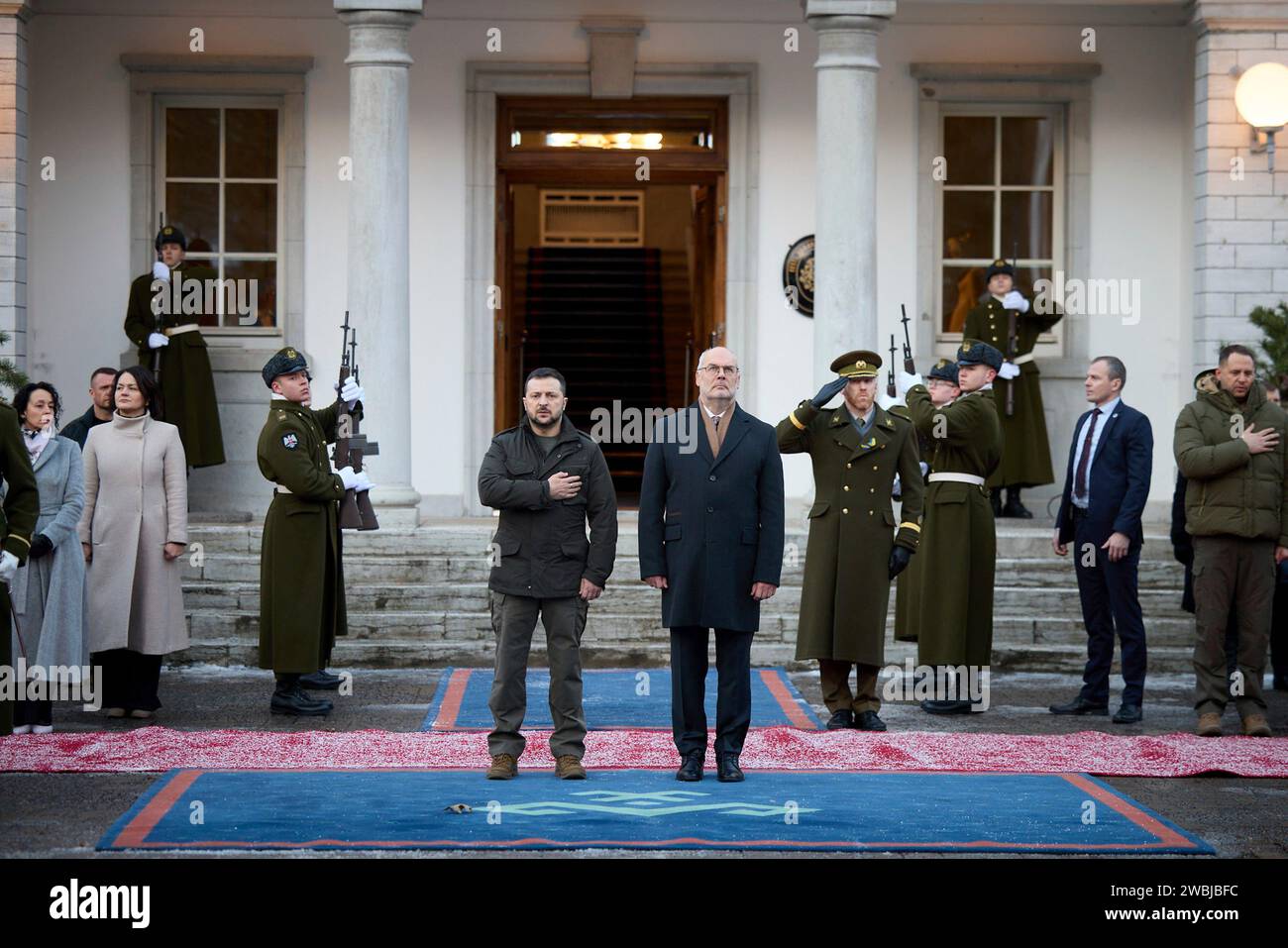
Zelenskyy arrives in Estonia to attend Nordic-Baltic summit
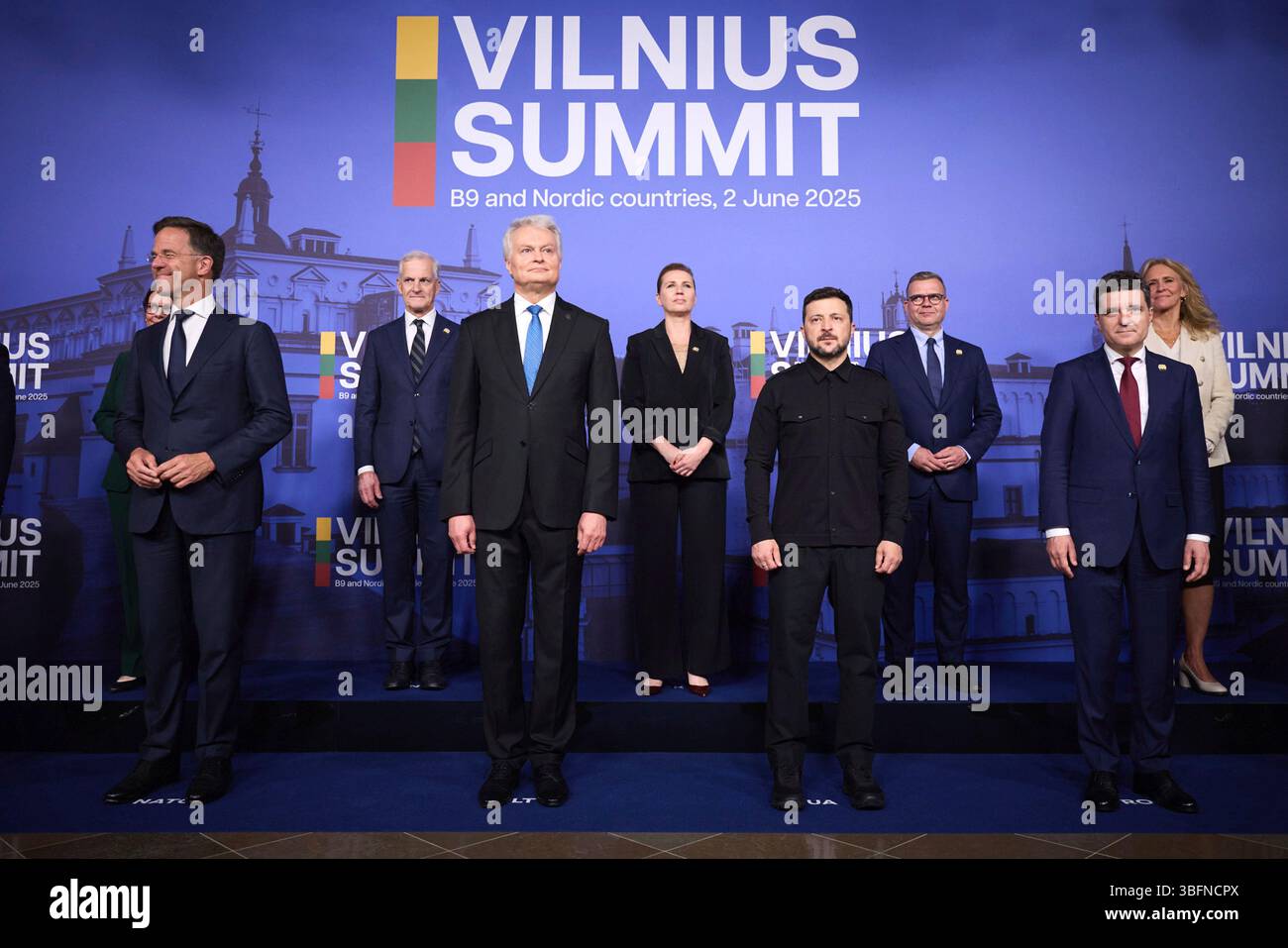
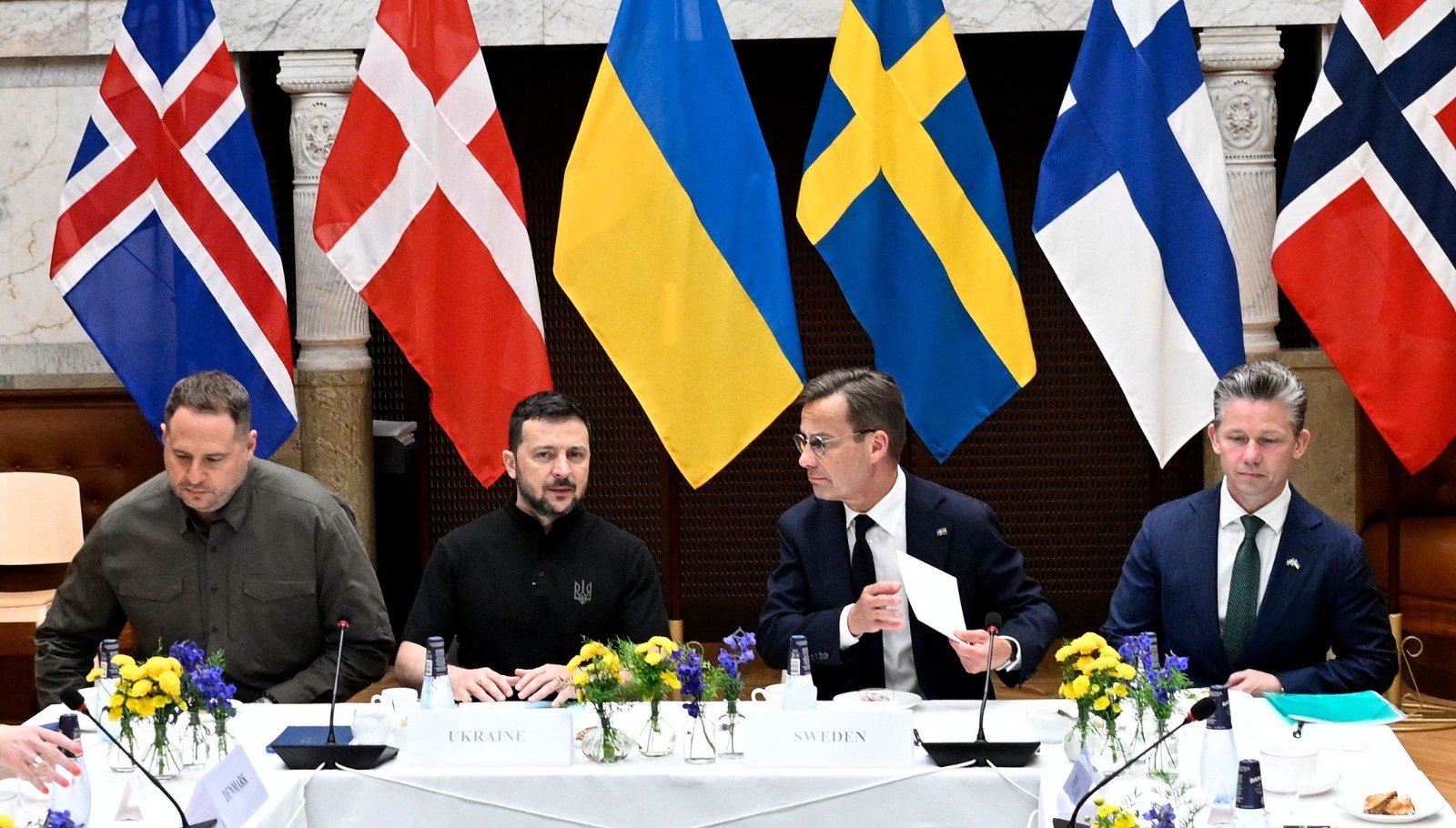
Ukrainian President Volodymyr Zelenskyy’s recent visit to Tallinn, Estonia, marks a strategic consolidation of support from the Nordic-Baltic Eight (NB8) bloc. As the region navigates rising security threats, the summit highlights a hardening stance against Russian aggression and a shift toward long-term economic and military integration between Ukraine and its northern European partners.
Why are Nordic and Baltic states deepening ties with Ukraine?
The NB8 nations—Estonia, Latvia, Lithuania, Denmark, Finland, Iceland, Norway, and Sweden—view Ukrainian security as a direct extension of their own sovereignty. According to Estonian Foreign Minister Margus Tsahkna, the bloc’s policy is to reject concessions to Moscow, favoring increased pressure instead. This alliance is not just symbolic; it is a practical effort to fast-track Ukraine’s European Union integration. By hosting the summit in Tallinn, Estonia is utilizing its rotating presidency to ensure that support for Kyiv remains the primary agenda item for the entire Baltic Sea region.
How does the drone conflict impact regional security?
The spillover of the Russia-Ukraine war into the Baltic region has created new diplomatic friction. Recent reports indicate that Ukrainian drones, used to target Russian oil infrastructure along the Baltic Sea, have occasionally strayed into neighboring territories. This creates a complex balancing act for Baltic leaders who support Ukraine’s right to defend itself while managing the risks of accidental incursions. Russia’s reliance on a “shadow fleet” to export oil makes these ports high-value targets, ensuring that the drone war will likely remain a persistent feature of the conflict.
What is the current scale of the air war?
The intensity of the aerial bombardment remains staggering. According to the Ukrainian Air Force, Russia recently launched 166 long-range strike drones and two guided missiles in a single night, with air defenses successfully intercepting 146 of them. This follows a pattern of high-volume attacks that strain defensive resources. Concurrently, Russia’s Defense Ministry claimed to have downed 140 Ukrainian drones in Russian territory. The human toll is evident in regions like Kharkiv, where recent attacks resulted in three deaths and 25 injuries, underscoring the lethal nature of the ongoing standoff.
What are the implications of recent U.S.-Ukraine discussions?
Zelenskyy’s recent meetings with U.S. representatives, including Steve Witkoff and Jared Kushner, suggest that Kyiv is actively preparing for diplomatic negotiations ahead of upcoming G7 summits. While the specific details of these talks remain private, Zelenskyy described the dialogue as “positive” and focused on the future of the war. This outreach indicates that Ukraine is simultaneously pursuing a dual-track strategy: maintaining aggressive battlefield defense while securing high-level diplomatic channels to influence future peace frameworks.
Frequently Asked Questions
- What is the NB8? It is a regional cooperation format comprising the five Nordic countries and the three Baltic states.
- Why is Estonia a key ally for Ukraine? Estonia has been one of the most vocal supporters of Ukraine’s EU membership and has consistently pushed for a no-concession policy toward Russia.
- What is the “shadow fleet”? It refers to a collection of aging, often uninsured tankers used by Russia to bypass international sanctions on oil exports.
Stay informed on the shifting landscape of global security. Subscribe to our newsletter for weekly updates on the Russia-Ukraine conflict and international policy. Have thoughts on the role of the Baltic states? Join the conversation in the comments below.