
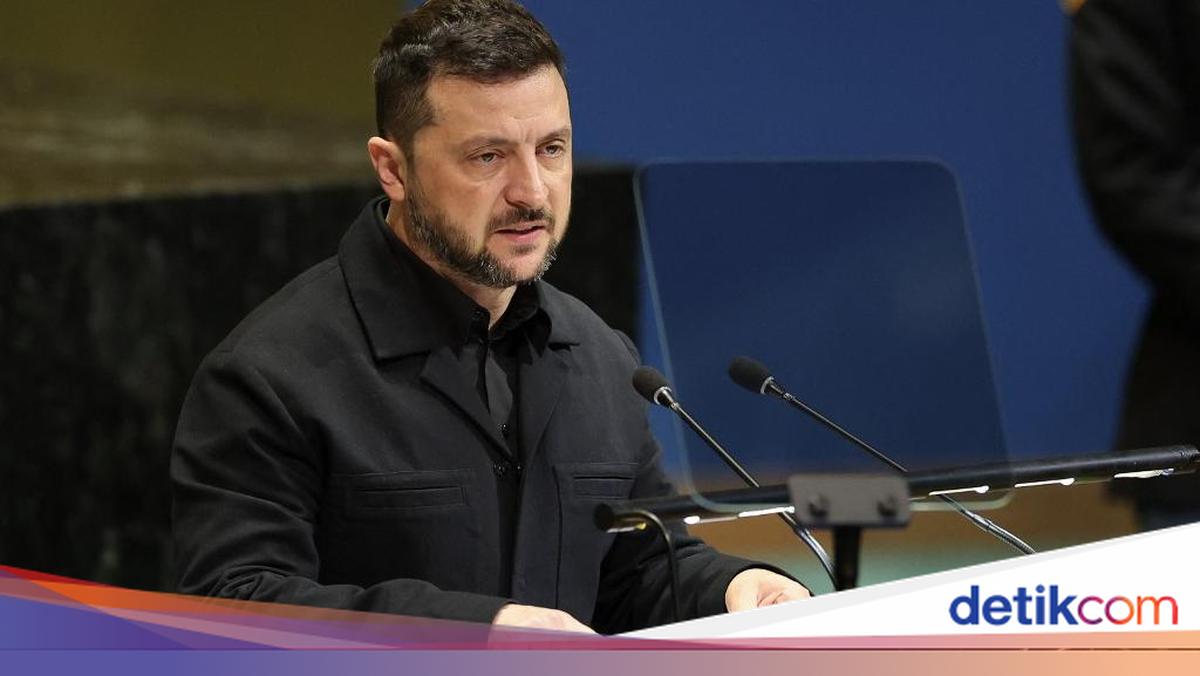
Zelenskyy Proposes Peace Meeting and Ceasefire to Putin
The Hypersonic Shift: How New Weaponry is Redefining Modern Conflict
The recent deployment of Zircon hypersonic missiles marks a pivotal shift in the landscape of global security. When a weapon can travel at nine times the speed of sound, traditional air defense systems—which were designed for slower, ballistic trajectories—become suddenly obsolete.
We are entering an era of “compressed decision-making.” In the past, commanders had minutes to react to an incoming threat. With hypersonic glide vehicles (HGVs), that window shrinks to seconds. This creates a dangerous reliance on AI-driven autonomous interception, as human reaction time is simply too slow to counter these threats.
Looking forward, we can expect a global arms race centered not just on the missiles themselves, but on quantum radar and satellite-based tracking. The goal is no longer just to shoot down a missile, but to predict its unpredictable flight path in real-time.
The Era of Drone Saturation: From Precision to Attrition
The scale of recent attacks—utilizing over 600 drones in a single wave—signals a move away from “surgical strikes” toward saturation warfare. The strategy is simple but brutal: overwhelm the enemy’s defenses by sheer volume.
When an adversary launches 600 drones and 70 missiles, the defensive system is forced to expend expensive interceptor missiles on cheap, disposable drones. This “economic asymmetry” is a key trend in future conflicts. The side that can produce the most low-cost autonomous systems usually wins the war of attrition.
We are likely to see a rise in swarm intelligence, where drones communicate with each other to coordinate attacks without human intervention. This reduces the risk to operators while increasing the lethality and efficiency of the strike.
For more on the evolution of autonomous systems, check out our guide on the evolution of defense technology.
The Paradox of Diplomacy: Negotiating Under Fire
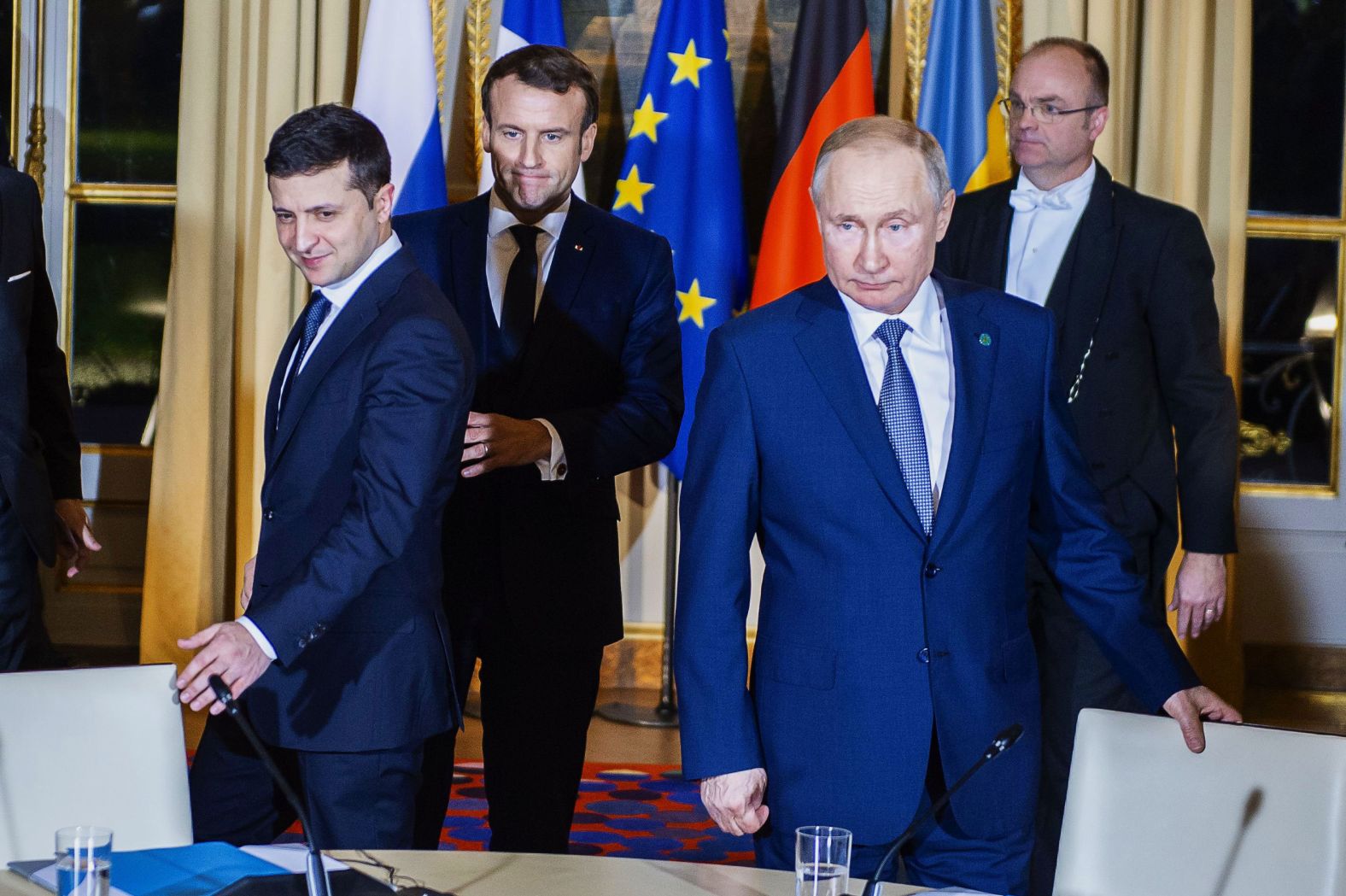
The proposal for a direct summit between leadership, even amidst massive aerial bombardments, highlights a recurring theme in geopolitical history: the “Peace through Strength” paradox. Open letters and ceasefire offers are often used not just as genuine olive branches, but as strategic tools to gauge the opponent’s resolve or to signal to the international community a willingness to negotiate.
Future conflict resolution will likely move toward hybrid diplomacy. This involves simultaneous high-level negotiations paired with targeted military pressure. The goal is to create a “mutually hurting stalemate,” where both parties realize that the cost of continuing the war outweighs the potential gains of a total victory.
Targeting the Industrial Base: The New Front Line
The shift toward attacking industrial defense facilities suggests that the focus of modern war has moved beyond the trenches and into the factories. By targeting the means of production, an aggressor aims to collapse the enemy’s ability to sustain a long-term conflict.
This trend will force nations to adopt distributed manufacturing. Instead of having a few massive factories (which are easy targets), countries will move toward smaller, modular, and hidden production hubs using 3D printing and localized supply chains.
The resilience of a nation’s “industrial backbone” is now a primary metric of national security. Those who can rapidly pivot their civilian economy to a wartime footing—and protect those assets—will hold the strategic advantage.
To understand the broader economic impact, you can read the latest reports from the International Monetary Fund on global conflict economics.
Frequently Asked Questions
What makes hypersonic missiles so dangerous?
Their combination of extreme speed (Mach 5+) and maneuverability makes them nearly impossible to detect and intercept using current missile defense systems.
How does “drone saturation” work?
It involves launching a massive number of low-cost drones to overwhelm air defenses, forcing the defender to use up their limited and expensive ammunition on cheap targets.
Why do leaders propose peace during active fighting?
It can serve multiple purposes: testing the opponent’s willingness to stop, gaining diplomatic leverage, or improving their image with the global public.
Join the Conversation
Do you believe high-tech weaponry like hypersonic missiles make traditional diplomacy obsolete, or do they force leaders to the table faster?
Share your thoughts in the comments below or subscribe to our newsletter for deep-dive analyses on global security.