
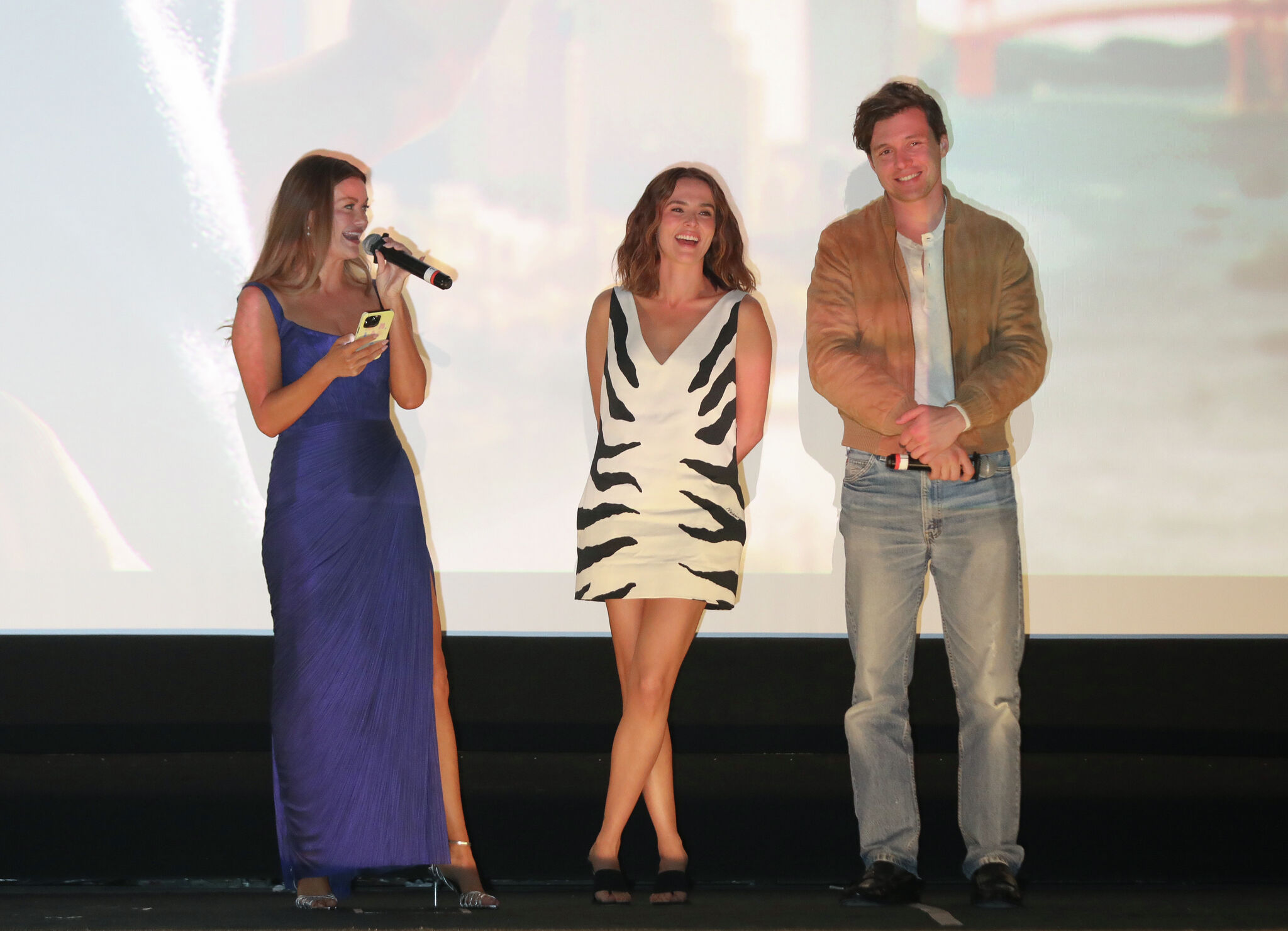
Zoey Deutch, Nick Robinson surprise moviegoers at Netflix screening
Netflix’s “Voicemails for Isabelle,” directed by San Francisco native Leah McKendrick, highlights a growing shift toward hyper-local storytelling in streaming media. By featuring specific city trademarks like Pier 39 and Chinatown, the film positions the city as a primary character, a trend San Francisco Mayor Daniel Lurie says is necessary to showcase regional identity.
Why are cities becoming central characters in streaming rom-coms?
Streaming platforms are moving away from generic urban backdrops in favor of “hyper-localism.” In “Voicemails for Isabelle,” actress Zoey Deutch told a San Francisco audience that the city is “the real star of the movie.” This approach transforms a setting into a narrative engine.
According to the film’s production details, the movie utilizes concrete landmarks including the Golden Gate Bridge, cable cars, and the sea lions at Pier 39 to anchor the story. This mirrors a broader industry trend where specific geography drives viewer engagement and regional pride.
This shift often leads to “set-jetting,” where viewers visit locations featured in their favorite shows. While “Voicemails for Isabelle” focuses on the Bay Area, similar effects have been seen globally with titles like Emily in Paris, which spiked tourism in specific French neighborhoods. For San Francisco, this means a transition from using the city as a postcard to portraying it as a living environment.
How are hometown filmmakers changing the “Hollywood” lens?
Authenticity in streaming content is increasingly driven by “hometown directors” who possess an intrinsic understanding of a location’s nuance. Leah McKendrick, who grew up in San Francisco and once sold ice cream at the Giants’ ballpark, represents this move toward insider perspectives.

McKendrick told the San Francisco Chronicle she intended to show the city through the eyes of someone falling in love with it, citing personal memories of the Japanese Tea Garden and Golden Gate Park. This differs from the traditional “outsider” gaze often found in studio films, where cities are reduced to a few recognizable clichés.
Mayor Daniel Lurie noted that the city needs more filmmakers who showcase the region with this level of personal connection. When creators have familial ties to a location—as McKendrick does, with siblings living blocks from the Alamo Drafthouse—the resulting content often feels more grounded and less like a tourist brochure.
Will analog storytelling return to mainstream digital platforms?
The plot of “Voicemails for Isabelle” centers on an analog device: the voicemail box. The story follows a pastry chef who leaves messages for her late sister, only for a real estate agent to inherit the phone number. This reliance on “old tech” reflects a trend of analog nostalgia in a digital-first era.
Industry data suggests that Gen Z and Millennial audiences are increasingly drawn to tactile or “slow” communication methods. By using voicemails as a primary plot device, Netflix leverages the emotional intimacy of a human voice, which differs from the sterilized nature of text-based communication.
This trend suggests a future where streaming narratives will continue to blend high-tech distribution with low-tech emotional hooks. It creates a contrast that feels human and vulnerable, a quality that director McKendrick tapped into during her emotional onstage appearance at the film’s screening.
Comparison: Generic Settings vs. Hyper-Localism
| Feature | Generic Studio Backdrop | Hyper-Local Approach (e.g., Isabelle) |
|---|---|---|
| Landmarks | Broadly recognizable (e.g., any bridge) | Specific (Pier 39, Chinatown) |
| Perspective | Tourist/Visitor gaze | Native/Hometown gaze |
| Emotional Hook | Plot-driven romance | Place-driven identity |
Frequently Asked Questions
What is “Voicemails for Isabelle”?
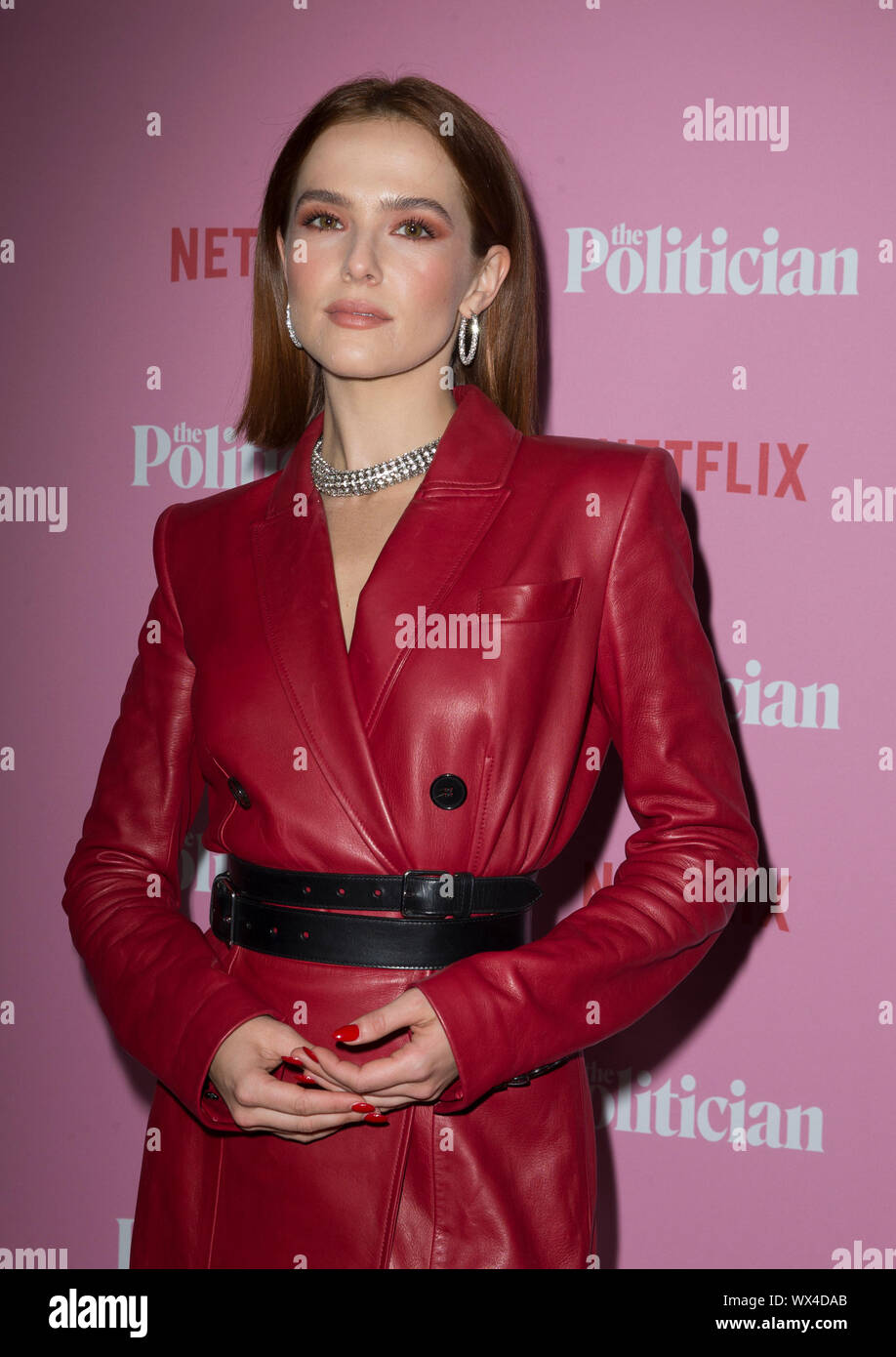
It is a Netflix romantic comedy directed by Leah McKendrick starring Zoey Deutch and Nick Robinson. The plot revolves around a woman leaving voicemails for her deceased sister, which are then received by the person who inherited the phone number.
Why is the location of the film significant?
The film is set in San Francisco and treats the city as a central character. It features authentic local landmarks and was created by a director raised in the city, aiming for a realistic portrayal of the Bay Area.
Who is Leah McKendrick?
Leah McKendrick is a San Francisco-raised writer and director who also appears in the film as the character Breeda. She is an alumna of Chapman University.
What do you think about the trend of “city-as-a-character” in movies? Does it make you more likely to watch a film if it features your hometown accurately? Let us know in the comments below or subscribe to our newsletter for more industry insights.