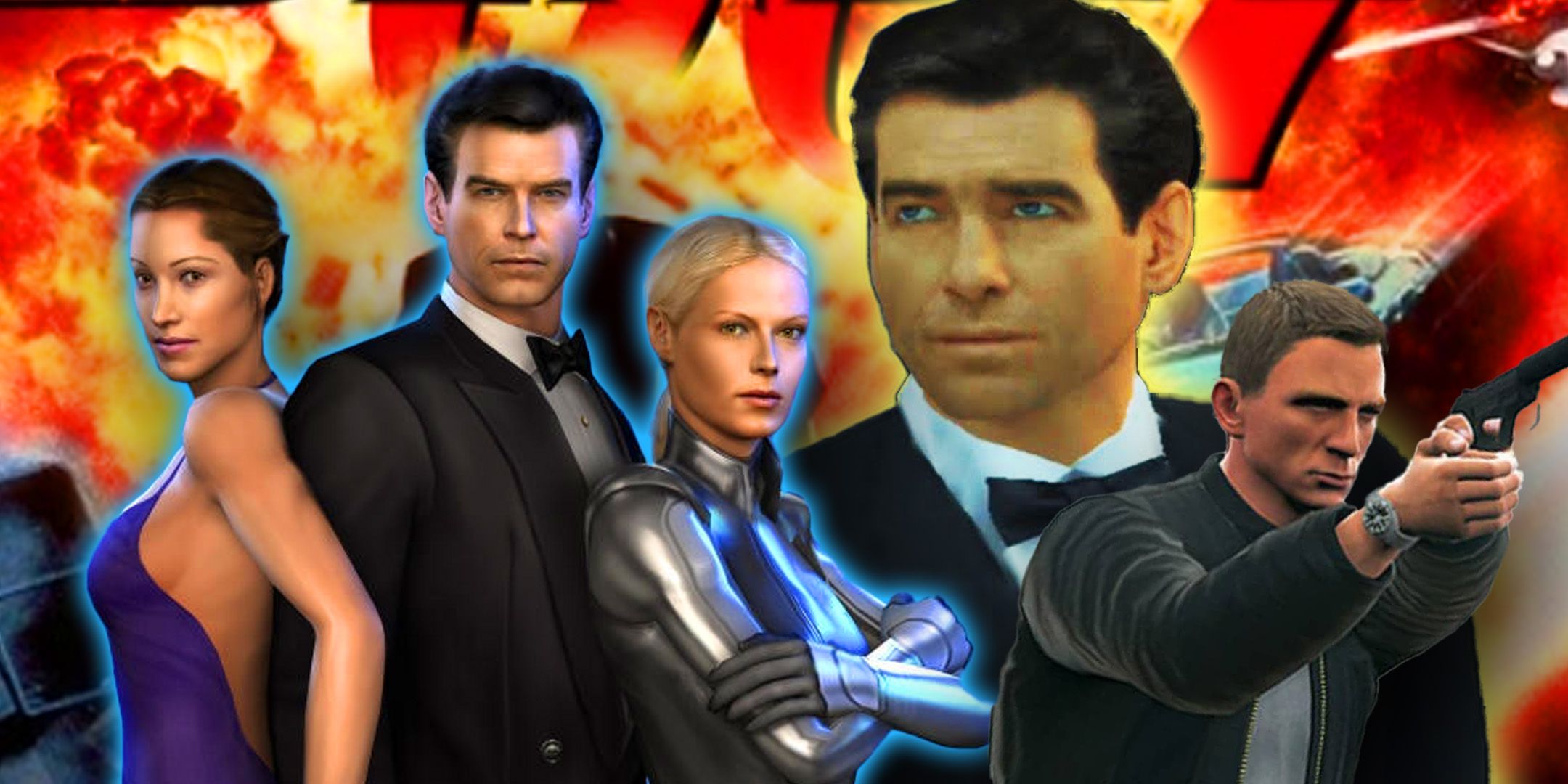
007 First Light Faces Controversy Over Female Characters Giving Bond Orders
The “Woke” Debate: Why Gaming’s Culture War Is Reshaping Franchise Marketing
The recent launch of 007: First Light has ignited a firestorm, but not for its gameplay mechanics or its stealth-action polish. Instead, the discourse has centered on a familiar, polarizing battleground: accusations of “wokeness” and the supposed erosion of traditional character archetypes. As IO Interactive navigates this storm, the industry is witnessing a shift in how major franchises handle fan expectations versus creative evolution.
When users on social media labeled the game a “disaster” because a younger, pre-00 status James Bond takes orders from female superiors, it highlighted a growing disconnect between a vocal minority and the established history of the franchise. For those familiar with the Bond canon, specifically the tenure of Judi Dench as M from 1995 to 2012, the outrage appears historically illiterate—yet it remains a powerful force in modern game marketing.
The term “woke” has become a catch-all critique in gaming circles, often applied to any narrative choice that challenges traditional power dynamics, regardless of whether those dynamics were already present in the source material.
When Controversy Becomes Part of the Strategy
IO Interactive has taken a defiant stance, suggesting that if a game doesn’t spark debate, it might be failing to push boundaries. This “all publicity is good publicity” approach is becoming a staple for studios looking to break through the noise of a saturated market. By casting Irish actor Patrick Gibson as a vulnerable, inexperienced spy, the developers invited scrutiny—and they seem to be leaning into it.

However, there is a fine line between healthy debate and alienating your core audience. As we see with 007: First Light, the friction isn’t just about the game; it’s about the identity of the brand. Fans who grew up with a specific vision of Bond often view any deviation as a betrayal, even when that deviation is grounded in the character’s origins.
The Future of Franchise Reboots
What does this mean for the future of AAA gaming? As studios look to refresh tired IPs, they face a “Damned if you do, damned if you don’t” scenario. If they stay too safe, the title is called boring; if they innovate, it’s labeled “anti-traditional.”
We can expect future marketing campaigns to be more calculated. Studios are increasingly using “origin stories” as a shield, allowing them to experiment with character growth while providing a narrative excuse for why the hero isn’t yet the “polished agent” fans expect. This allows for a more modern, diverse cast of characters without necessarily “retconning” the history of the franchise.
Before jumping into the discourse on social media, verify the source material. Often, “controversial” changes are simply modern interpretations of themes that have existed in the franchise for decades.
Frequently Asked Questions (FAQ)
- Is 007: First Light considered a reboot of the James Bond series?
- Yes, it focuses on a younger, less experienced version of James Bond before he earned his “00” status, serving as an origin story rather than a sequel to existing films.
- Why are some fans upset about the game?
- Some players have expressed frustration over narrative choices, such as Bond taking orders from female characters, claiming it deviates from the traditional “Bond” archetype, despite female superiors being a staple of the franchise for years.
- How has IO Interactive responded to the backlash?
- The studio has largely welcomed the debate, suggesting that strong reactions to their creative vision are a sign that the game is generating meaningful engagement.
What is your take on the “woke” discourse in gaming? Do you believe studios should cater to legacy fan expectations or push for new, diverse narratives? Share your thoughts in the comments below or sign up for our newsletter for more deep dives into the future of the industry.