

Apple Intelligence: How Apple Plans to Use Google Gemini and Nvidia
The Hybrid AI Revolution: How Apple and Google are Redefining Privacy
We are standing on the precipice of a massive shift in how our smartphones handle intelligence. For years, the industry debate pitted “on-device” processing against “cloud-based” power. Apple’s latest strategic maneuvers reveal that the future isn’t one or the other—it’s a sophisticated, high-stakes hybrid.
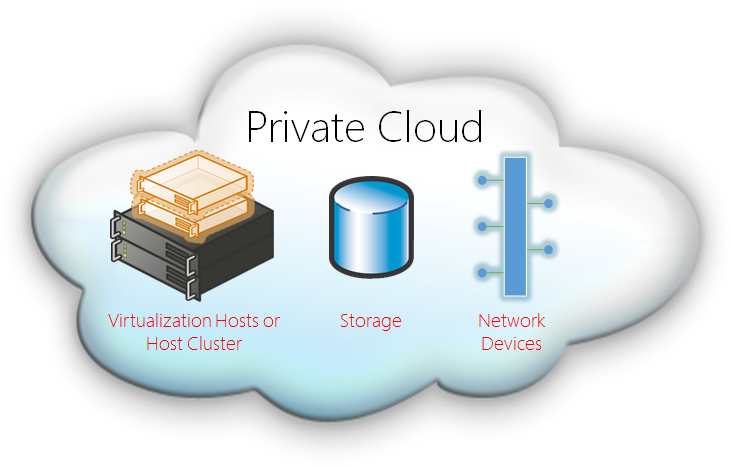
By leveraging Google’s massive Gemini models while simultaneously pushing for “distilled” on-device versions, Apple is attempting to solve the ultimate tech paradox: how to offer super-intelligence without compromising the user’s personal data. This move signals a broader industry trend where the “Private Cloud” is no longer just a marketing term, but a complex engineering architecture.
Distillation: The Secret Sauce of Local AI
One of the most fascinating developments is the concept of AI model distillation. Think of this like teaching a student: you take a massive, genius-level model (like the full-scale Gemini) and use it to train a significantly smaller, more efficient “student” model that can live on your iPhone’s silicon.
Pro Tip: Watch for companies like Liquid AI and other boutique firms specializing in model compression. As hardware constraints remain, the ability to “shrink” intelligence will become the most valuable patent portfolio in Silicon Valley.
This approach allows for near-instant response times for tasks like photo editing, text summarization, and smart replies, all while keeping your data offline. It’s a win for battery life and a massive win for privacy-conscious users.
The Cloud Reality: Why Privacy Needs Nvidia
Despite the push for local processing, some tasks are simply too heavy for current mobile chips. Complex reasoning, deep creative generation, and massive data synthesis require the raw horsepower of a server farm. This is where the partnership with Google Cloud—and the integration of Nvidia’s Confidential Compute—becomes critical.
By using hardware-level encryption in the cloud, Apple is effectively creating a “locked room” for your data. Even while the processing happens on a third-party server, the data remains encrypted and inaccessible to the provider. This is the new gold standard for “Privacy-First AI,” moving beyond simple policy agreements toward hardware-enforced security.
Did You Know?
Confidential Computing isn’t just for AI. It is being increasingly adopted by banks and healthcare providers to ensure that data remains encrypted even while it is being actively analyzed by software, preventing “memory scraping” attacks.
What This Means for the Future of Siri
The next generation of digital assistants will feel less like a search engine and more like a personal agent. We are moving away from “Siri, set a timer” toward “Siri, plan my travel itinerary based on my emails and calendar, and book the reservations.”
This requires a deep integration between your personal data and a Large Language Model (LLM). The current industry trend suggests that your phone will act as the “gatekeeper,” deciding which tasks stay local for speed and security, and which tasks are sent to the “Confidential Cloud” for heavy lifting.
Frequently Asked Questions (FAQ)
Q: Will my data be used to train Google’s AI models?
A: Based on Apple’s strict privacy stance and current implementation of Private Cloud Compute, the goal is for data to be processed in a secure, isolated environment where it cannot be stored or used for training.
Q: Why does Apple need Google if they have their own chips?
A: Even the A-series and M-series chips have physical limits. Massive models with trillions of parameters require server-grade clusters that currently exceed the capacity of personal devices.
Q: Will these AI features slow down my device?
A: By using distilled models, Apple aims to keep the “heavy lifting” off your local CPU/GPU, which should actually preserve battery life compared to running large models entirely on-device.
Join the Conversation
The marriage of Apple’s hardware-level privacy and Google’s AI prowess is likely to set the standard for the next decade of mobile computing. Are you comfortable with your AI queries moving to the cloud, provided the security is hardware-encrypted? Or do you prefer a strictly offline experience? Share your thoughts in the comments below!
For more deep dives into the future of mobile technology, subscribe to our weekly newsletter and stay ahead of the curve.