
,fit(960:) "13 Teams Slam UEFA President Ceferin Over World Cup 2026 Comments")
13 Teams Slam UEFA President Ceferin Over World Cup 2026 Comments
Thirteen national teams qualified for the 2026 World Cup have issued a joint statement rejecting comments by UEFA President Aleksander Ceferin. The federations expressed “deep disappointment” after Ceferin suggested that expanding the tournament could result in “uninteresting” matches.
The signees include Cape Verde, Curaçao, Uzbekistan, DR Congo, Haiti, Algeria, Tunisia, Morocco, Egypt, Ghana, Senegal, South Africa, and Ivory Coast. They stated they reject the Slovenian official’s remarks “respectfully, but with firmness.”
Why did 13 national teams reject Aleksander Ceferin’s comments?
The federations argue that Ceferin’s words undervalue the effort required to reach the tournament. According to the statement, suggesting certain matches are less important fails to recognize the “efforts, sacrifices and aspirations” of players, coaches, clubs, and fans.
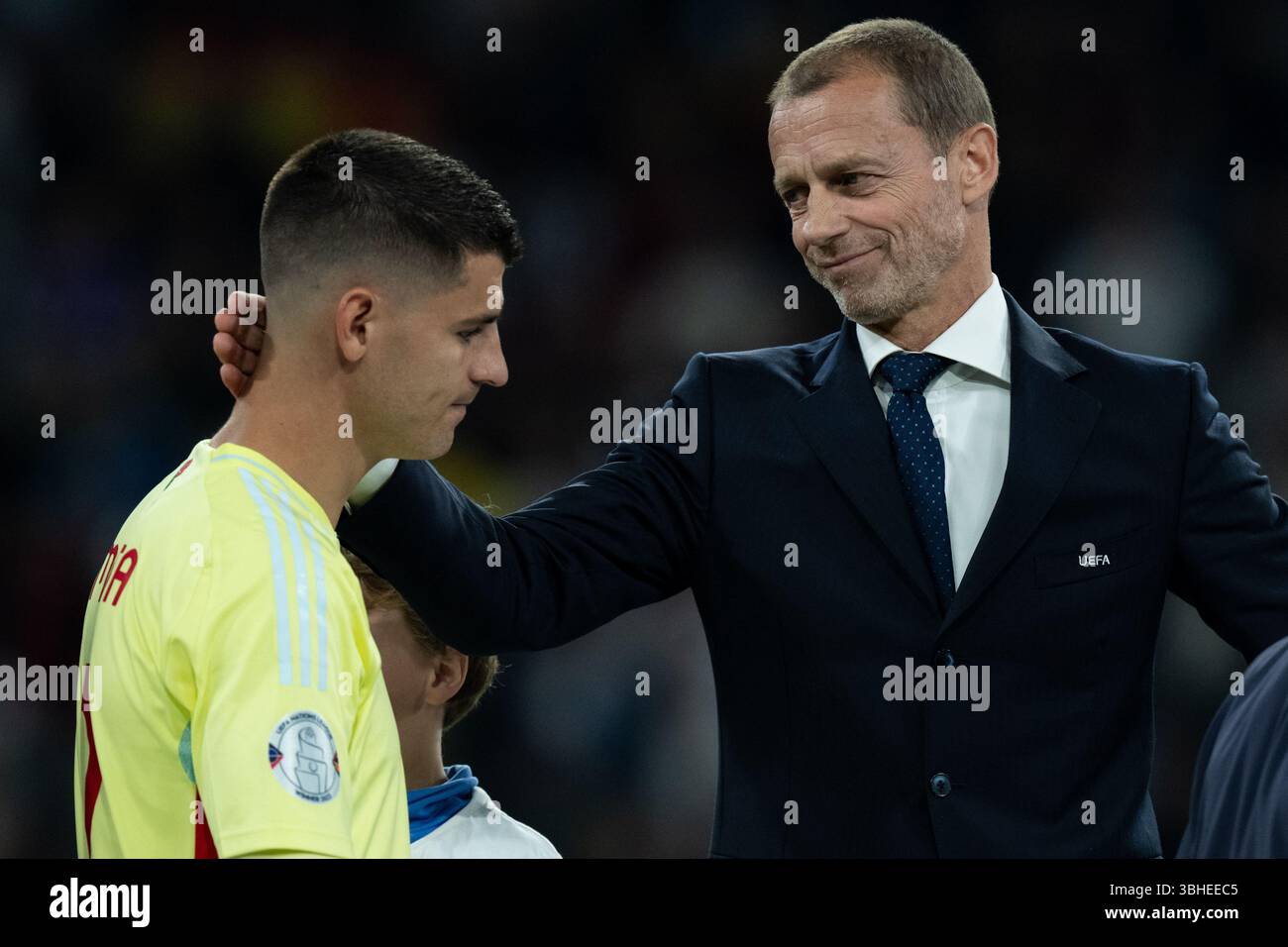
The group asserts that football does not belong to a “select group of nations.” They claim the sport’s strength comes from its universality and the inclusion of different cultures and histories.
What is the significance of the 2026 World Cup qualification for these nations?
For countries like DR Congo and Haiti, returning to the World Cup after long absences holds “special meaning” for millions of fans. The statement notes that some supporters have waited decades for this moment.
The federations claim that participation is more than a sporting win. They argue it inspires entire generations, accelerates the development of football, and creates lifelong memories. They maintain that every qualified team earned its place through merit.
What could happen next for the global growth of football?
The federations may continue to advocate for the expansion of opportunities within the sport. A possible next step is a continued push to strengthen the “truly global nature” of the game to inspire new generations.
.JPG/1200px-Cape_of_Good_Hope_(Zaian_2008).JPG "What could happen next for the global growth of football?")
This collective stance could lead to increased pressure on governing bodies to ensure every qualified nation is treated with equal respect regardless of their traditional standing in the sport.
Frequently Asked Questions
Which teams signed the joint statement?
The statement was signed by Cape Verde, Curaçao, Uzbekistan, DR Congo, Haiti, Algeria, Tunisia, Morocco, Egypt, Ghana, Senegal, South Africa, and Ivory Coast.
What specifically did Aleksander Ceferin suggest?
The UEFA President suggested that the expansion of the World Cup could lead to matches that are “uninteresting.”
How did the federations describe the nature of football?
They stated that football is not reserved for traditional powers and that its strength is derived from its universality and the gathering of different cultures and paths.
Do you believe expanding the World Cup improves the sport’s global appeal or affects the quality of the competition?