

2026 FIFA World Cup: Challenges and Cultural Impact in North America
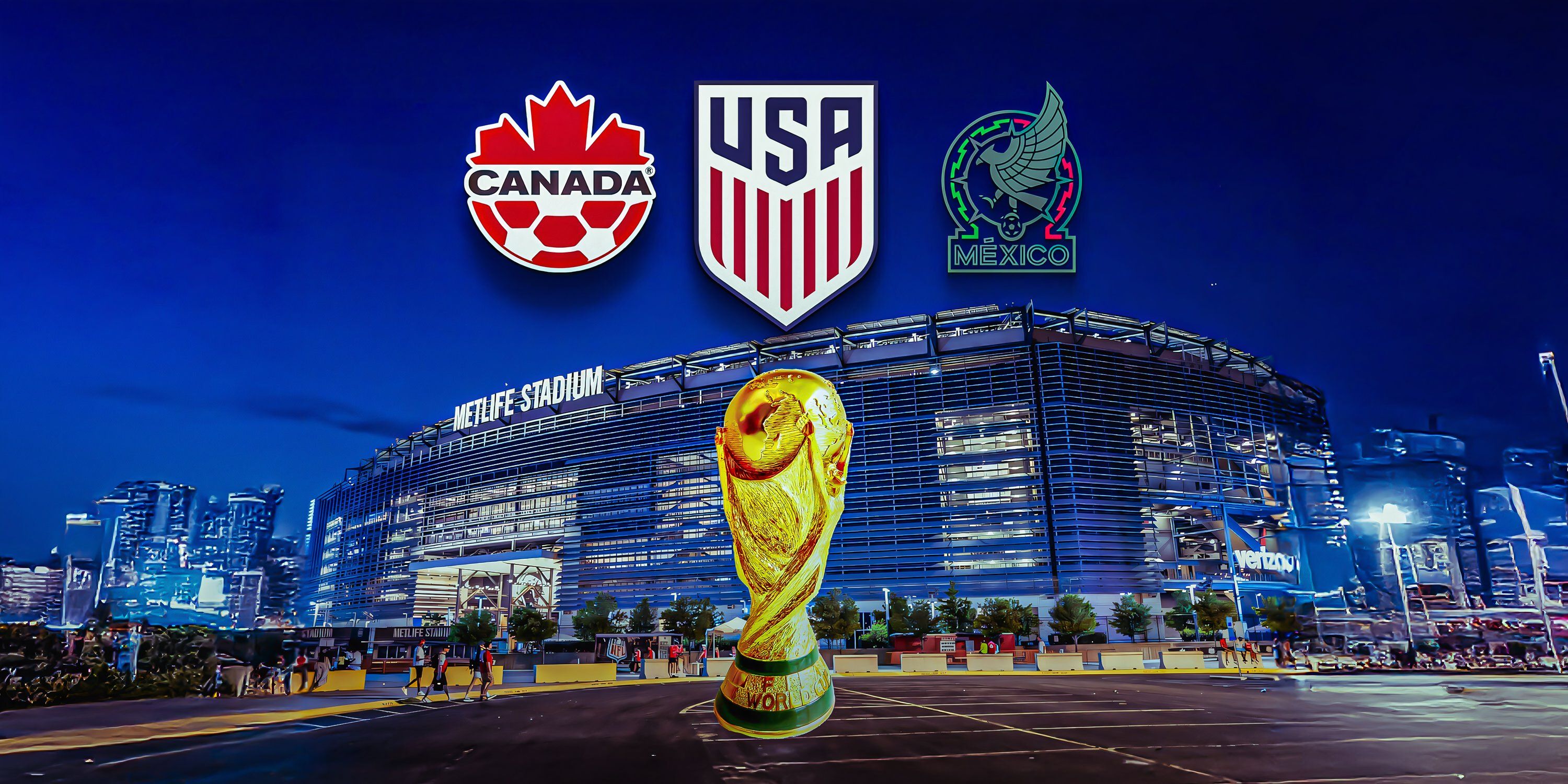
The 2026 FIFA World Cup returns to North America, marking the largest iteration of the tournament in history with 48 teams competing across the United States, Canada, and Mexico. This expansion, coupled with complex geopolitical factors and evolving visa regulations, presents unprecedented logistical and cultural challenges for organizers, fans, and international athletes compared to the 1994 tournament held at Soldier Field.
Why is the 2026 World Cup the largest in history?
FIFA has officially expanded the tournament format to include 48 teams, a significant jump from the 32-team structure used since 1998. According to FIFA official records, this change aims to increase global participation and broadcast reach. By adding 16 additional nations, the tournament guarantees more matches, which inherently drives higher ticket revenue and international sponsorship deals.
How do geopolitical tensions affect fan and athlete travel?
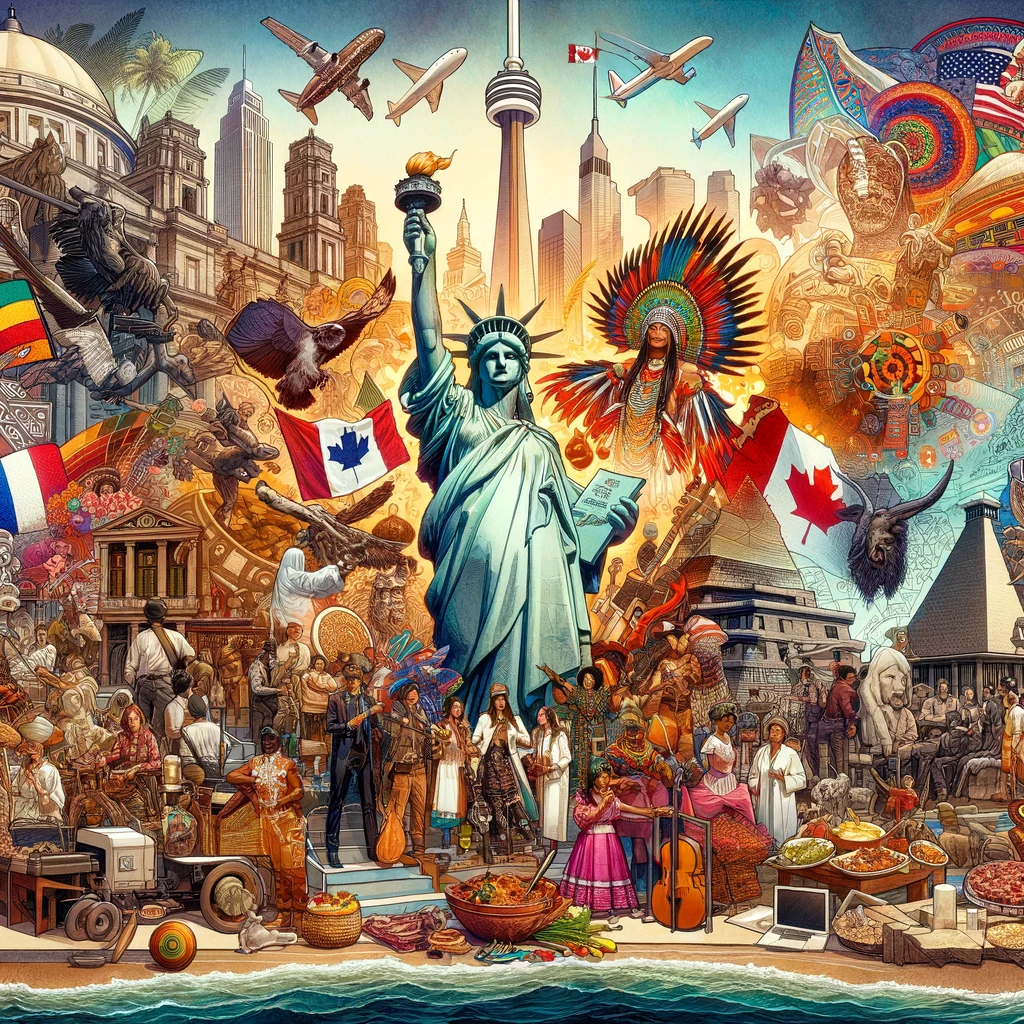
Hosting a global event in the current U.S. political climate creates friction regarding international entry requirements. NPR’s reporting highlights that visa accessibility remains a primary concern for supporters traveling from nations with strained diplomatic ties to the United States. Unlike the 1994 tournament, where global travel norms were less restrictive, modern security protocols and shifting border policies mean that national teams must navigate complex administrative hurdles just to ensure their rosters can compete.
Industry analysts point to the 2022 World Cup in Qatar as a precedent for how host nations manage international influx. However, the decentralized nature of the 2026 tournament—spanning three countries—means that visa agreements must be harmonized across different legal jurisdictions, a feat never before attempted at this scale.
What are the long-term trends for international soccer in North America?
The return of the World Cup to North America signals a shift in soccer’s commercial trajectory. Data from Nielsen Sports indicates that soccer viewership in the U.S. has seen consistent year-over-year growth, largely driven by the influence of leagues like Major League Soccer (MLS) and the accessibility of European leagues via streaming platforms. The 2026 event is expected to cement soccer as a top-tier domestic sport, moving beyond the “niche” status it held during the 1990s.
Frequently Asked Questions
- How many cities will host games in 2026? There are 16 host cities spread across the U.S., Canada, and Mexico.
- Will the expanded format change how the winner is decided? Yes, the 48-team format introduces a new group stage structure followed by a knockout phase that includes a Round of 32.
- Where can I find updates on visa requirements for fans? The U.S. Department of State and the respective immigration authorities for Canada and Mexico are the primary sources for official entry requirements.
Stay ahead of the game by subscribing to our weekly sports newsletter, where we break down the latest developments in international soccer and tournament logistics. Have thoughts on the 2026 expansion? Drop a comment below and let us know which host city you’re most excited to visit.