
NASA Orders ISS Astronauts to Shelter as Russian Module Air Leak Worsens
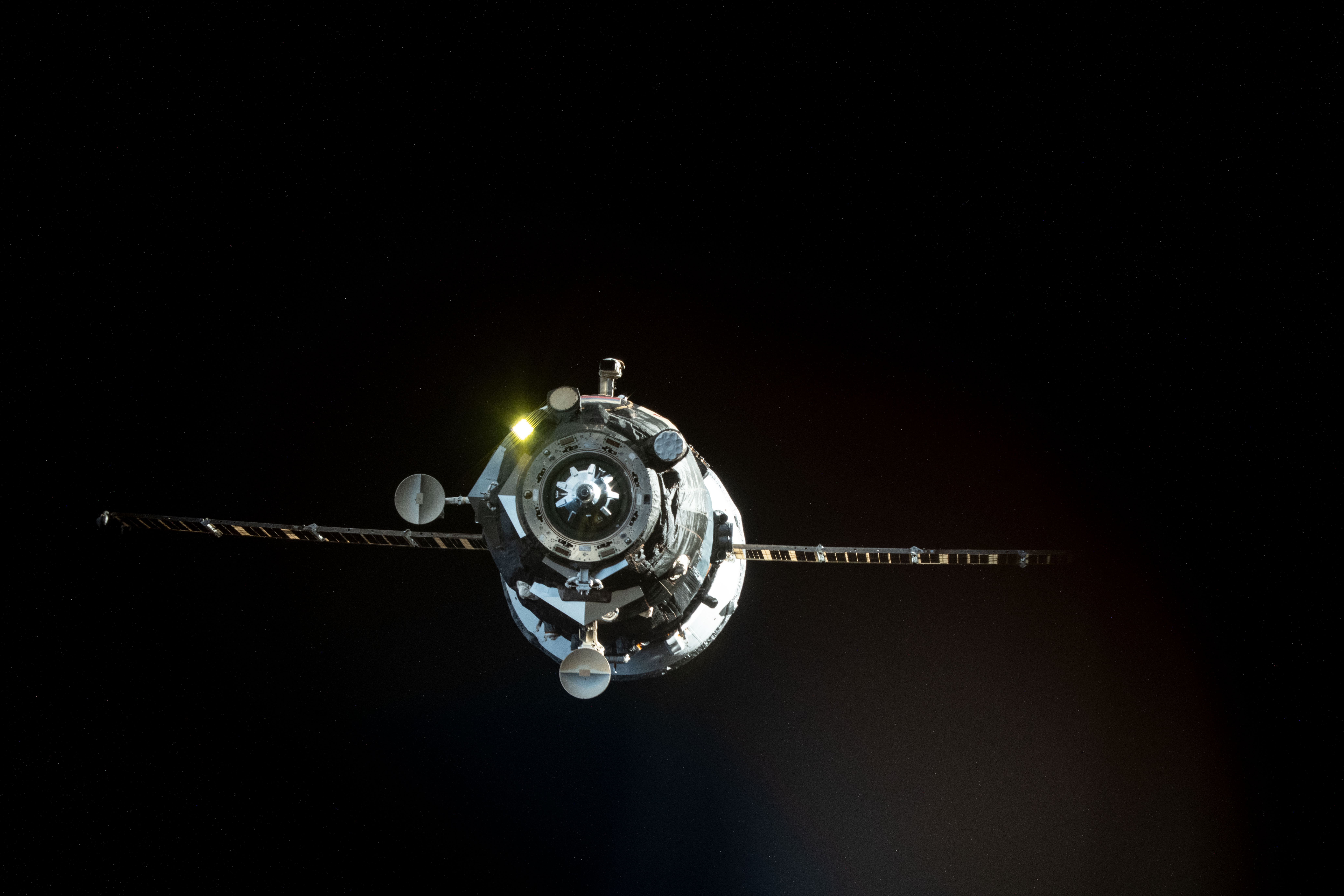
The International Space Station (ISS) recently faced a heightened safety alert after a persistent air leak in the Russian Zvezda module doubled in intensity. NASA ordered crew members to shelter inside the SpaceX Crew Dragon capsule as a precautionary measure while ground teams evaluated the structural integrity of the aging orbital laboratory. While the crew has since resumed normal operations, the incident underscores growing tensions regarding the station’s long-term viability and the differing risk management strategies between NASA and Roscosmos.
Why is the Zvezda module leaking?
The air leaks in the Zvezda service module originate from microscopic cracks in the transfer tunnel, a section that has been part of the ISS since it first launched. According to reports from 7News Australia and monitoring by NASA, these fissures were first identified in 2019. Despite years of patch-work repairs using sealant, the leak rate recently surged from 0.45 kilograms to approximately 0.9 kilograms of air per day.
How do NASA and Roscosmos differ on safety?
The incident highlighted a clear divide in how the two space agencies perceive the danger of the aging station. NASA’s decision to trigger the “safe haven” protocol—a standard procedure where astronauts retreat to their return vehicles—suggests a more conservative risk threshold. Conversely, the Russian space agency, Roscosmos, has maintained that the leaks do not pose an immediate threat to the crew and that the station’s internal pressure remains stable.
This disagreement extends to repair methodology. According to Reuters, friction emerged regarding the specific techniques proposed to seal the cracks. While NASA engineers have pushed for more rigorous validation of repair materials, Russian cosmonauts have moved forward with internal sealing attempts. This lack of consensus on a “definitive solution” has become a recurring point of contention as the hardware enters its third decade of service.
What happens to the ISS as it nears retirement?
The structural degradation of the Zvezda module is a preview of the challenges inherent in decommissioning the ISS. While the station is currently slated for retirement early in the next decade, there is significant political momentum in the United States to extend operations until 2032. Keeping the station safe requires balancing the scientific output of the laboratory against the mounting maintenance costs of aging infrastructure.
Pro Tip: If you are interested in the future of space exploration, keep an eye on the transition to commercial space stations. NASA is currently funding private companies to develop replacements for the ISS, as reliance on a single, aging, and increasingly leaky module becomes a liability for long-term human spaceflight.
Frequently Asked Questions
Is the ISS currently safe for astronauts?
Yes. NASA confirmed that the crew returned to normal activities after the leak was assessed, and the agency stated there is no immediate threat to the safety of those on board.
Why is the Zvezda module so difficult to repair?
The module is part of the original Russian segment of the station, and the cracks are located in a difficult-to-access transfer tunnel. Because the module is over 20 years old, the metal fatigue is constant, making permanent fixes challenging.
Will the ISS be retired soon?
The official retirement is planned for the early 2030s, though discussions about extending the timeline to 2032 are ongoing among U.S. lawmakers and international partners.
Stay informed about the latest developments in space exploration and international cooperation by subscribing to our newsletter. Do you think it is time to prioritize new commercial stations over the ISS? Share your thoughts in the comments below.