
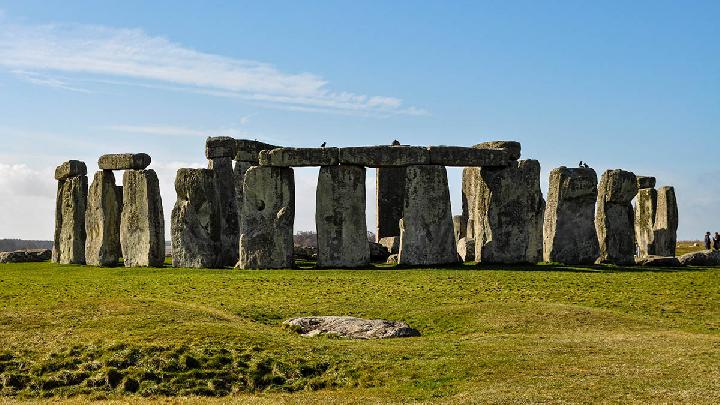
2026 Summer Solstice at Stonehenge: Travel Information and Festival Tips
The Future of Solstice Tourism: Beyond the Ancient Stones
For millennia, the summer solstice has served as a celestial anchor, drawing humanity toward sites of ancient wonder like Stonehenge. But as global travel habits shift, the way we celebrate the longest day of the year is undergoing a digital and experiential transformation. We are moving away from passive observation toward immersive, tech-integrated, and sustainable heritage tourism.
The Rise of “Astrotourism” and Digital Pilgrimage
While thousands still flock to Wiltshire, England, for the physical sunrise, the future of solstice celebrations is increasingly hybrid. The rise of astrotourism—travel specifically focused on celestial events—has created a new market for luxury glamping and dark-sky retreats.
Simultaneously, virtual reality (VR) is democratizing access. For those unable to travel, high-definition live streams and 360-degree interactive maps allow global audiences to witness the sun’s alignment with the Heel Stone in real-time. This digital shift ensures that heritage sites remain relevant to a younger, tech-savvy demographic without the environmental strain of over-tourism.
Stonehenge is not just a pile of rocks; it is a sophisticated solar calendar. Recent archaeological studies suggest the site was designed with such precision that it acted as a Neolithic clock, tracking the solar year with an accuracy that rivals modern instruments.
Sustainable Heritage: Balancing Preservation and Public Access
Managing the influx of visitors to sacred sites is a growing challenge for heritage organizations like English Heritage. The trend is shifting toward “stewardship-first” tourism. Future solstice events are likely to incorporate stricter “Leave No Trace” policies and dynamic ticketing systems to prevent site degradation.
Case studies from other global landmarks, such as Machu Picchu and Chichén Itzá, show a move toward timed entry and mandatory guided tours. As sustainability becomes a non-negotiable for modern travelers, we can expect solstice gatherings to emphasize eco-friendly transport and carbon-offset initiatives, moving away from the “festival” atmosphere toward a more contemplative, respectful experience.
Pro Tips for the Modern Solstice traveller
- Layering is Key: Even in midsummer, Northern Hemisphere nights drop in temperature. Always pack thermal base layers.
- Prioritize Off-Peak Access: If you seek the magic of the solstice without the crowds, consider visiting “lesser-known” megalithic sites in Ireland or Scotland, which often offer similar solar alignments with significantly fewer visitors.
- Leave the Tech at Home: While your camera is essential, dedicate at least 30 minutes to observing the sunrise without a screen to truly grasp the scale of the architecture.
Technological Integration in Ancient Spaces
We are entering an era where Augmented Reality (AR) will overlay historical context onto the physical ruins. Imagine standing at a stone circle and, through your smartphone, seeing the structure as it appeared 4,500 years ago, complete with original lintels and wooden elements. This “phygital” (physical + digital) experience is the future of summer solstice engagement.

Frequently Asked Questions
Q: Why does the date of the summer solstice change?
A: It shifts because our calendar year is 365 days, while the solar year is approximately 365.25 days. This discrepancy causes the solstice to oscillate between June 20 and June 22.
Q: Is it better to visit Stonehenge at sunrise or sunset?
A: Sunrise is the traditional solstice highlight, as the monument’s architecture is specifically aligned with the summer sunrise. Sunset, however, often provides a more intimate atmosphere with fewer crowds.
Q: How can I find other solstice events globally?
A: Many ancient sites worldwide host solstice gatherings. Check local heritage websites or UNESCO’s travel portals for events in Scandinavia, Peru, and the American Southwest.
How are you planning to mark the longest day of the year? Whether you are heading to a historical monument or hosting a quiet gathering at home, share your experiences in the comments below. For more travel tips and seasonal guides, subscribe to our weekly newsletter.