
2026 World Cup Preview: Brazil’s Path to Glory and the Neymar Factor
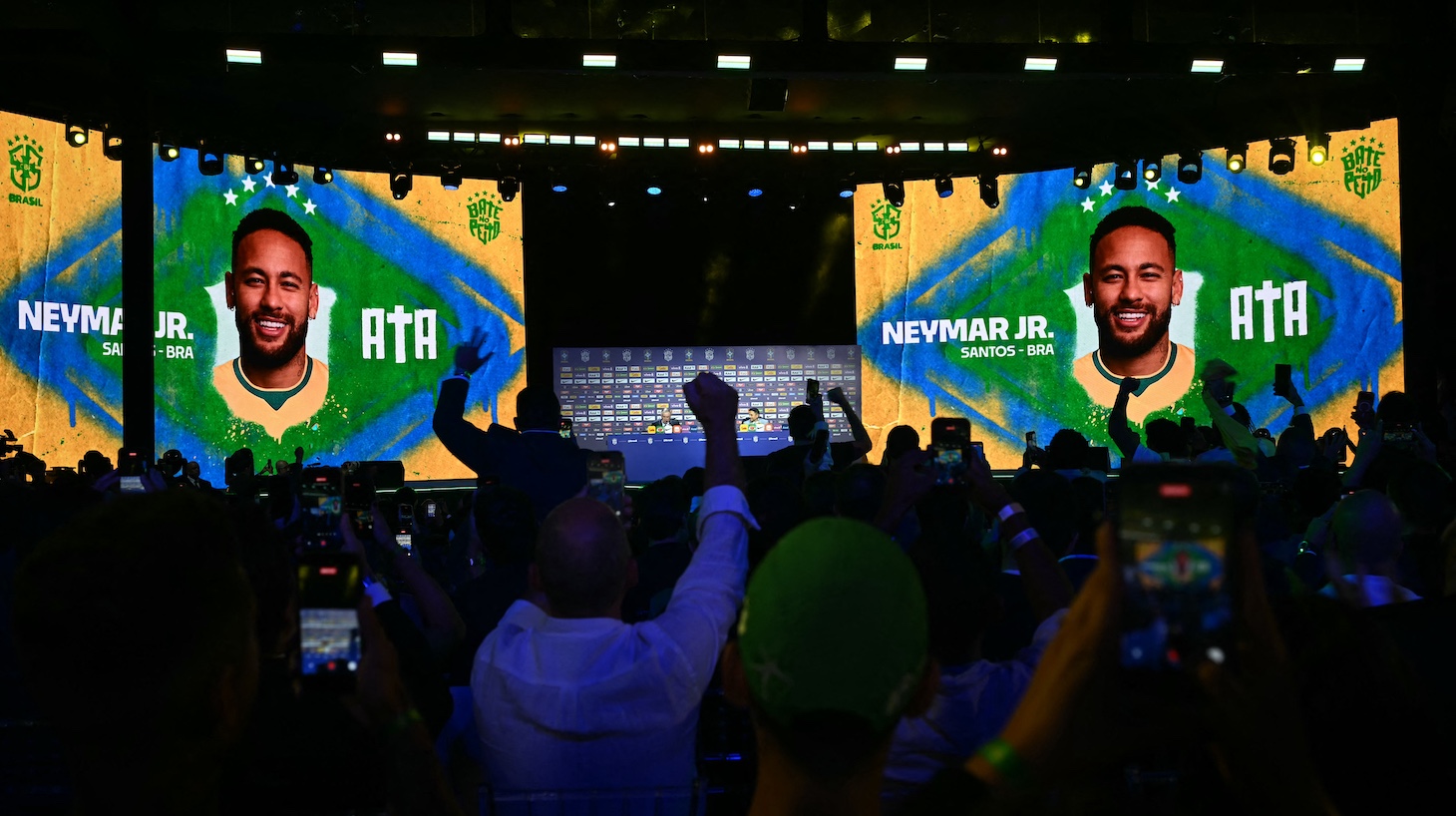
Brazil manager Carlo Ancelotti selected Neymar for the World Cup roster on May 18, marking the forward’s return to the national team after a period of severe injury and a stint with Santos. Despite recent fitness concerns, Neymar remains the squad’s primary creative catalyst and psychological anchor for a team currently lacking a dominant, healthy playmaker.
Why did Carlo Ancelotti include Neymar in the World Cup squad?
Ancelotti chose Neymar to provide a level of vision and passing that no other player in the current roster possesses. According to team reports, the 34-year-old serves as both a tactical asset and a “lightning rod” to absorb external pressure from the Brazilian public, shielding a relatively unproven group of teammates.
The decision follows a turbulent two years for the forward. After joining Saudi Arabia’s Al Hilal in 2023, Neymar appeared in only seven matches over 18 months due to an ACL tear and recurring hamstring injuries. His contract with Al Hilal was eventually terminated, leading to a return to his boyhood club, Santos.
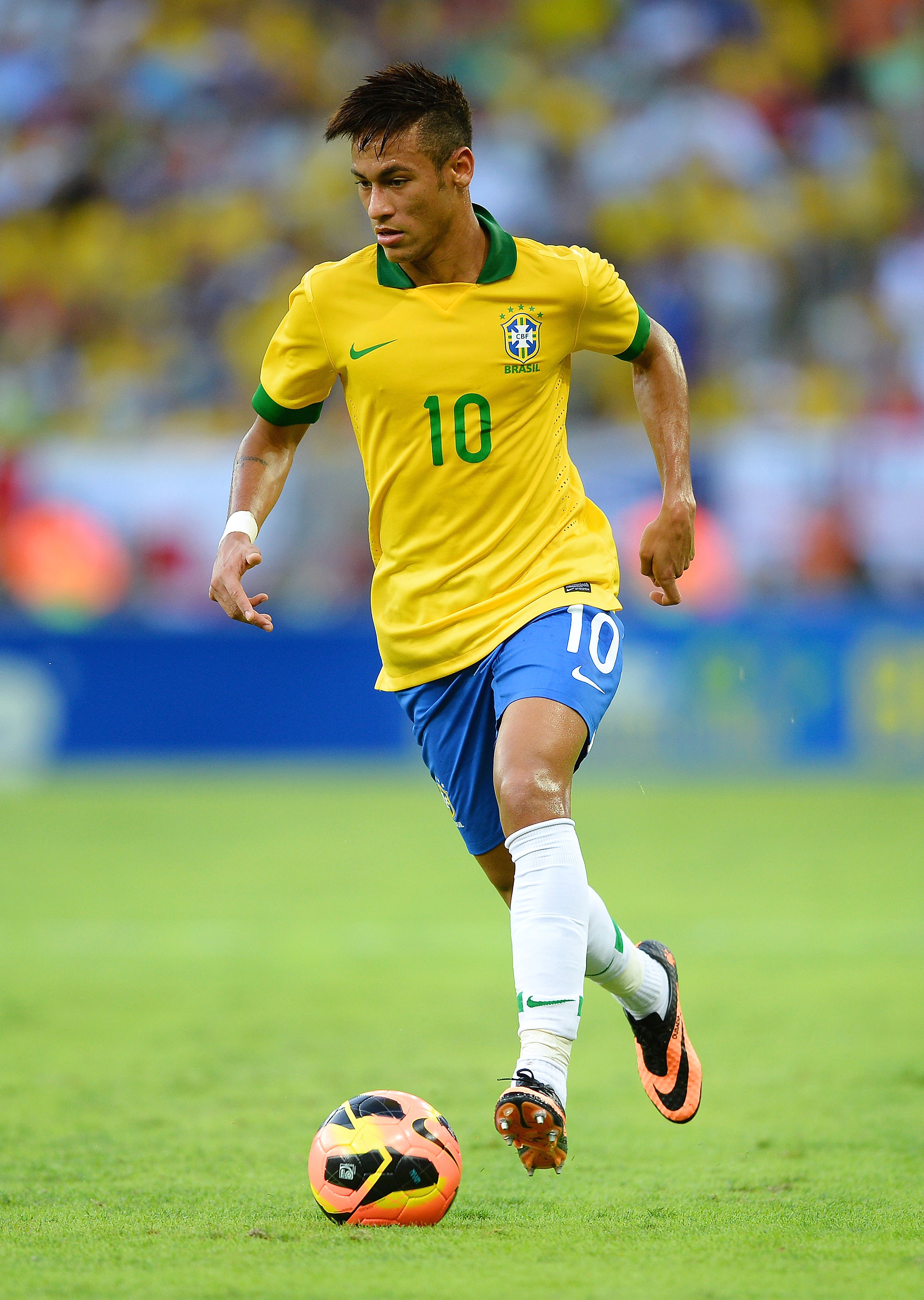
While his talent remains, his physical reliability is a concern. Neymar announced a new injury just days after his World Cup selection. Ancelotti’s strategy likely involves using him as a high-impact substitute rather than a full-match starter, given his diminished stamina and stiffness.
How will Brazil’s defensive strategy change this tournament?
Brazil is expected to move away from the traditional “jogo bonito” in favor of a nominally defensive approach. The plan focuses on sitting back without the ball and utilizing quick transitions to launch attackers like Raphinha and Vinícius Jr. into open space.
The cornerstone of this system is Gabriel Magalhães. As a key figure in one of the top-rated defenses in club soccer, Gabriel provides the physical presence necessary to block shots and win aerial duels. According to tactical analysis, his role is to act as a “brick wall” in the penalty area, allowing the team to invite pressure before countering.
Key Defensive Metrics: Gabriel Magalhães
- Primary Strength: Proactive tackling and interceptions.
- Tactical Role: Set-piece dominance (both offensive and defensive).
- Weakness: Limited contribution to ball-carrying and passing.
Who is the biggest breakout candidate for Brazil?
Nineteen-year-old Endrick is positioned as the heir to the great Brazilian center-forward lineage, drawing comparisons to Romário due to his goal-scoring hunger and ability to operate in cramped spaces. To secure more playing time ahead of the World Cup, Endrick moved from Real Madrid to Lyon on loan in January.
Brazil currently faces a shortage of traditional out-and-out strikers. Endrick offers a combination of pace and technical precision in through-balls that the current squad lacks. If Ancelotti integrates him into the starting lineup, he could solve the team’s struggle to convert chances into goals.
For more on the top contenders, see our full World Cup team previews.
What is the current standing of Vinícius Jr. in the squad?
Despite his success at Real Madrid, Vinícius Jr. faces increasing scrutiny regarding his impact with the national team. Reports indicate that Brazil’s performances under his leadership, during Neymar’s absence, have been mediocre. This has led to perceptions that his game relies more on volume and repetition than the “unstoppable” quality seen in prime Brazilian attackers.
Vinícius is also navigating a complex environment at Real Madrid, where the arrival of Kylian Mbappé has shifted the attacking hierarchy. After failing to win the Ballon d’Or, Vinícius has struggled to maintain his previous momentum, making this World Cup a critical juncture for his international reputation.
Brazil’s Path to Victory: A Comparative Analysis
Brazil’s chances of winning the trophy are viewed differently compared to favorites like Spain, France, and Argentina. While they possess the individual talent, their lack of a settled starting XI is a liability.
| Factor | With Neymar | Without Neymar |
|---|---|---|
| Psychological Impact | High (Galvanizing force) | Low (Leaderless group) |
| Creative Output | Elite vision/passing | Reliance on wing play |
| Defensive Balance | Liability without ball | Better overall work rate |
Frequently Asked Questions
Is Neymar expected to start World Cup matches?
It is unlikely. Due to his age (34) and recent injury history, he is expected to be used as a strategic substitute to provide creativity without requiring 90 minutes of high-intensity running.
Why is Endrick compared to Romário?
Both players share a similar physical profile—compact and powerful—and a relentless obsession with scoring goals from inside the box.
What is the role of Gabriel Magalhães in the team?
He is the primary defensive anchor, responsible for winning duels and blocking attacks to enable Brazil’s counter-attacking strategy.
What do you think of Ancelotti’s decision to call up Neymar? Is he a liability or a necessity for Brazil? Let us know in the comments below or subscribe to our newsletter for more tactical breakdowns.