

2026 World Cup: Public Health Risks Loom Amid CDC Cuts and Ebola Outbreak
As millions of international travelers and soccer fans prepare to descend upon 11 U.S. Cities for the 2026 World Cup, public health officials are bracing for the logistical and clinical challenges of managing mass gatherings during a period of heightened infectious disease risk. The tournament arrives as the nation experiences a significant shift in its global health strategy, marked by the recent withdrawal from the World Health Organization and the dissolution of the U.S. Agency for International Development (USAID).
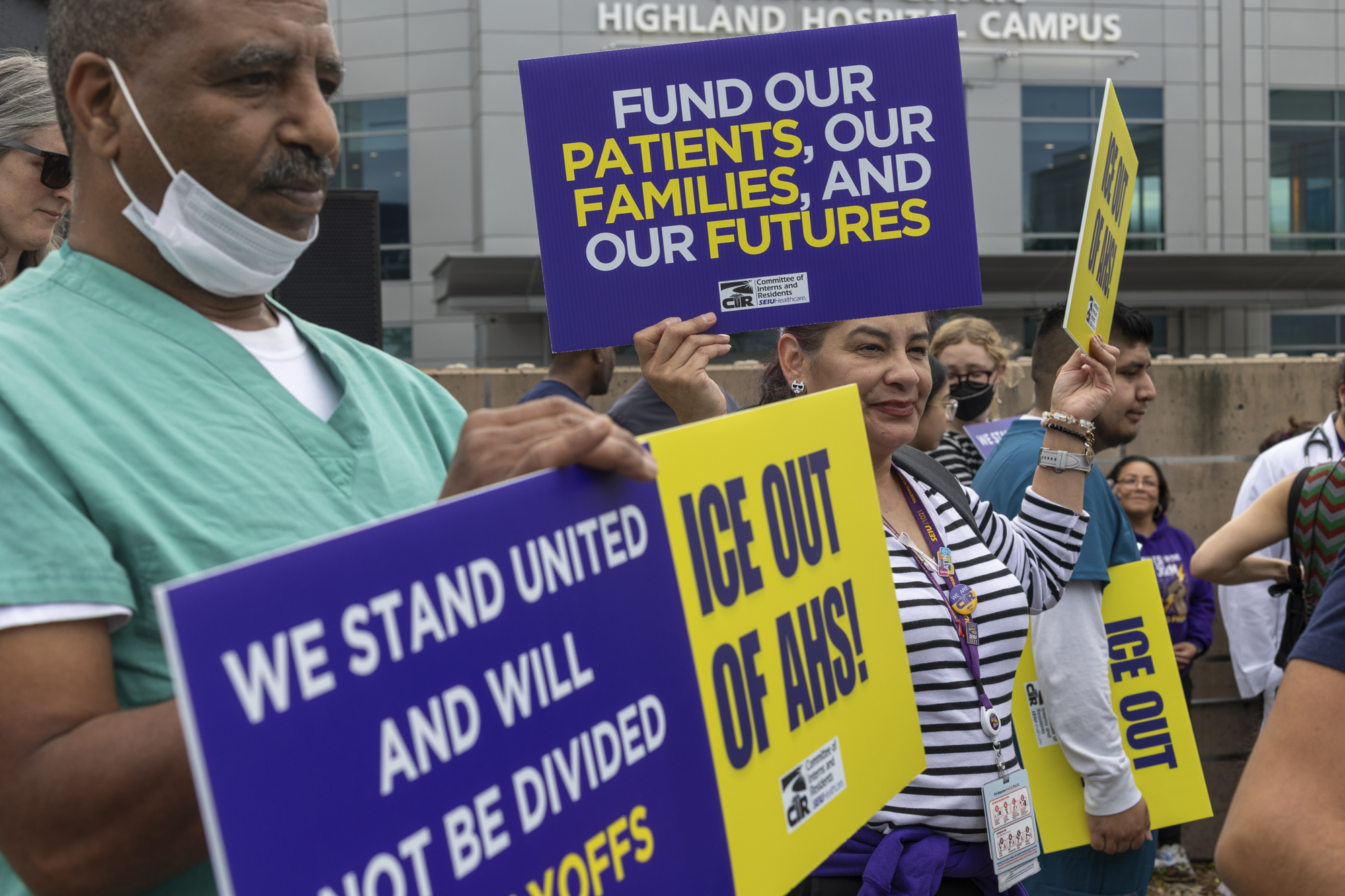
The centres for Disease Control and Prevention (CDC), long considered the backbone of American public health, is currently navigating an internal transition. Following sweeping federal workforce reductions that have trimmed the agency’s staff by nearly 30% over the past year, the CDC remains without a permanent, Senate-confirmed leader. These constraints have raised questions among experts regarding the nation’s capacity to manage potential outbreaks alongside the routine health demands of a major sporting event.
The Challenge of Mass Gatherings
Epidemiologists warn that the convergence of international travelers for extended periods creates an environment ripe for health emergencies. While federal officials maintain that the risk of Ebola—currently spreading in Central Africa—is low for the general U.S. Public, the logistical burden of screening and monitoring remains substantial. The CDC has implemented travel restrictions and is developing a dedicated data dashboard to assist state and local health departments in tracking disease trends.
Beyond the threat of Ebola, officials are focused on more common concerns, including COVID-19, the flu, RSV, and norovirus. Measles, which saw a surge in cases throughout 2025 and has already surpassed those figures in 2026, presents a particular challenge for contact tracing. Tracking a single case through crowded stadiums, hotels, and practice facilities could, according to experts, prove to be a significant logistical hurdle for already resource-strained local health agencies.
Strategic Shifts in Global Health
The administration’s decision to exit the WHO in January represents a fundamental move toward bilateral health agreements. HHS officials state that this pivot allows the U.S. To deploy resources more efficiently by engaging partners directly. However, the lack of a permanent CDC director and the loss of experienced staff have left some internal and external observers concerned about the agency’s ability to maintain the same level of international coordination previously provided through established global partnerships.
Scenario: Preparing for the Unknown
Looking ahead, the success of the public health response during the World Cup will likely depend on the effectiveness of the new bilateral data-sharing MOUs and the coordination between federal, state, and local agencies. If an infectious disease event were to occur, health officials may be forced to rely on existing, albeit leaner, infrastructure to contain the spread. Analysts expect that the effectiveness of these decentralized protocols will be tested as teams and fans move between the 11 host cities, necessitating a high degree of inter-jurisdictional cooperation.
Frequently Asked Questions
What measures are being taken to prevent Ebola from entering the U.S. During the World Cup?
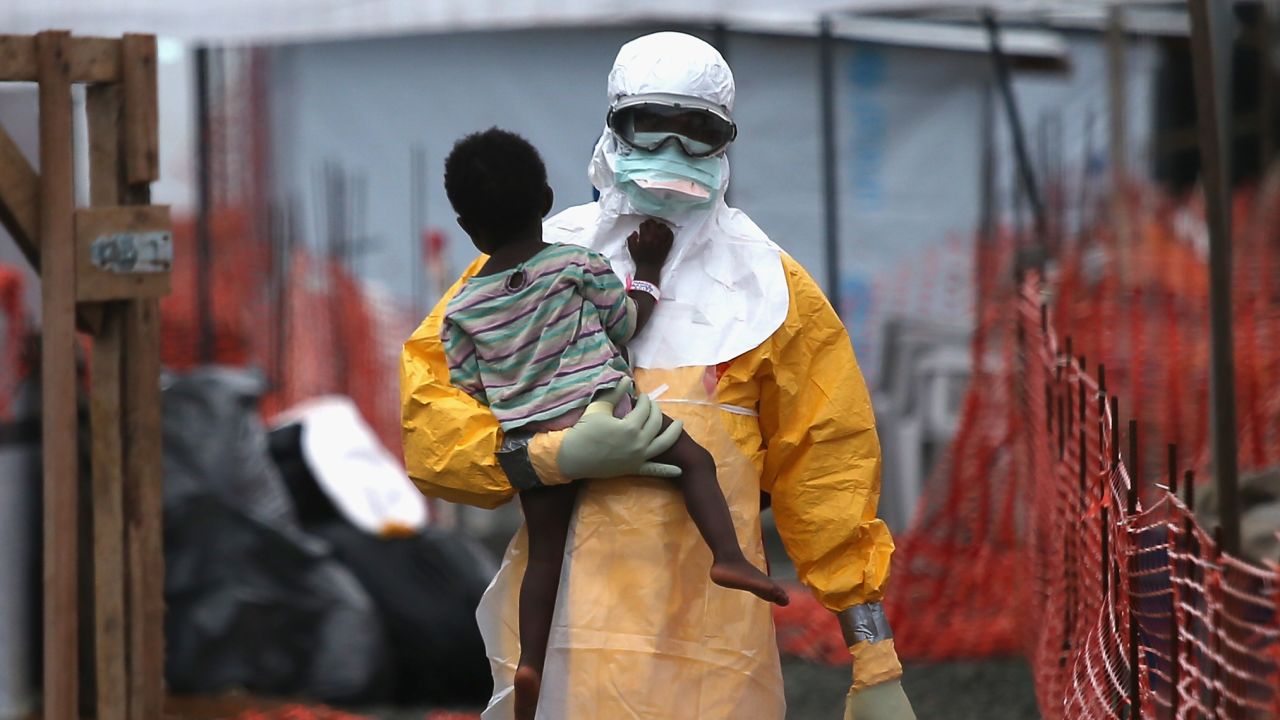
The CDC has imposed a 30-day travel restriction on visitors from regions with Ebola outbreaks, including Congo, Uganda, and South Sudan. Players from Congo are required to isolate for 21 days before entering the U.S., and returning visitors from affected areas are subject to screening at major airport hubs.
How has the CDC’s internal capacity changed recently?
The CDC has experienced a nearly 30% reduction in staff over the last year due to federal workforce cuts. The agency currently lacks a permanent, Senate-confirmed director, with leadership roles being filled by temporary appointees.
Why did the U.S. Withdraw from the World Health Organization?
The U.S. Withdrew from the WHO in January, with the Department of Health and Human Services citing the nation’s disproportionate share of the organization’s financial burden as a primary reason for the departure.
How do you believe the shift toward bilateral health agreements will impact the speed of response during future international health threats?