

Gaza Conflict: Failed Ceasefire and Escalating Humanitarian Crisis
The Gaza Standoff: Why “Stable Misery” Has Become the New Normal
In the corridors of international diplomacy, the situation in Gaza is often described using the language of progress. Yet, for those on the ground, the reality on the horizon looks less like a peace process and more like a permanent state of managed instability. As the conflict enters a phase characterized by what observers call “stable misery,” the path toward reconstruction remains obstructed by bureaucratic hurdles, geopolitical distractions and a total collapse of long-term planning.

Since the ceasefire agreement in late 2025, over 940 Palestinians have been reported killed, highlighting that even in a period of “official” cessation of hostilities, the threat of violence remains a daily reality for civilians.
The Illusion of the Ceasefire
While high-level talks once promised a roadmap toward disarmament and reconstruction, the reality is a fragmented landscape. Despite the ceasefire, daily life in Gaza is defined by sporadic bombardments and restricted movement. The strategic focus has shifted from high-intensity warfare to a creeping expansion of territorial control, with reports indicating that military objectives now encompass up to 70% of the territory.
This territorial encroachment creates a “squeezing effect” on the 2.1 million residents, leaving them in an increasingly small, densely packed area. The lack of a cohesive political exit strategy means that the region is trapped in a cycle where humanitarian aid is the only thing preventing total collapse, yet even that lifeline is heavily constrained.
The Bottleneck of Humanitarian Aid
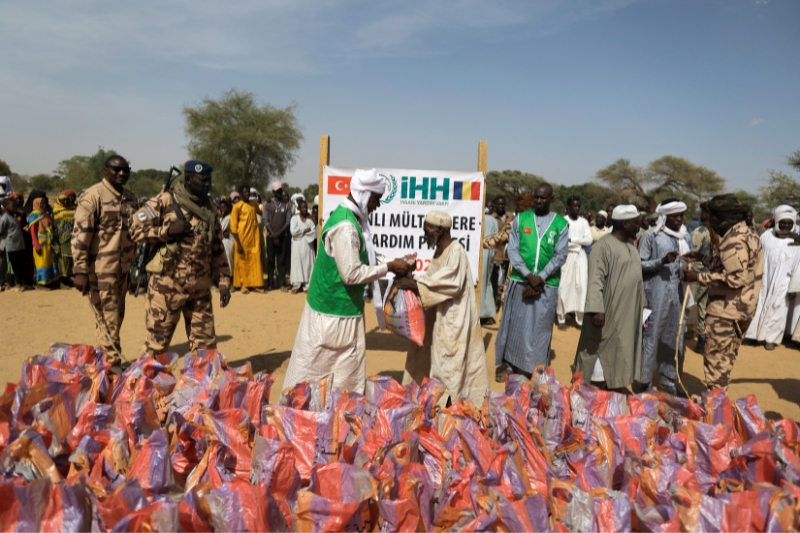
The flow of essential supplies—from medical equipment to fuel—remains subject to a complex and often unpredictable inspection process. Humanitarian organizations, such as the Red Cross, report that roughly half of all aid trucks are rejected at border crossings, often due to “dual-use” classifications where items are deemed potentially useful for military purposes.
Pro Tip: To better understand the logistical challenges of aid delivery in conflict zones, explore reports from the International Committee of the Red Cross (ICRC) regarding neutral humanitarian corridors.
This systemic restriction has led to a permanent state of crisis for infrastructure. With only a fraction of hospitals still functioning and dependence on temporary field hospitals becoming the norm, the healthcare system is effectively operating in a state of perpetual emergency. The shortage of fuel exacerbates this, impacting everything from water sanitation to the production of basic food supplies.
Geopolitical Distraction and the Policy Vacuum
Why has the international community seemingly moved on? The answer lies in the shifting sands of global geopolitics. With tensions rising in regions like Iran and other global hotspots demanding attention, the “Gaza file” has been relegated to the bottom of the diplomatic pile.
International efforts, including ambitious plans for reconstruction championed by the U.S. Administration, have stalled. In the absence of sustained political pressure, the status quo—defined by tent cities, uncollected waste, and the psychological trauma of an entire generation—has become the default setting. The lack of a clear agenda for the future is not just a diplomatic failure; it is a catalyst for further instability.
Frequently Asked Questions (FAQ)
A: Officially, yes. In practise, however, hostilities continue on a daily basis, with frequent bombardments and military operations reported by journalists on the ground.
A: Aid is strictly regulated by border authorities. A significant portion of aid shipments are blocked due to “dual-use” restrictions, and logistical bottlenecks result in inconsistent delivery schedules.
A: There is currently no active, large-scale reconstruction. Most international diplomatic efforts have stalled, leaving many residents to live in tent settlements or partially damaged structures.
Looking Ahead: The Human Cost
The long-term consequences of this “stable misery” are profound. Beyond the physical destruction, the psychological toll on children—many of whom are growing up in environments of extreme uncertainty and trauma—will shape the region for decades to come. Without a concerted shift toward a political solution, the current pattern suggests that Gaza will remain a site of managed, yet persistent, suffering.
What are your thoughts on the future of regional stability in the Middle East? Share your perspective in the comments below or subscribe to our weekly intelligence briefing for deep-dive analysis on global security trends.