
4 Bed Exercises to Rebuild Core Strength After 60
Maintaining core strength after the age of 60 is critical for nearly every daily physical action. From climbing stairs and standing up to reaching overhead and walking steadily, these movements depend on the stability of the deep abdominal and stabilizing muscles.
While many adults turn to planks to address this need, these static holds can often be counterproductive. Planks may place excessive pressure on the wrists, shoulders, and lower back, leading to discomfort that reduces workout consistency and limits long-term progress.
To address these challenges, personal trainer Tyler Read, BSc, CPT, suggests a transition to bed-based exercises. These movements utilize a soft surface to support the spine, allowing the hips, abs, and lower back to work through controlled, dynamic patterns.
Dynamic Bed Exercises for Core Stability
Unlike traditional static holds, dynamic bed exercises build practical strength that transfers directly into everyday activity. This approach focuses on improving pelvic control and trunk stability without placing undue strain on the joints.
Bed Dead Bugs
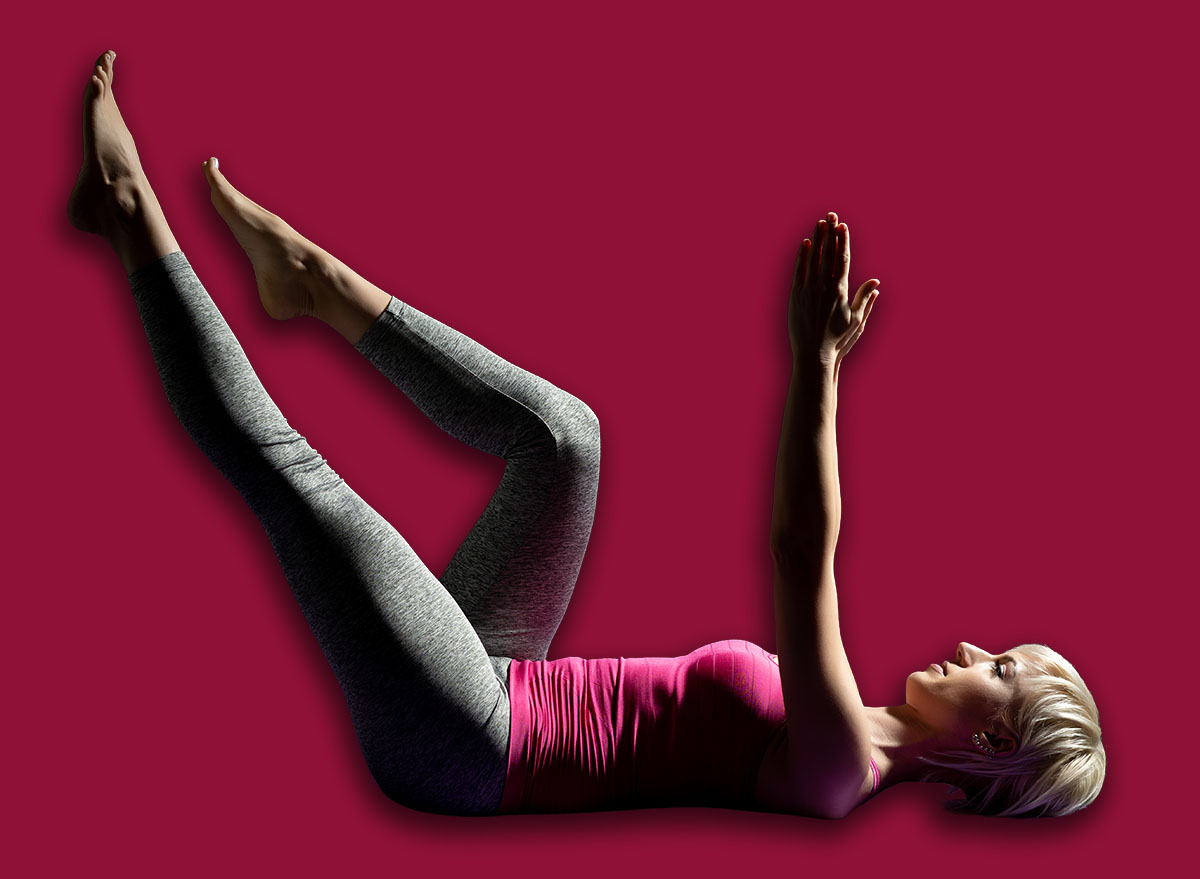
Dead bugs are designed to rebuild deep core stability by forcing the trunk to resist movement while the arms and legs move independently. Here’s particularly helpful for those struggling with poor posture or lower-back tightness.
How to Do It: Lie on your back on the bed with knees raised to 90 degrees and arms extended toward the ceiling. Gently tighten your core and slowly lower one arm and the opposite leg while keeping the lower back stable. Return to the start and alternate sides for 10 repetitions per side.
Glute Bridge Holds
Stability in the stomach and lower back is closely tied to glute strength. When hips weaken, posture may begin to collapse forward, making standing movements more difficult.
How to Do It: Lie on your back with knees bent and feet flat on the bed. Press through your heels to lift your hips upward while tightening the glutes and core. Hold the top position for 10 to 20 seconds, then lower slowly. Repeat for 5 to 8 rounds.
Bedside Toe Taps
Toe taps focus on the lower abdominal muscles and pelvic control. By removing the momentum often found in traditional ab exercises, this movement ensures deep stabilizers remain active.
How to Do It: Lie on your back with knees bent at 90 degrees and the core gently tightened. Keeping the lower back stable, slowly lower one foot to lightly tap the bed. Return to the start and alternate sides for 10 to 12 repetitions per leg.
Side-Lying Core Crunches
Many fitness routines overlook the obliques, which are essential for side-to-side stability and walking mechanics. Strengthening these muscles can help improve overall balance and spinal control.
How to Do It: Lie on one side with knees slightly bent and one hand behind the head. Gently tighten the core and lift the shoulders slightly upward, squeezing the side abdominal muscles. Lower slowly and complete 10 to 12 repetitions per side.
The Significance of Low-Impact Core Training
The use of a bed as a workout surface provides a supportive environment that reduces joint pressure. This makes the exercises more approachable, which is likely to increase the consistency of the routine.
By challenging the core from different angles—front, back, and sides—these movements address the various stabilizers required for trunk stability. This comprehensive approach helps the midsection feel more supportive during daily activities.
If these exercises are integrated into a daily practise, individuals may experience improved walking stability and better posture. Over time, this consistent engagement of the deep abdominal muscles could lead to a steadier and more controlled physical presence.
Frequently Asked Questions
Why are bed exercises preferred over planks for adults over 60?
Planks can place too much pressure on the wrists, shoulders, and lower back. Bed exercises provide a soft surface that supports the spine and utilizes dynamic movements instead of static holds, reducing joint strain.
How do dead bugs improve trunk stability?
Dead bugs force the trunk to resist movement while the arms and legs work independently. This restores control to the deep abdominal muscles and improves coordination between the upper and lower body.
What is the benefit of targeting the obliques with side-lying crunches?
The obliques are responsible for side-to-side stability. Strengthening them may help correct poor posture, improve balance, and enhance walking mechanics.
Do you prefer static exercises like planks or dynamic movements for your fitness routine?