

4 Best Shows to Watch on HBO Max Right Now
The Rise of “Heritage Porn”: Why We’re Obsessed with Luxury Restorations
For years, home renovation TV was dominated by the “flip”—buying a suburban fixer-upper, slapping on some grey paint, and selling it for a profit. But as seen with the success of niche hits like Castle Impossible, the appetite has shifted. We are entering the era of “Heritage Porn.”
Audiences are no longer just looking for design tips; they are seeking escapism through architectural grandeur. The trend is moving toward the restoration of historical landmarks, where the stakes are higher and the aesthetics are more opulent. This shift mirrors a broader cultural desire for permanence and craftsmanship in an increasingly digital, disposable world.
Industry data suggests that “luxury lifestyle” content sees higher engagement rates among Gen Z and Millennials, who use these shows as “digital mood boards” for their own aspirations. This trend is likely to expand into more international territories, focusing on ancestral homes in Italy, Japan, and beyond.
Beyond the Box Score: The New Wave of Sports Storytelling
The success of docudramas like Winning Time: The Rise of the Lakers Dynasty signals a pivot in how we consume sports history. We’ve moved past the standard highlight reel and the talking-head documentary. The future of sports media is the “Stylized Epic.”
By blending factual timelines with cinematic dramatization, creators are focusing on the psychology of greatness and the toxicity of ego rather than just the wins and losses. This approach allows for a deeper exploration of the “Showtime” era or the internal politics of a franchise, making the content accessible even to those who aren’t die-hard sports fans.
The “Last Dance” Effect
The blueprint for this trend was arguably The Last Dance, which proved that sports narratives could drive massive subscription spikes for streaming platforms. We can expect more “prestige sports” series that utilize high-end cinematography and A-list acting to treat athletic history as high art.
From Cringe to Comfort: The Evolution of the Modern Sitcom
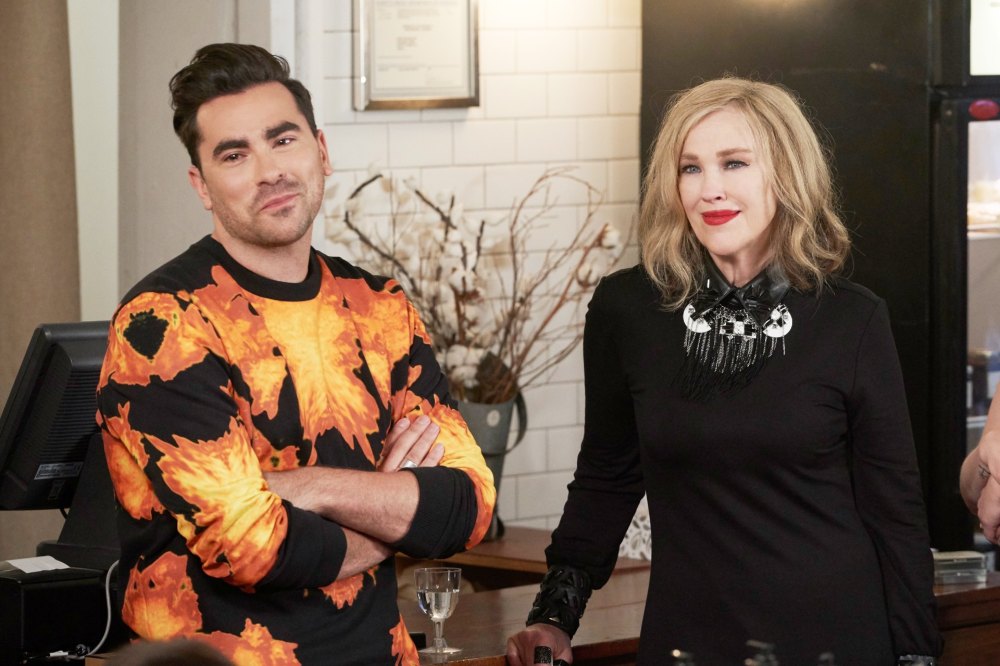
Comedy is currently split between two powerful poles: the “Glorious Trainwreck” and the “Warm Hug.” On one hand, we have the legacy of the delusional anti-hero, epitomized by Danny McBride’s Kenny Powers in Eastbound & Down. On the other, we have the radical kindness of Schitt’s Creek.
For a long time, “cringe comedy” was the gold standard. However, there is a growing trend toward “Hope-punk” or “Comfort TV”—shows that prioritize character growth and genuine emotional connection over irony and cynicism. The massive global success of Schitt’s Creek proved that audiences are craving narratives where characters actually become better versions of themselves.
Looking ahead, the most successful comedies will likely be those that can balance these two elements: the sharp, satirical edge of a character’s flaws paired with a sincere emotional core. This “hybrid humour” keeps viewers engaged through laughter while keeping them invested through empathy.
For more on how storytelling is evolving, check out our guide on the evolution of streaming narratives.
The Streaming Shake-up: Consolidation and the “Super-App”
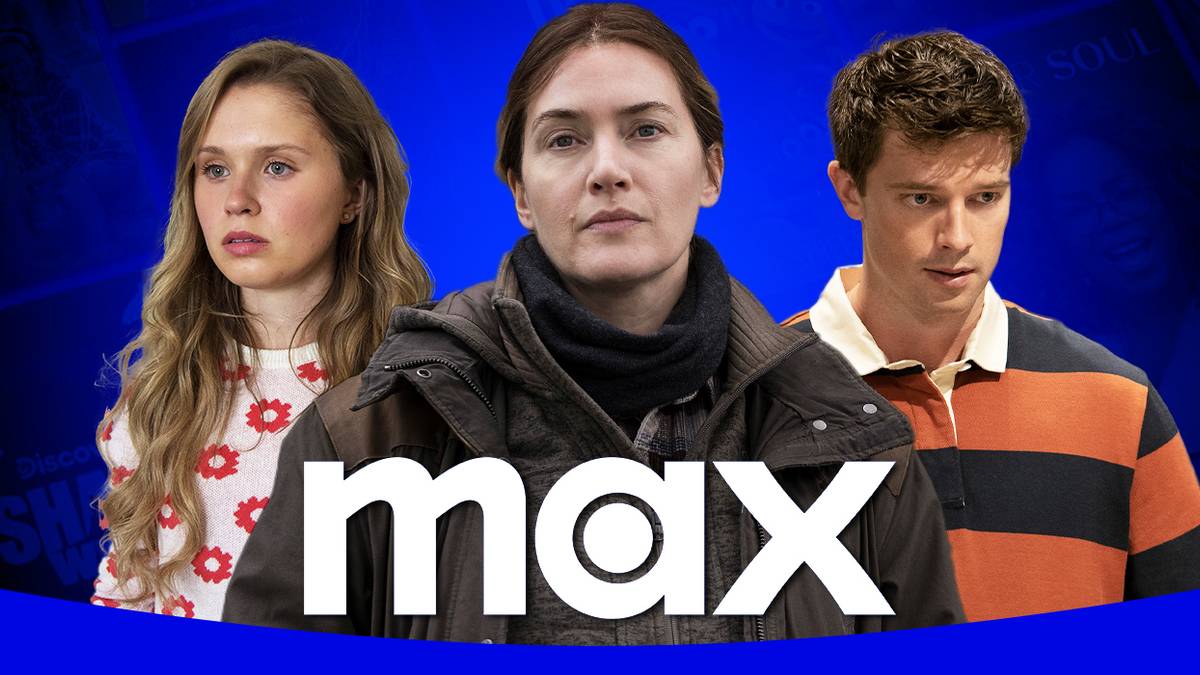
The rebranding of services like Max and the introduction of ad-supported tiers are not just corporate tweaks; they are symptoms of the “Great Consolidation.” The era of having ten different $15 subscriptions is ending because of “subscription fatigue.”
The future points toward the “Super-App” model. Platforms are no longer just libraries of movies; they are becoming ecosystems that integrate live sports, news, gaming, and on-demand content. By offering tiered pricing—from budget ad-supported plans to premium ad-free experiences—services are attempting to capture every segment of the market.
According to recent market analysis from Variety, the industry is shifting back toward a “bundle” mentality, reminiscent of old cable packages but with the flexibility of digital access. This ensures a steadier stream of revenue (ARPU – Average Revenue Per User) while reducing churn rates.
Frequently Asked Questions
Why are streaming platforms introducing ads again?
To lower the entry price for consumers and create a dual revenue stream. Advertisers pay the platform, and the user pays a smaller monthly fee, making the service more sustainable as subscriber growth plateaus.
What is a “docudrama”?
A docudrama is a filmed dramatization based on real events. Unlike a documentary, it uses actors and scripted dialogue to recreate scenes, though it aims to remain faithful to the historical facts.
Will “Comfort TV” replace edgy comedies?
Not replace, but balance. There will always be a market for the “anti-hero,” but there is a significant increase in demand for “low-stress” content that provides emotional security during turbulent times.
Want to stay ahead of the curve?
Join our community of entertainment insiders. Subscribe to our newsletter for weekly deep dives into the trends shaping the future of cinema and streaming.