
Tuberculosis: Challenges, New Treatments, and AI Diagnosis
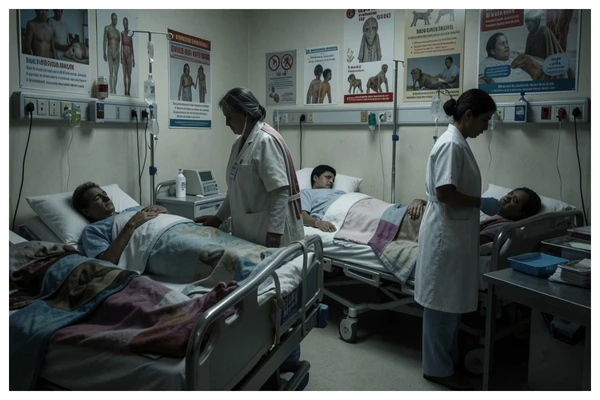
Tuberculosis remains one of the deadliest infectious diseases globally, despite the availability of free treatment through Brazil’s Unified Health System (SUS). The primary challenge lies not only in timely diagnosis but in ensuring patients complete a rigorous six-month antibiotic regimen.
Failure to finish this long-term treatment can lead to the development of drug-resistant bacteria. This complication makes the disease significantly harder to treat and increases the risk of mortality.
The Gap in Eradication Efforts
Despite global strategies, the eradication of tuberculosis is progressing slower than anticipated. Obstacles range from delayed diagnoses to the complexity of treating resistant strains.
According to a 2025 study published in The Lancet Regional Health, Brazil recorded 39.8 cases per 100,000 inhabitants in 2023. Projections suggest the country may reach 18.5 cases per 100,000 by 2030, a figure nearly three times higher than the goal set by the WHO.
Biological and Social Determinants
The persistence of the disease is driven by a combination of biological and social factors. Pneumologist José Eduardo Afonso Junior notes that cases are concentrated in low- and middle-income countries and among vulnerable groups.

Risk factors include living with HIV, diabetes, malnutrition, and smoking. Social determinants such as poverty and precarious housing contribute to the spread of the infection.
Treatment abandonment is often triggered by financial difficulties, the need to work, or a lack of regular access to healthcare. Social stigma, low education levels, and the costs of travelling long distances to clinics also hinder patient adherence.
Scientific Breakthroughs and Drug Resistance
Because Mycobacterium tuberculosis can survive for long periods in the organism, strict adherence to the six-month antibiotic window is essential. If interrupted, surviving microorganisms may evolve into resistant forms.
Resistant cases typically require longer, more expensive therapies and yield lower cure rates. Researchers are focusing on identifying new vulnerabilities in the bacteria.
A study from January 2026 in Nature Communications identified a cellular recycling mechanism called ClpC1. The bacteria rely on this system to eliminate damaged structures and survive.
Disrupting the ClpC1 system could make the bacteria more vulnerable to the body’s natural defenses. This discovery may pave the way for more effective antibiotics and shorter treatment durations.
Accelerating Diagnosis with Artificial Intelligence
Beyond new drugs, science is leveraging technology to speed up detection. Strategies include rapid tests using oral mucosa samples and the expanded use of portable X-rays.
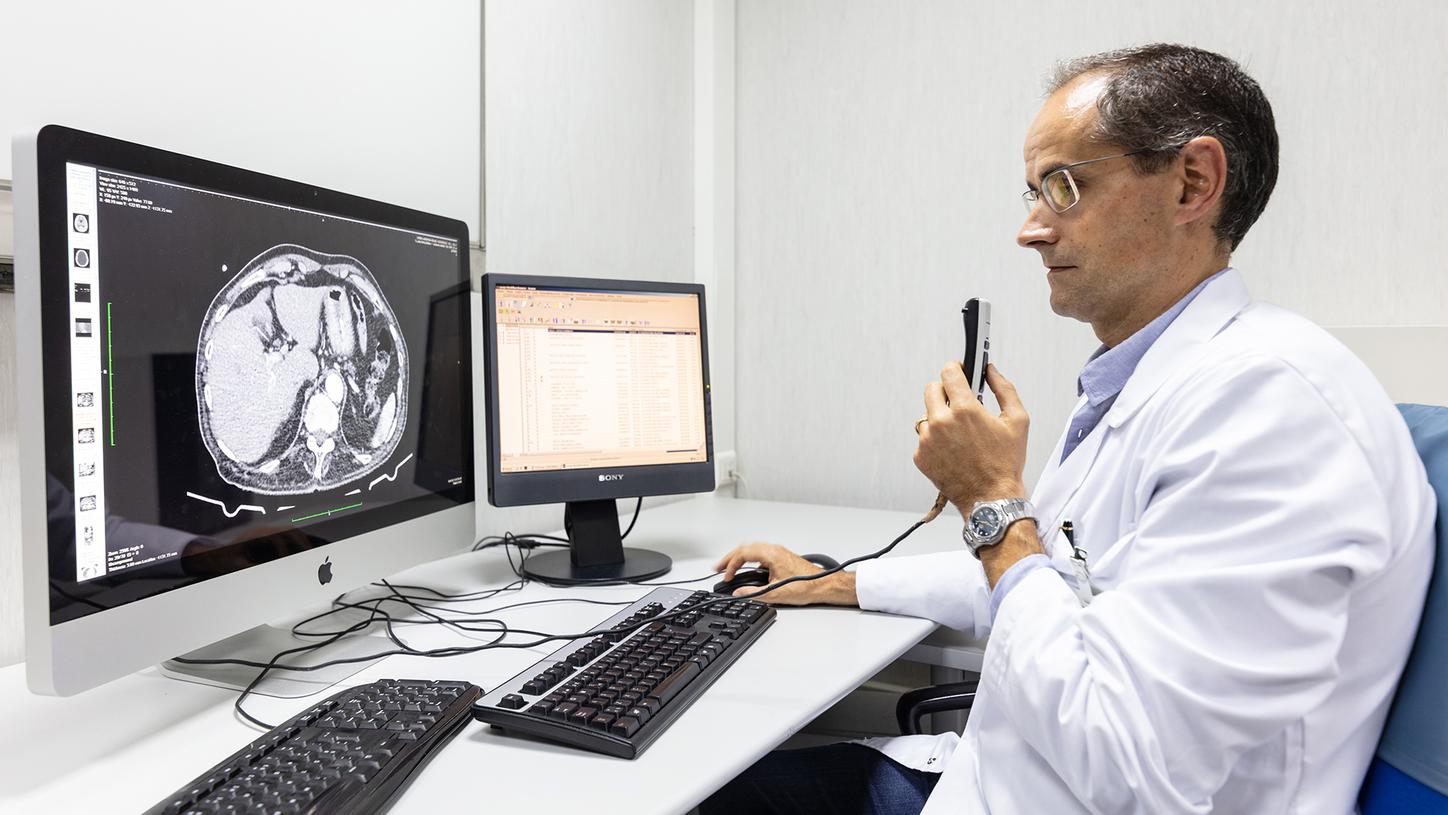
A project developed by Einstein within the Proadi-SUS program uses artificial intelligence to analyze chest X-rays. The system automatically detects signs such as pulmonary consolidations and opacities.
Radiologist Pedro Vieira explains that the AI serves as a “second look” for physicians, analyzing images in seconds. This allows suspicious cases to be prioritized for confirmatory laboratory tests.
This technology is particularly vital in remote regions or areas with a shortage of radiologists. Faster diagnosis may reduce the window of transmission to other people.
The project is currently in clinical validation across ten research centers, having already included nearly 2,000 positive cases. A possible next step is the regulatory evaluation by Anvisa to allow the technology’s integration into the SUS.
Frequently Asked Questions
Why is the tuberculosis treatment period so long? The treatment lasts six months because the bacteria can survive for extended periods in the body. Shortening the treatment without medical supervision can allow the bacteria to survive and develop resistance to medications. What is the significance of the ClpC1 discovery? Researchers found that the bacteria depend on the ClpC1 internal recycling mechanism to survive. Targeting this mechanism could lead to the development of shorter, more effective antibiotic treatments. How does artificial intelligence assist in detecting tuberculosis? AI systems can analyze chest X-rays in seconds to identify opacities and consolidations. This helps doctors prioritize high-risk cases for laboratory confirmation, especially in regions with few specialists. How can society better support patients in completing long-term medical treatments to prevent the rise of drug-resistant infections?