
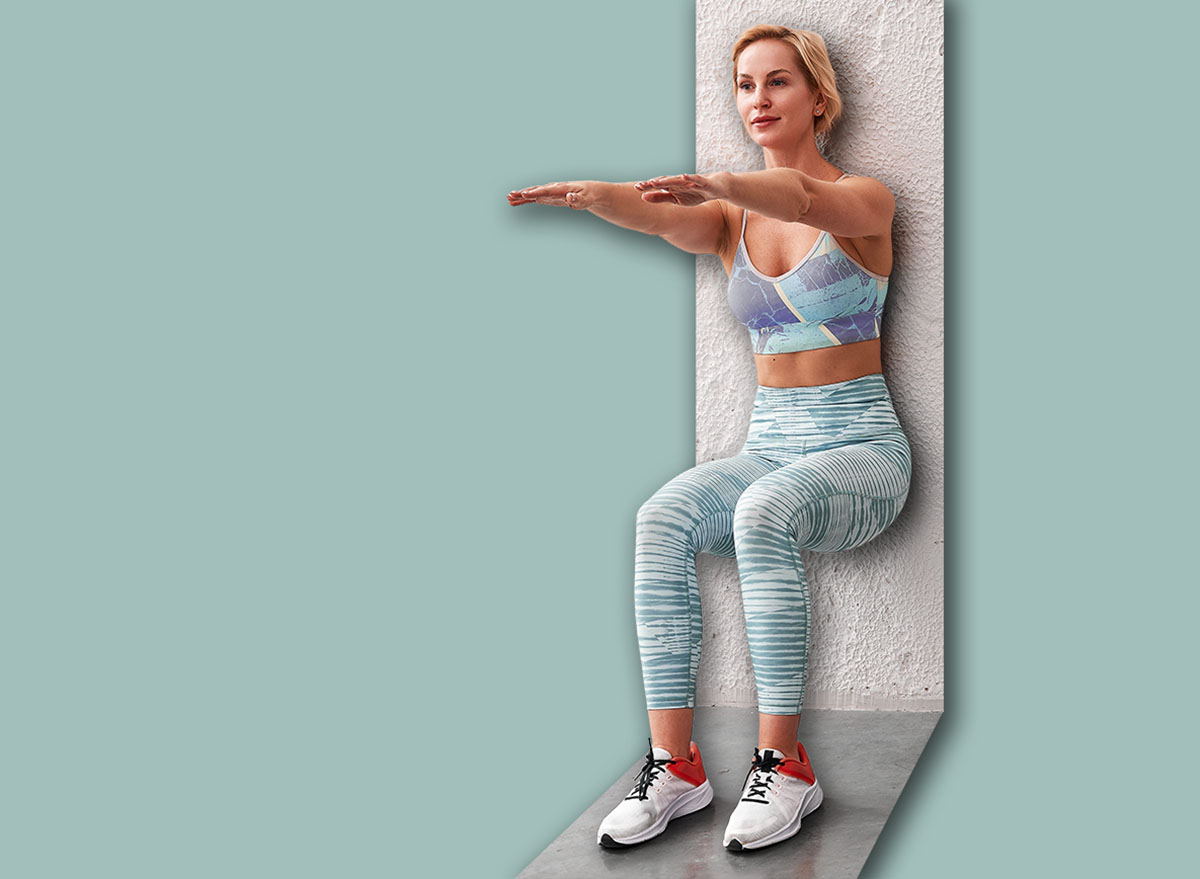
5 Essential Standing Exercises to Restore Quad Strength After 60
As people age, maintaining quad strength becomes critical for preserving mobility and independence. The quadriceps, located at the front of the thighs, play a vital role in everyday activities like standing, climbing stairs, and balancing. However, these muscles often weaken with age, making routine tasks more difficult. Many older adults rely on gym machines like leg presses, but these exercises may not effectively translate to real-world movement, as they limit engagement of stabilizing muscles. A 2025 study highlights that functional standing exercises better enhance balance, mobility, and lower-body coordination compared to isolated machine workouts. This has led experts to emphasize compound movements that mimic daily actions.
James Brady, a certified personal trainer at OriGym, recommends five standing exercises to restore quad strength and lower-body function for individuals over 60. These movements—sit-to-stand squats, split squats, step-ups, wall sits, and reverse lunges—are designed to improve functional strength, stability, and joint health. Each exercise targets the quads while incorporating elements of balance and coordination, addressing the limitations of traditional resistance machines. By focusing on real-life motions, such as climbing stairs or rising from a chair, these routines aim to enhance overall quality of life.
Looking ahead, the adoption of functional exercises like these could become more widespread as healthcare professionals and fitness experts advocate for age-specific training methods. However, the effectiveness of these routines may vary based on individual adherence and proper form. Future research could further refine these approaches, potentially integrating technology or personalized coaching to optimize outcomes. For now, the emphasis remains on accessible, low-impact exercises that prioritize long-term mobility.
Frequently Asked Questions What role do quadriceps play in daily activities after 60? Quadriceps are essential for standing, climbing stairs, walking, and maintaining balance, making their strength vital for independent living. Why are gym machines less effective for older adults? Gym machines stabilize the body, reducing engagement of smaller stabilizing muscles needed for real-world balance and coordination. What are the benefits of functional standing exercises? They improve balance, mobility, and lower-body coordination while enhancing joint health and translating to everyday movements.
How might these exercises evolve in the future?