

6 Most Common Types of Cancer: WHO Statistics and Prevention Tips
Cancer originates when cells divide abnormally and uncontrollably, gradually destroying tissues and disrupting the essential functions of the affected organ. While this process can occur in nearly any part of the body, global health statistics indicate that six specific organs are most frequently affected due to cell characteristics, genetics, age, or prolonged exposure to environmental pollutants.
The Six Organs Most Susceptible to Cancer
1. The Lungs
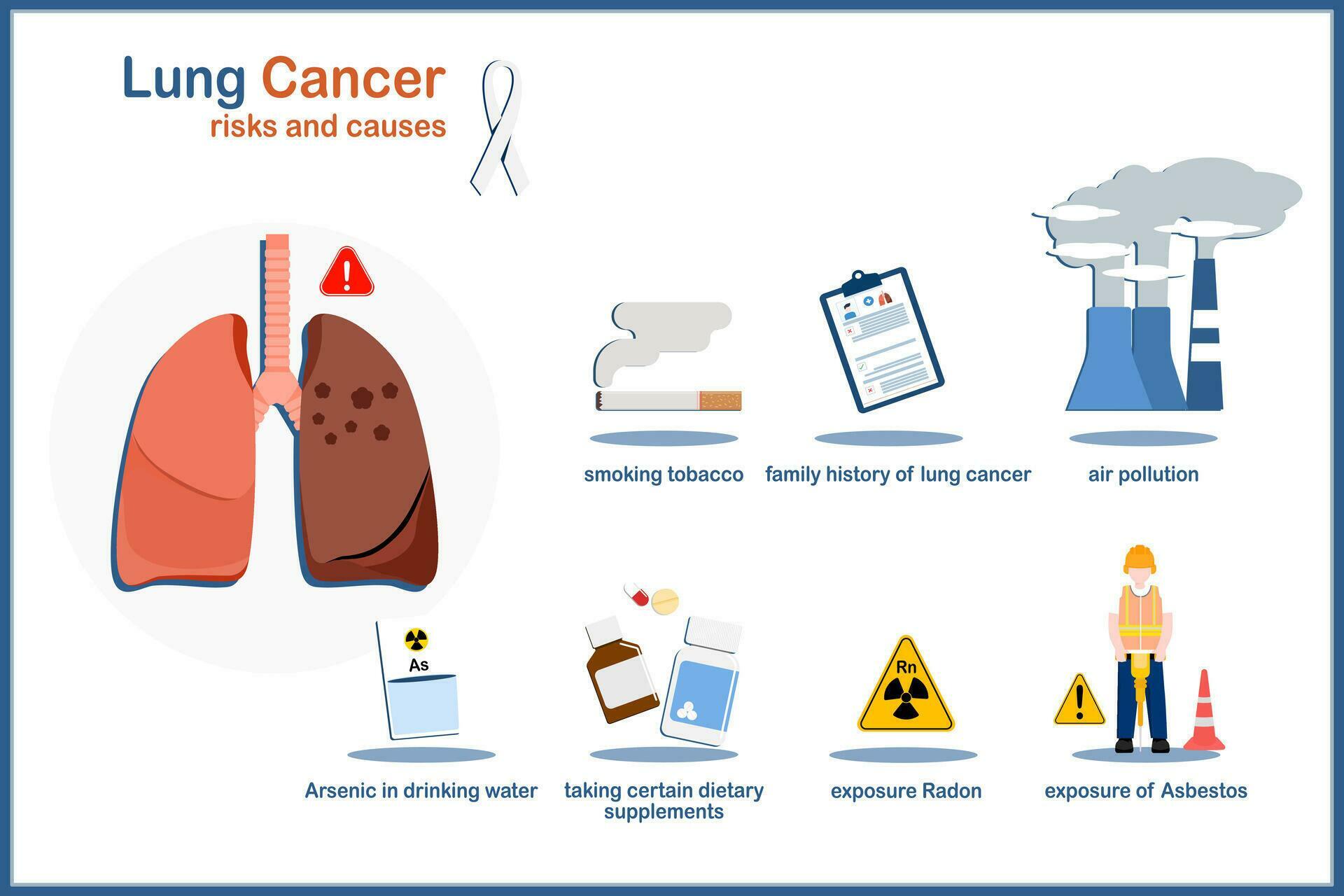
Cancer in the lungs typically forms in the epithelial tissues of the bronchi and small alveoli, which are highly sensitive areas. This type of cancer is most prevalent among smokers, those exposed to second-hand smoke, and individuals who breathe in air pollution, chemicals, or toxic dust over long periods. The most critical preventative measures include quitting smoking and avoiding smoke-filled environments.
2. The Breasts
Breast cancer often develops within the milk ducts and mammary glands, areas heavily influenced by female hormone fluctuations. Risk is closely linked to increasing age and hormonal shifts. Regular screenings, such as mammograms, are essential for early detection and timely treatment.
Did You Know? Colorectal cancer occurs in the epithelial lining of the colon and rectum, a region characterized by the constant recycling and turnover of cells.
3. The Colorectum
This cancer affects the epithelial tissues of the large intestine, and rectum. High consumption of red meats, such as beef and pork, and processed meats like sausages and bacon—combined with a low-fiber diet—significantly increases risk. Protecting the colon is best achieved by increasing the intake of vegetables, fruits, and whole grains.
4. The Prostate
Developing in the glandular tissue of the male reproductive system, prostate cancer is most commonly detected in men over the age of 50. As age increases, cell damage accumulates while the body’s natural repair mechanisms slow down. Physicians primarily use the Prostate-Specific Antigen (PSA) blood test for screening.
5. The Liver
Liver cancer begins directly in the liver cells and often evolves from chronic liver disease, heavy alcohol consumption, or prolonged chemical exposure. Chronic infections of Hepatitis B and C are also primary risk factors, making the Hepatitis B vaccine a highly effective preventative tool.
6. The Stomach
This cancer forms in the inner lining of the stomach and is deeply connected to dietary habits, including the consumption of fermented foods, spicy foods, or charred, grilled meats. Long-term infection by Helicobacter pylori (H. Pylori) bacteria, combined with poor dietary hygiene, can lead to chronic inflammation that damages cells and triggers malignancy.
Expert Insight: Samantha Carter notes that the significance of these findings lies in the clear link between modifiable lifestyle behaviors—such as diet and smoking—and organ-specific risks. The stakes are highest for those in high-pollution environments or those with chronic infections, where proactive intervention is most critical.
Significance and Implications
The data underscores that while cancer is a systemic threat, the vulnerability of specific organs is often tied to their biological function or their direct contact with external toxins. This allows for a targeted approach to health, where specific screenings (like PSA tests or mammograms) and vaccinations can be prioritized based on age and gender.
Potential Future Outlook
Increased public awareness of dietary triggers, such as processed meats and charred foods, may lead to a shift in eating habits that could reduce colorectal and stomach cancer risks. Widespread adoption of the Hepatitis B vaccine and more frequent screening programmes could potentially improve early detection rates across these six high-risk organs.
Frequently Asked Questions
Which environmental factors most impact lung cancer risk?
Smoking, second-hand smoke, air pollution, and long-term exposure to chemicals and toxic dust are the primary environmental risks.
How can the risk of colorectal cancer be reduced through diet?
Reducing the intake of red meats (beef, pork) and processed meats (sausages, bacon) while increasing the consumption of fiber-rich vegetables, fruits, and whole grains can help protect the colon.
What is the primary screening method for prostate cancer?
Doctors primarily use a blood test to check for the Prostate-Specific Antigen (PSA) marker.
Which of these preventative measures do you find most challenging to incorporate into your daily routine?