

Cannabis and tobacco co-use lowers cognitive performance in at-risk youth
New research indicates that the combined use of cannabis and tobacco—referred to as “co-use”—is linked to lower cognitive performance in individuals at clinical high risk for psychosis. This finding, published in Biological Psychiatry: Cognitive Neuroscience and Neuroimaging, highlights potential risks for vulnerable adolescents.
Understanding the Risks of Co-Use
The study analysed data from 734 individuals at clinical high risk for psychosis and 278 healthy controls as part of the North American Prodrome Longitudinal Study 2. Researchers found that at-risk individuals who used both cannabis and tobacco performed worse on a broad range of cognitive tests compared to the healthy control group.

Co-use has been increasing in the general population over several decades. In the United States, one in five daily cigarette smokers between the ages of 18 and 25 also uses cannabis daily.
The Critical Window of Intervention
Cognitive impairment is often one of the earliest indicators of psychosis risk. This represents particularly significant during the “prodrome,” the critical early window where warning signs emerge before the development of definitive illness-specific symptoms.
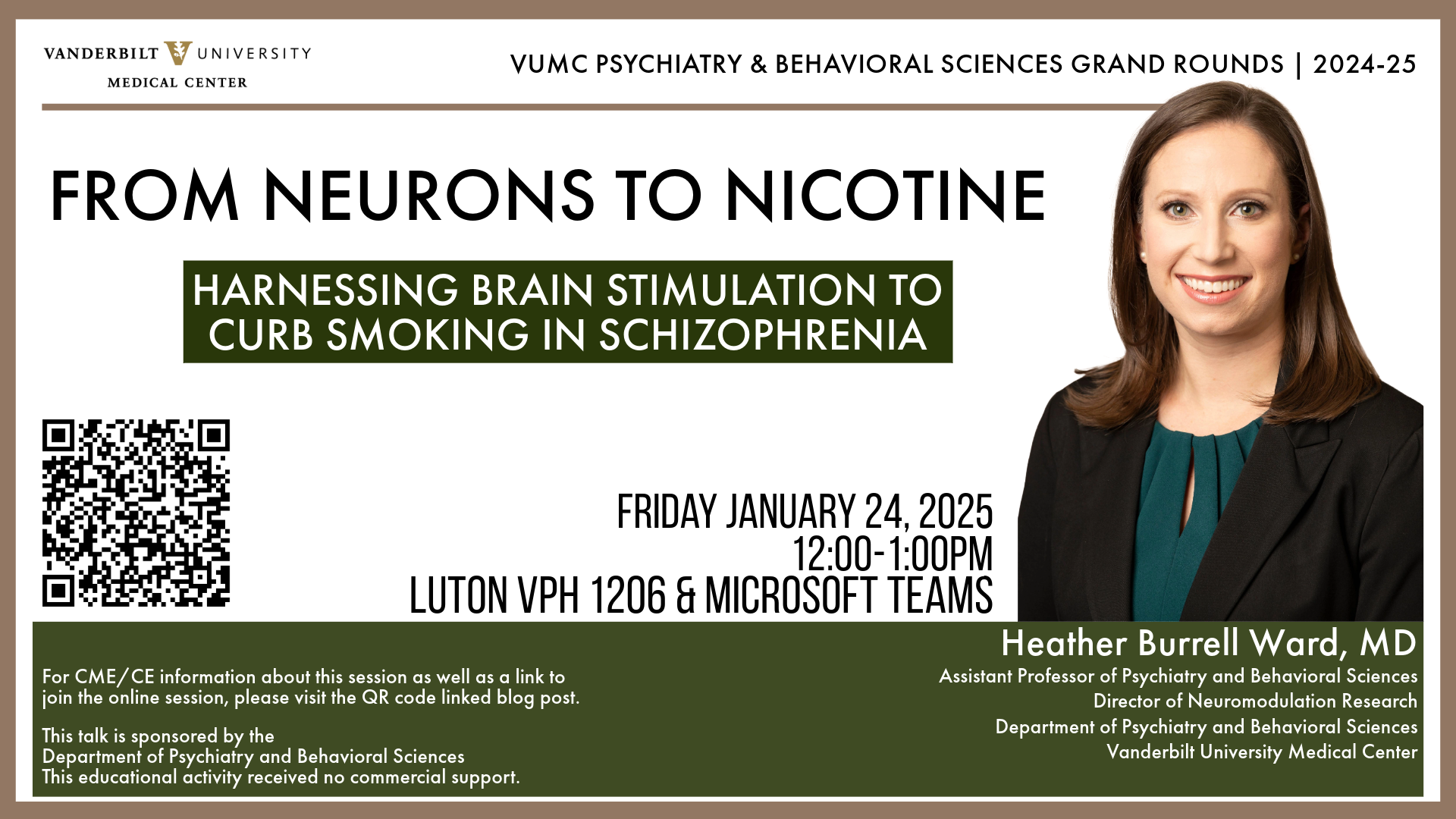
Lead investigator Heather Burrell Ward, MD, noted that the study utilized a comprehensive battery of neuropsychological testing to observe these effects. Understanding this impact is vital because adolescence is a period when substance use often begins and attenuated psychotic symptoms may first appear.
The Socially Impaired Subtype
Researchers discovered a surprising trend among participants at risk for psychosis who reported using no substances. This group also exhibited lower cognitive performance and the lowest levels of social function.
Co-investigator Ricardo E Carrión, PhD, suggests these individuals may represent a distinct, socially impaired subtype. Because substance use is frequently linked to social interactions, those who are less social may simply have fewer opportunities to engage in co-use.
Future Implications and Clinical Care
While the associations are clear, the exact causality remains unknown. Future research may investigate the frequency of cannabis and tobacco use over time to better understand the directionality of these links.
As a possible next step, clinicians working with at-risk youth could begin regularly screening for the co-use of tobacco and cannabis. Such a comprehensive approach may inform early intervention strategies for adolescent mental health.
Frequently Asked Questions
What is “co-use” in the context of this study?
Co-use refers to the simultaneous use of both cannabis and tobacco.
Who participated in the research?
The researchers analysed data from 734 individuals at clinical high risk for psychosis and 278 healthy controls.
What was the surprising finding regarding non-substance users?
At-risk individuals who did not use any substances also showed lower cognitive performance and the lowest social function, potentially representing a socially impaired subtype.
How do you think early screening for substance co-use could impact adolescent mental health care?