

60-Day Ceasefire Deal to Reopen Strait of Hormuz
A proposed agreement to halt fighting for 60 days and reopen the Strait of Hormuz aims to stabilize global energy markets, according to officials. The deal prioritizes an immediate ceasefire and maritime access while deferring complex nuclear disputes to a later date to prevent immediate military escalation.
Why is reopening the Strait of Hormuz the priority?
Opening the Strait of Hormuz prevents a global energy price shock. Officials state that the primary goal of the 60-day window is to ensure the free flow of tankers, which reduces the immediate risk of oil price spikes that trigger global inflation.
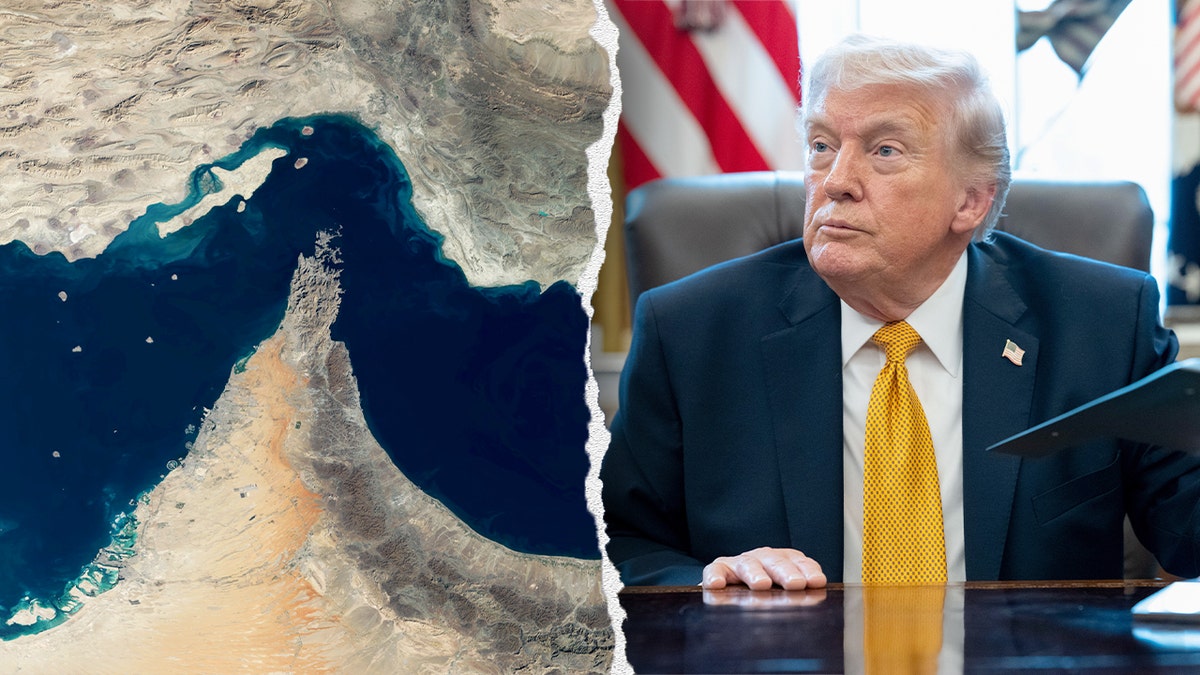
When the Strait faces closures or threats, markets react instantly. For example, historical spikes in Brent Crude prices often follow reports of maritime instability in the Persian Gulf. By securing this route first, negotiators remove the most urgent economic pressure from the table before tackling political disagreements.
What happens during a 60-day ceasefire?
A short-term freeze acts as a “cooling-off” period. According to diplomatic precedents, these windows allow both sides to verify the other’s commitment to peace without committing to a permanent treaty immediately. It’s a confidence-building measure.
During these 60 days, officials expect a reduction in drone activity and naval skirmishes. This timeframe is specifically designed to be long enough to prove stability but short enough to maintain pressure on the parties to return to the negotiating table for the “thornier” issues.
How will nuclear negotiations change after the freeze?
The deal intentionally leaves nuclear issues for later. This strategy separates immediate security threats—like shipping attacks—from long-term strategic goals, such as limiting uranium enrichment. Officials say this prevents the entire deal from collapsing over a single sticking point.
Comparing this to the 2015 Joint Comprehensive Plan of Action (JCPOA), the current approach is more incremental. While the JCPOA sought a comprehensive package, this new framework uses a “step-by-step” model. This means maritime security is traded for a ceasefire, and only then are nuclear concessions discussed.
The risks of deferring nuclear talks
Critics of this approach argue that deferring nuclear issues allows for further enrichment progress. According to reports from the International Atomic Energy Agency (IAEA), any gap in oversight can lead to a “breakout time” reduction, where a nation moves closer to weapons-grade material while the world is distracted by a ceasefire.

What are the long-term trends for regional stability?
The shift toward short-term, functional agreements suggests a trend of “de-confliction” rather than full peace. Instead of seeking a grand bargain, nations are opting for manageable “mini-deals” to avoid accidental war.
This trend is visible in other global hotspots where combatants agree on humanitarian corridors or grain shipments without resolving the underlying territorial disputes. It’s a pragmatic approach to survival in a multipolar world.
Frequently Asked Questions
Will this deal permanently lower oil prices?
Not necessarily. While it removes the “risk premium” caused by a closed Strait, prices still depend on overall OPEC+ production quotas and global demand.
What happens if the ceasefire is broken?
Officials indicate that a breach would likely lead to a return of sanctions and a potential increase in naval presence to protect commercial shipping.
Why not solve the nuclear issue and the ceasefire at once?
Nuclear negotiations are technically complex and politically sensitive. Separating them prevents a deadlock on enrichment levels from triggering a hot war in the Strait.
For more analysis on global energy security, see our guide on maritime chokepoints and trade or explore the latest International Energy Agency reports on oil volatility.
Do you think short-term ceasefires lead to long-term peace, or are they just delays?
Join the conversation in the comments below or subscribe to our geopolitical newsletter for weekly briefings.