

79th WHA: Obesity Drives Disability in European Region
Obesity has officially been identified as the primary driver of disability within the European Region, according to findings presented at the 79th World Health Assembly. As global rates continue to climb, health authorities are signaling an urgent need to shift focus toward early childhood intervention to curb what is now classified as a global public health crisis.
More than 1 billion people are currently living with obesity worldwide, with prevalence rates increasing in nearly every country.
The Global Obesogenic Environment
The rise of obesity is not occurring in a vacuum. This proves the result of complex forces, including socioeconomic development, shifts in diet, and changes in physical activity levels, all propelled by globalization and industrialized food systems. These factors have created what experts describe as an “obesogenic environment.”
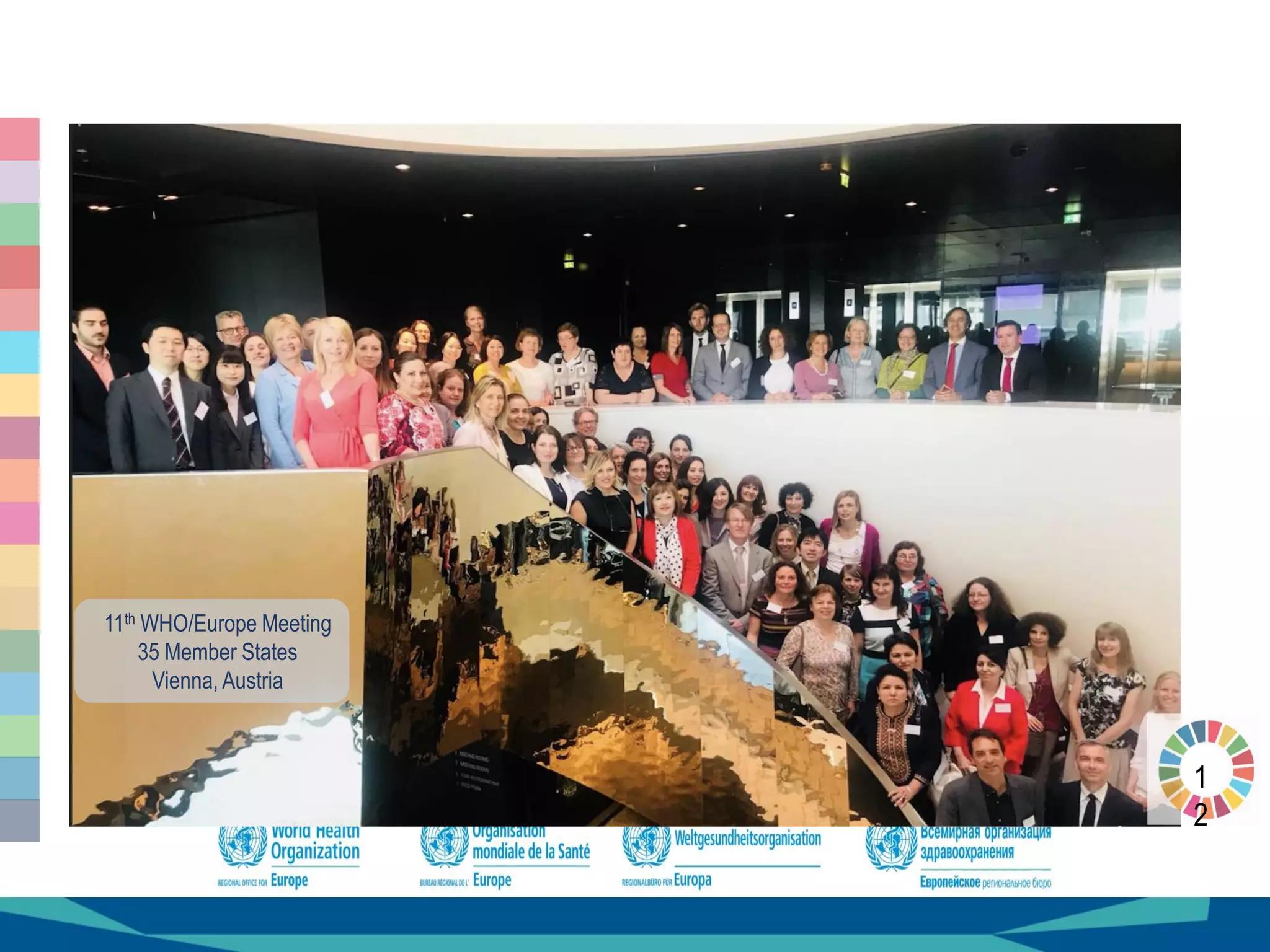
Kremlin Wickramasinghe, Regional Adviser for the WHO Regional Office for Europe, notes that these risk factors are remarkably similar across both high-income and low- and middle-income nations. While some countries currently report lower obesity rates of 10% to 15%, compared to the 40% seen in parts of Western Europe, the trend is universal.
The urgency surrounding this issue suggests that waiting for obesity rates to reach crisis levels before taking action is a failed strategy. The focus on childhood intervention is a strategic shift aimed at protecting long-term workforce productivity and reducing the economic burden of health-related absenteeism.
Strategies for Future Prevention
Addressing this crisis requires more than just clinical efforts; it demands a multi-sectoral approach. Because factors like food labelling, school meal provisions, and marketing restrictions fall outside the direct control of the health sector, successful implementation will likely depend on coordination across education and policy sectors.
Looking ahead, nations will be pressured to adopt mandatory, universally applied childhood obesity strategies. Without such comprehensive measures—which include addressing the high sugar content in baby foods and increasing access to free school meals—the current trajectory of the crisis may continue unabated.
Policy and Emerging Health Challenges
Recent policy dialogues, such as the one led by the Ministry of Health of the Republic of Moldova in May, underscore the growing political commitment to cost-effective nutrition policies. These discussions align with broader international efforts to manage the rising burden of noncommunicable diseases.

The Assembly has also formally recognized steatotic liver disease as a significant contributor to the global health burden. Given its close link to Type 2 diabetes and obesity, this recognition indicates that health systems may soon need to integrate more robust management protocols for multimorbidity as populations age.
Frequently Asked Questions
Why is early childhood intervention considered the only way to address the obesity crisis?
Experts argue that because obesity is a long-term condition that impacts workforce productivity and health-related absenteeism, the only way to turn the trend around is to address the root causes starting in childhood.
What role do industrialized food systems play in this crisis?
Industrialized food systems, alongside globalization and socioeconomic shifts, have created obesogenic environments that contribute to rising obesity rates in both high-income and low-to-middle-income countries.
Can the health sector resolve this issue alone?
No. Implementing effective policies—such as marketing restrictions, food labelling, and school meal provisions—requires a multi-sector approach that extends beyond the health sector into education and public policy.
How might your own community prioritize nutritional access for children to help combat these long-term health trends?