

A Hidden Threat to Blood-Brain Barrier Integrity and Cognitive Health, ETHealthworld
Disturbed sleep can impair the integrity of the blood-brain barrier (BBB) through mechanisms including oxidative stress and neuroinflammation, according to a review published in the journal LabMed Discovery. Researchers from Shanghai Jiao Tong University found that sleep disorders, particularly obstructive sleep apnea, are associated with structural injury to this selective, semi-permeable barrier that protects the central nervous system.
Mechanisms of Blood-Brain Barrier Injury
According to the review, multiple biological processes link poor sleep quality to damage in the barrier’s integrity. These mechanisms include oxidative stress, neuroinflammation, and gut microbiota dysbiosis—an imbalance in the gut microbiome. Additionally, circadian disruption, characterized by a misalignment in sleep-wake cycles, was identified as a significant factor in weakening the barrier.

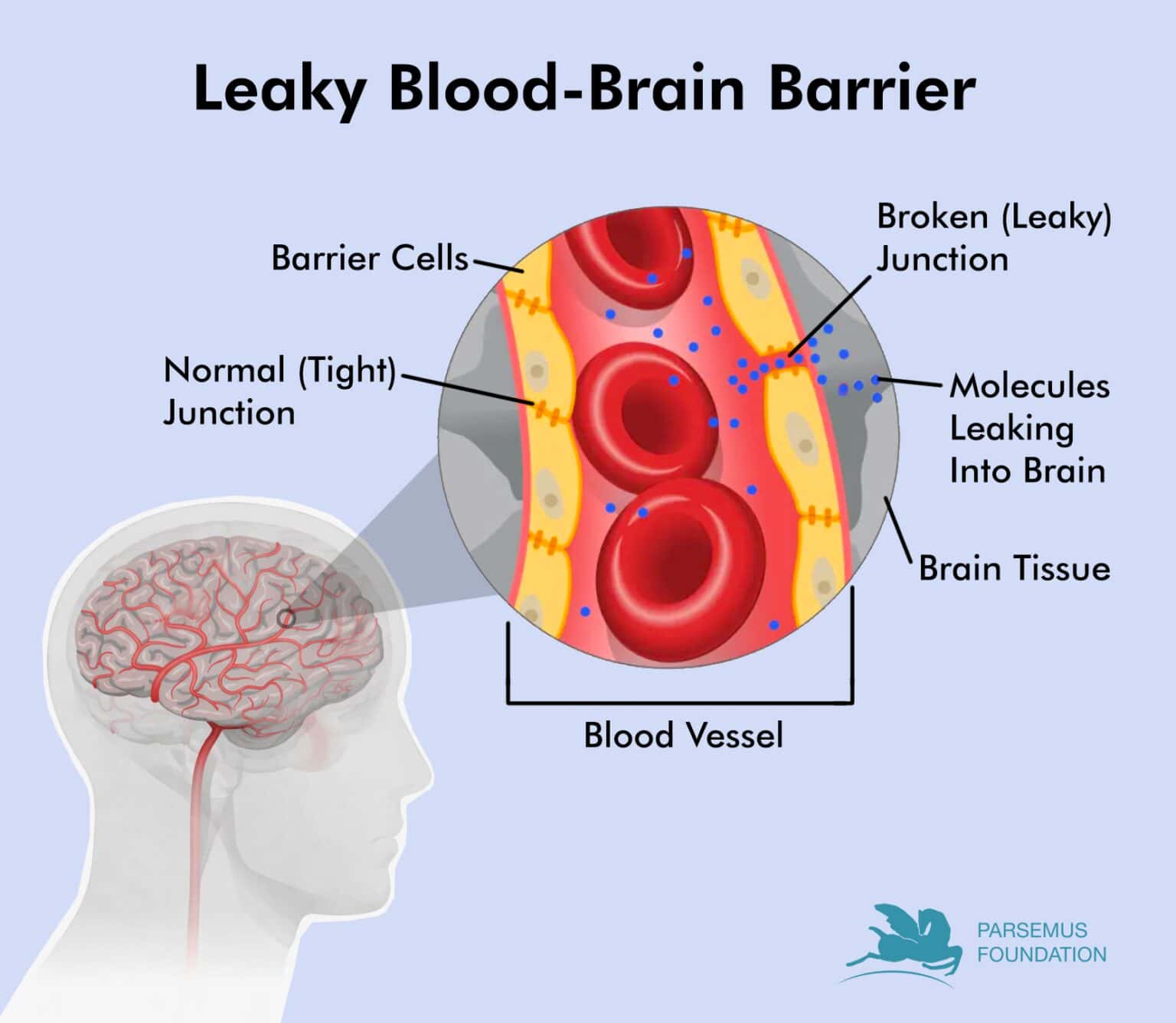
Researchers noted that injury to the BBB increases paracellular permeability. This allows ions, water, and small molecules to move through intercellular spaces, ultimately impairing the metabolic clearance routes essential for brain health. Among various sleep disorders, obstructive sleep apnea provided the strongest direct human evidence for this type of structural injury.
Clinical Implications and Future Research
The study suggests that a breakdown of the blood-brain barrier in the hippocampus—the brain’s memory center—could serve as an early indicator of cognitive dysfunction. This marker appears to be partly independent of classical amyloid-beta and tau pathology, which are traditionally associated with cell death in Alzheimer’s disease.
What may happen next remains a subject of ongoing inquiry. While the review highlights the potential for dynamic contrast-enhanced MRI as a candidate biomarker for monitoring these changes, researchers identified significant knowledge gaps. Specifically, there is currently a lack of validated biomarkers for sleep-related BBB injury and limited evidence regarding whether such damage can be reversed through the treatment of underlying sleep disorders.
Frequently Asked Questions
How does sleep disturbance damage the brain’s protective barrier?
According to the study, disturbed sleep causes oxidative stress, neuroinflammation, and gut microbiota dysbiosis, all of which can compromise the integrity of the blood-brain barrier.
Which sleep disorder shows the strongest link to this injury?
The review states that obstructive sleep apnea shows the strongest direct human evidence of injury to the blood-brain barrier.
Can this type of brain injury be reversed?
The researchers identified a limited amount of evidence regarding the reversibility of this injury following the treatment of underlying sleep disorders, marking this as a key area for future study.
How might your own sleep habits be influencing your long-term cognitive health?