
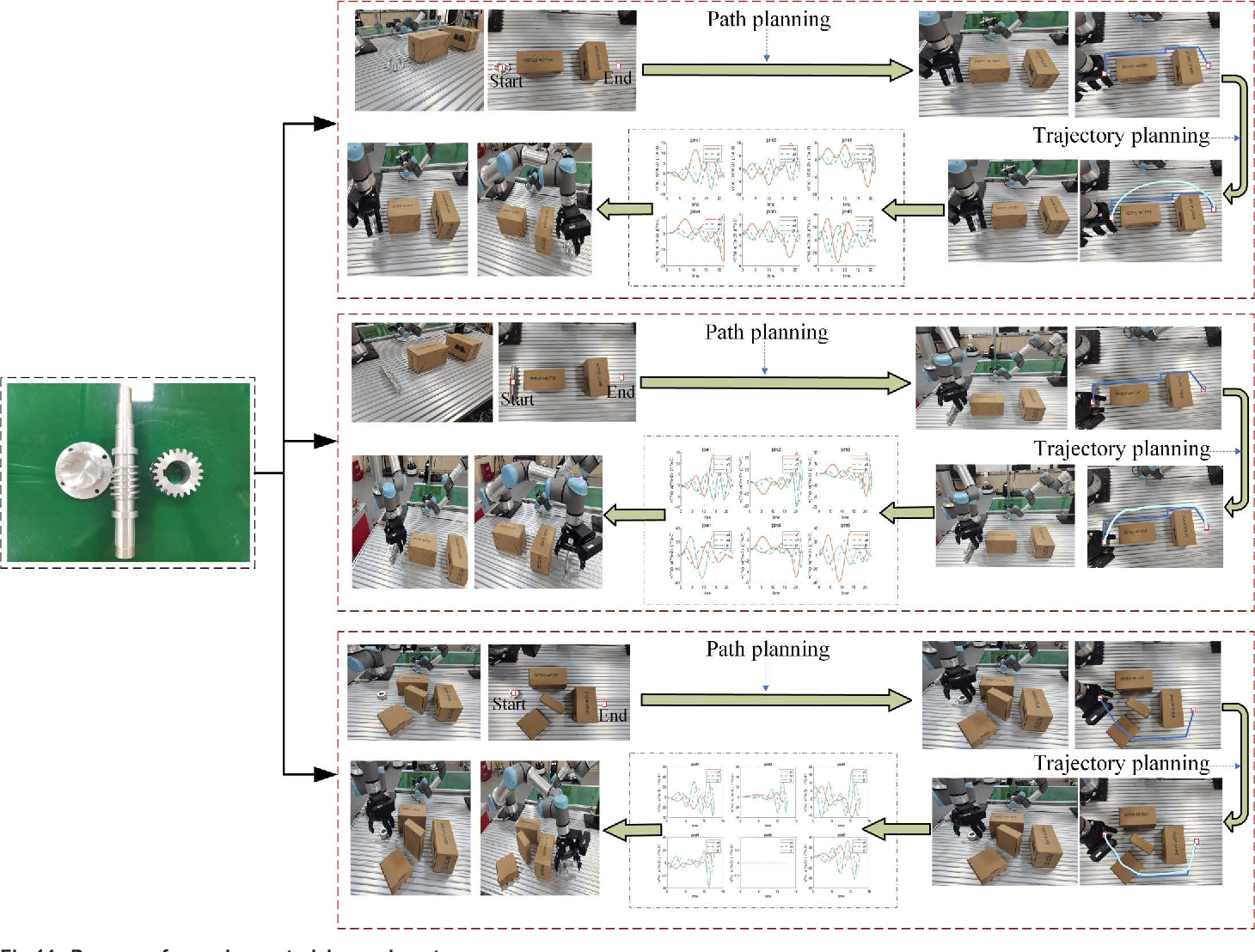
A novel hybrid intelligent optimization strategy for multi-objective trajectory planning of robotic arms in precision assembly scenarios
Robotic arm trajectory planning is evolving from simple automated movement to highly complex, multi-objective decision-making. By integrating advanced algorithms like the improved CEMOPSO (Chebyshev-enhanced Multi-Objective Particle Swarm Optimization), manufacturers can now achieve a 15.2% boost in assembly efficiency while simultaneously slashing energy consumption by 20.4%. This shift toward energy-aware, low-impact robotics is setting a new standard for precision manufacturing in sectors ranging from pyrotechnic grain assembly to micro-electronics.
Why Precision Trajectory Planning Drives Industrial ROI
At its core, trajectory planning defines how a robot moves from point A to point B. In high-stakes manufacturing, the traditional approach often prioritized speed at the cost of mechanical wear and high energy spikes. According to recent research on the CEMOPSO algorithm, current models are moving toward a “triple-constraint” strategy: maximizing throughput, minimizing energy, and reducing mechanical impact.
When a robotic arm moves, it generates vibrations that can compromise the tolerance levels of delicate parts. By using Chebyshev mapping to diversify the search space, engineers can now find the “sweet spot”—the path that completes the task fastest without the jerky, high-impact movements that degrade both the machine and the product. This isn’t just theory; in pyrotechnic grain assembly, reducing impact by 26.4% directly translates to fewer micro-fractures in sensitive materials and longer lifespans for expensive robotic hardware.
How Advanced Algorithms Outperform Manual Tuning
For decades, robotic pathing was manually programmed by engineers, a process that is both time-consuming and rarely optimal. Traditional multi-objective particle swarm optimization (MOPSO) provided a baseline, but often struggled with “getting stuck” in local optima—basically finding a “good enough” path that wasn’t the best one.
The CEMOPSO approach changes this by incorporating an evolutionary elimination mechanism. If a particle—a potential path—doesn’t meet the strict constraints of the assembly environment, the algorithm discards it and forces the system to look elsewhere. This creates a much more robust, intelligent self-correction loop. It is the difference between a robot that simply follows a line and one that “understands” the physical limits of its own energy and mechanical fatigue.
The Future of Smart Assembly Lines
Looking ahead, we are moving toward “self-optimizing” work cells. As these trajectory planning models become more lightweight, they will be embedded directly into the edge controllers of robotic arms rather than requiring heavy external servers. This allows robots to adjust their own paths in real-time based on environmental changes, such as a drop in temperature or a slight misalignment in a conveyor belt.
According to industry standards published by the International Federation of Robotics (IFR), the integration of AI-driven path planning is the primary driver for “lights-out” manufacturing. As energy costs continue to fluctuate, the 20.4% energy reduction seen in CEMOPSO-based testing will become a major financial incentive for factories looking to lower their carbon footprint while maintaining high output.
Frequently Asked Questions
What is the primary benefit of CEMOPSO over traditional MOPSO?
CEMOPSO improves initial population diversity and uses an infeasibility evaluation function to better handle constraints, leading to more efficient, energy-saving, and lower-impact robotic movements.
Can these algorithms be applied to existing robotic systems?
Yes, these software-based optimization layers can be integrated into existing industrial controllers, provided they support standard motion planning APIs.
Does increasing efficiency negatively impact product quality?
Quite the opposite. By minimizing mechanical impact, these algorithms actually improve precision, reducing the likelihood of defects caused by high-vibration movements.
Are you currently integrating AI-driven trajectory planning into your production line, or are you still relying on traditional programming methods? Share your experiences in the comments below or subscribe to our industry insights newsletter for the latest updates on manufacturing automation.