
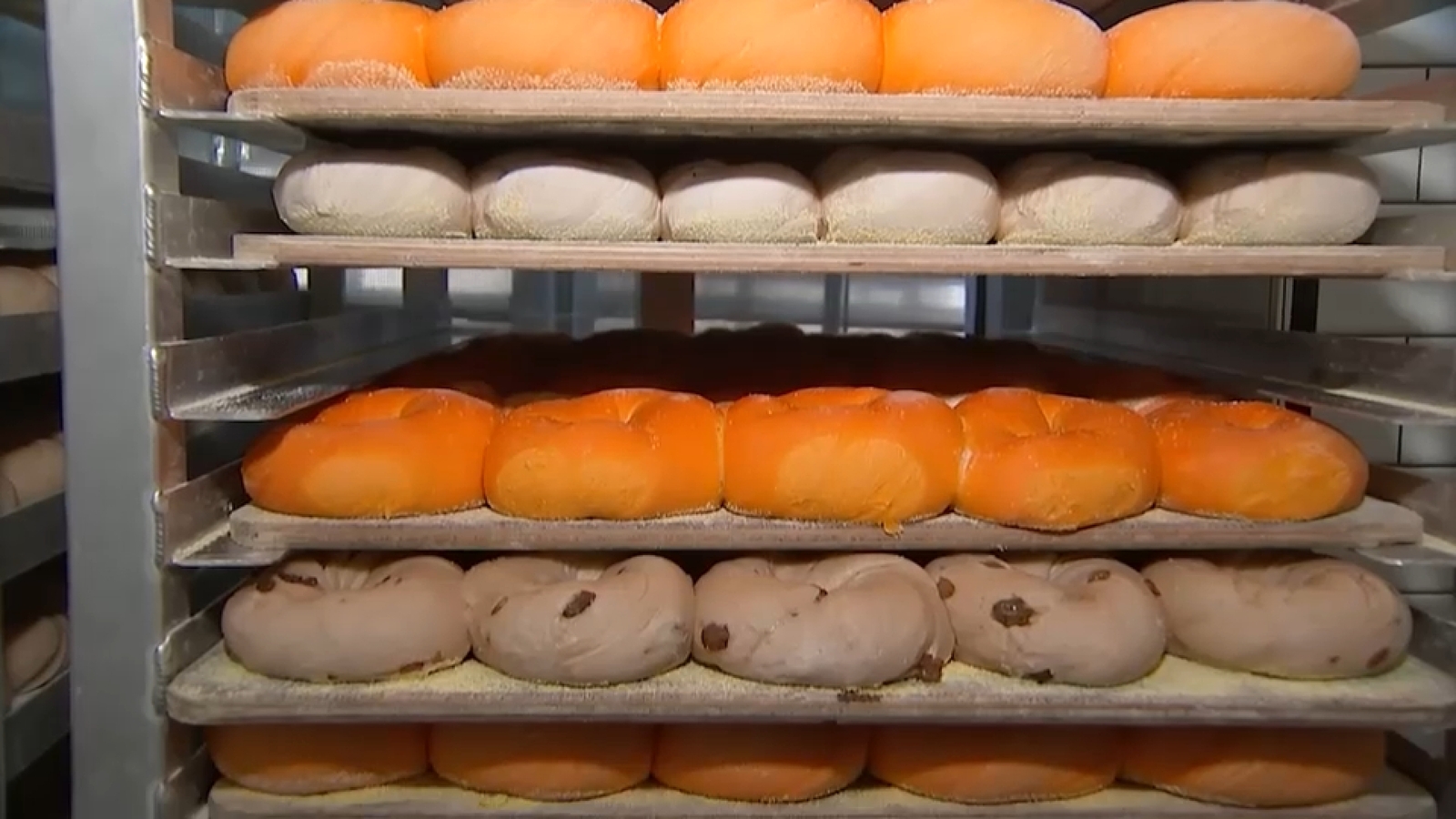
A proposed additive ban could change New York’s pizza and bagels, some say for the better
New York’s culinary landscape faces a potential transformation as state lawmakers move to ban potassium bromate, a common flour additive used in many of the city’s pizzerias and bagel shops. The proposed legislation, which currently awaits the signature of Gov. Kathy Hochul, has sparked a debate over health, tradition, and the future of iconic New York staples.
For Salvatore Lo Duca, who operates a Brooklyn pizzeria with his five brothers, the legislative shift prompted a personal experiment. After learning that the bromated flour used in his family’s thin-crust pies contained a suspected carcinogen, he began testing alternative ingredients. While he noted that the new flour is more expensive, he found that the quality remains high.
The Role of Potassium Bromate
Potassium bromate is an oxidizing agent often utilized to reduce dough rest time and ensure a stronger, chewier product. Scott Wiener, a pizza historian, estimates that approximately 80% of pizza and bagel shops in the city rely on flour containing this additive. Many of these businesses have used a specific General Mills product, All Trumps, since the city’s early grab-and-go pizza parlors opened nearly a century ago.
The additive has faced scrutiny for decades. According to Erik Millstone, a professor of science policy at the University of Sussex, studies dating back to the 1980s have indicated that potassium bromate can cause cancer in laboratory animals, even in moderate doses. The chemical is already prohibited in the European Union, China, India, Canada, and, as of next year, California.
Industry Concerns and Potential Shifts
The potential ban has divided business owners. Jesse Spellman, second-generation owner of Utopia Bagels, noted that achieving the traditional New York bagel texture without the chemical shortcut will require more work and higher costs. He is currently experimenting with yeast concentrations and rise times to adapt his family’s recipe.
Conversely, some observers believe the transition could lead to a better product. Wiener suggests that moving away from the fast turnaround times enabled by bromated flour could encourage more well-fermented doughs. He believes this could result in lighter pizzas that are easier to digest, noting that “everything will be built back better.”
If the bill is signed into law, businesses will be granted a one-year grace period to continue using the additive, followed by additional time to exhaust existing supplies. A spokesperson for the governor confirmed that the bill is currently under review.
Frequently Asked Questions
Why is potassium bromate being targeted for a ban?
The additive is a suspected carcinogen that has been linked to cancer in laboratory animals in studies dating back to the 1980s. It is already banned in several countries and in California.
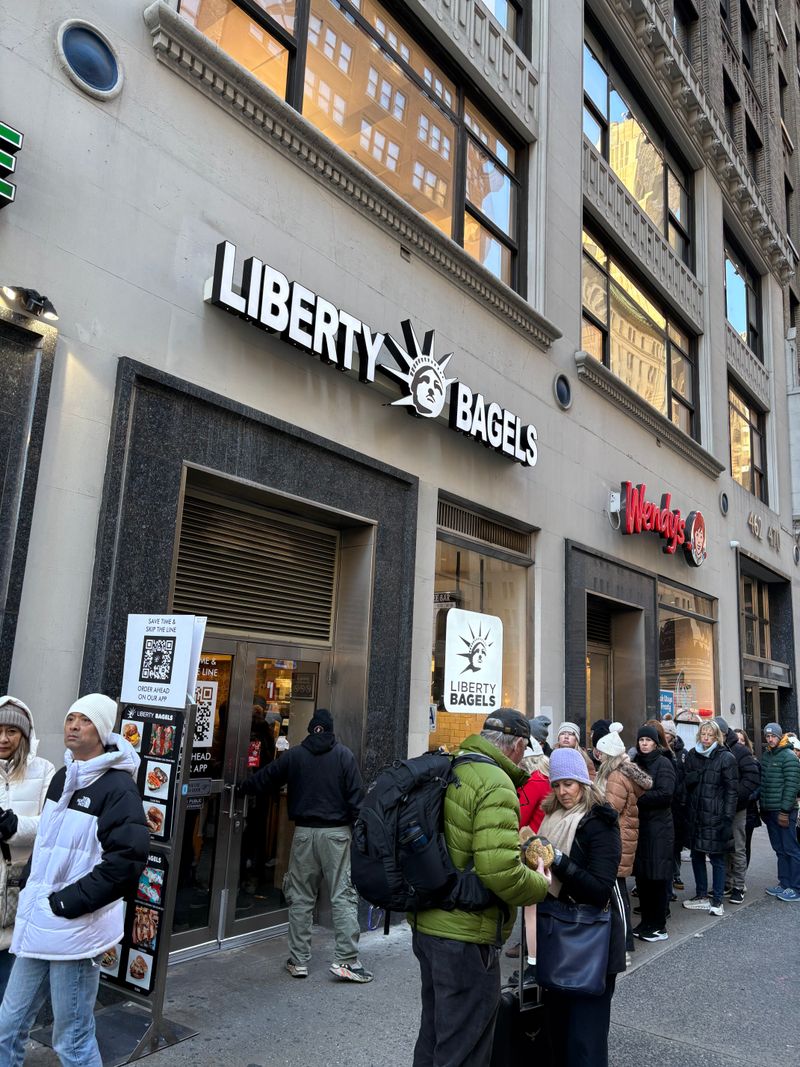
How will the ban affect local pizza and bagel shops?
Many businesses may need to adjust their dough recipes, which could involve longer fermentation times and higher production costs. Some owners are already testing alternative, unbromated flours.
What is the timeline for businesses to comply?
If the legislation is enacted, businesses will have a one-year grace period to use the additive, with additional time allowed to work through existing inventory.
How do you think a change in traditional baking ingredients might influence your preference for local pizza and bagels?